Deciding to undergo breast augmentation can be both exciting and overwhelming. Many people struggle with doubts about achievable results, conflicting advice on saline versus silicone implants, and concerns over hidden costs. You deserve clarity, not sales pressure. This guide breaks down what breast augmentation truly involves, explaining how the procedure works, potential safety risks, and a transparent cost overview so you can plan your journey with confidence and peace of mind.
1. What Is Breast Augmentation?
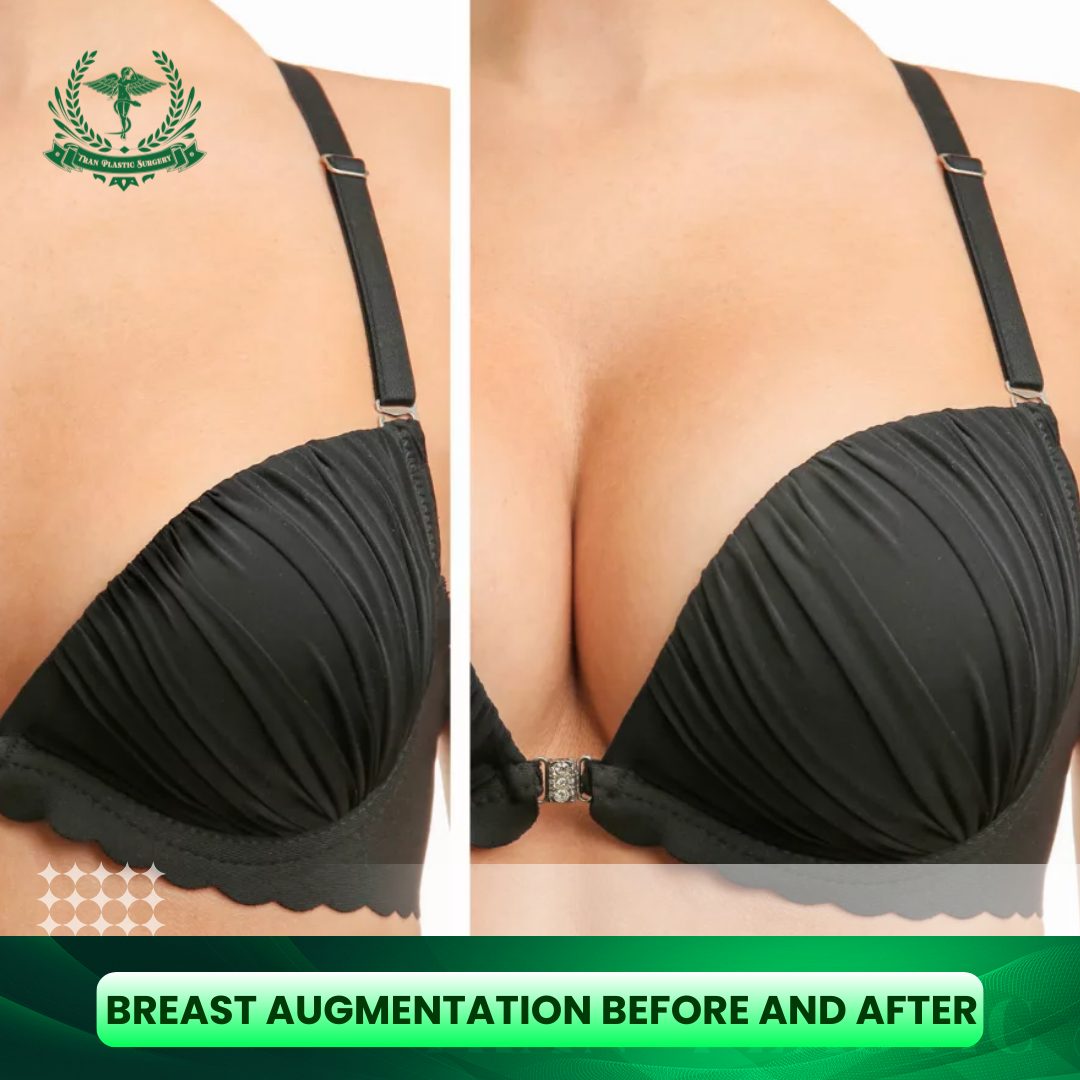
Breast augmentation, also known as augmentation mammoplasty, is a surgical procedure designed to enhance the size and shape of the breasts. This surgery involves placing breast implants or transferring fat to increase fullness and projection. While many women choose this procedure to enlarge naturally small breasts, it is also widely used to restore volume lost after weight reduction or pregnancy and to achieve a more rounded breast shape.
Beyond simply increasing cup size, this surgery plays a significant role in correcting asymmetry where one breast is noticeably smaller than the other. The ultimate goal is to create a proportionate profile that aligns with your natural body frame and aesthetic desires.
*Read more:
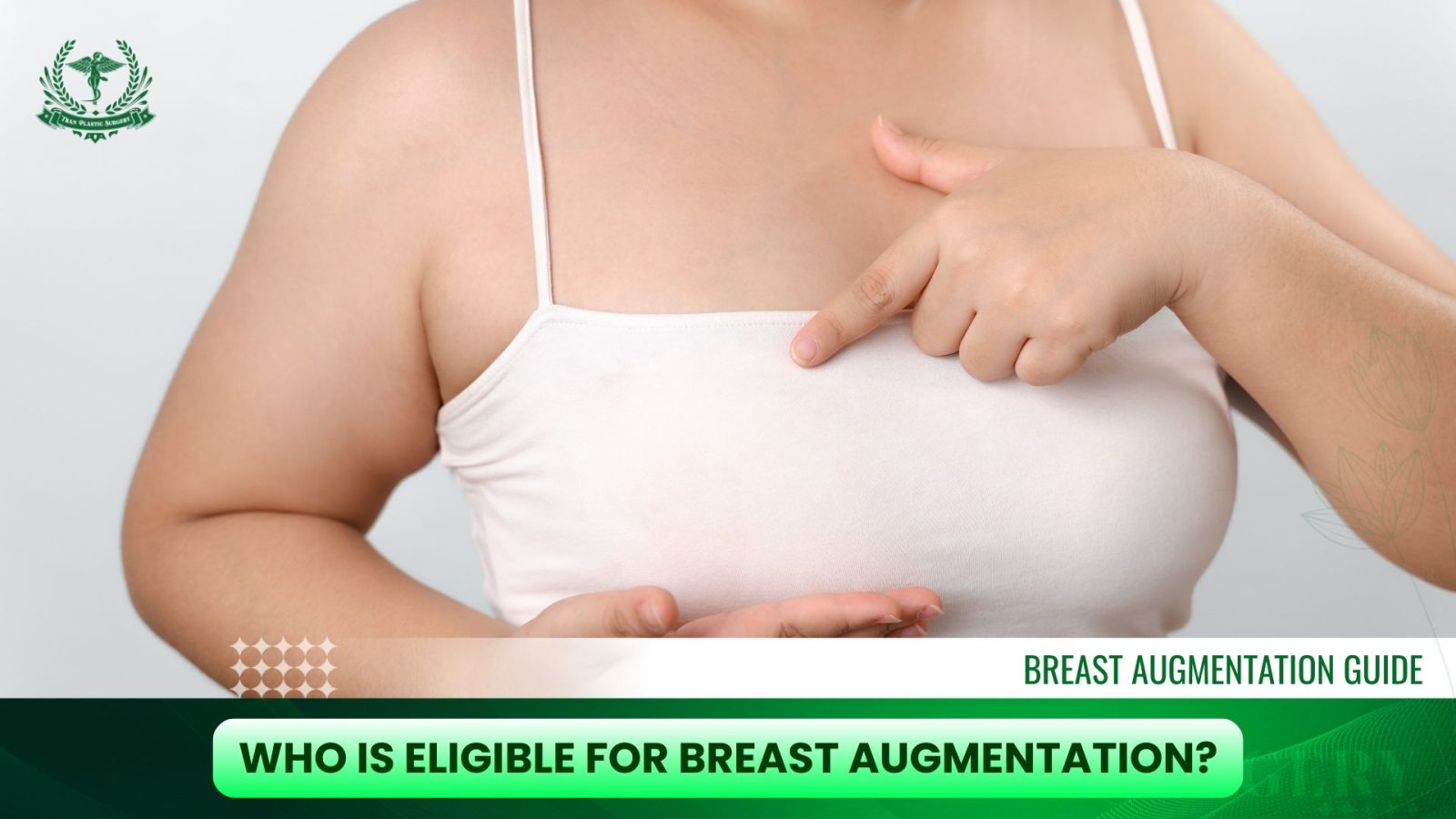
2. Who Is Eligible for Breast Augmentation?
Determining whether you are a suitable candidate for breast augmentation surgery is not simply about wanting a change, but also based on several other objective factors. Below are the ideal candidates:
- Women seeking to increase breast size
- Women with naturally small breasts
- Women experiencing breast volume loss after pregnancy or breastfeeding
- Women with breast changes due to significant weight loss
- Women with breast asymmetry
- Women wanting fuller, more proportionate breasts
- Women with age-related breast volume loss
- Women looking to restore breast shape and firmness
- Women are dissatisfied with the appearance of their breasts
- Women seeking improved body balance and confidence
*Requirements:
- You should be in good overall health, not smoke (or plan to quit smoking a few weeks before surgery), and have realistic expectations about what the surgery can achieve.
- Your lifestyle should also be considered. If you are planning significant weight loss or pregnancy in the near future, your doctor may advise you to wait, as these events can alter breast shape and skin elasticity, potentially affecting your long-term results.
2.1. The Best Age to Get Boob Implants
One of the most frequent questions we receive is about timing. While there is no single perfect age, there are strict FDA guidelines and medical recommendations regarding the best age to get breast implants to ensure safety and longevity.
- Saline Implants: FDA-approved for women 18 years and older.
- Silicone Gel Implants: FDA-approved for women 22 years and older.
Why the difference? Silicone implants require a higher level of long-term monitoring (such as periodic MRIs to check for silent rupture), which requires more maturity to manage. Furthermore, waiting until your early 20s ensures that your natural breast development is complete. Operating on tissue that is still growing can lead to future asymmetry or the need for revision surgery.
2.2. MTF Breast Augmentation
At Tran Plastic Surgery, we believe gender-affirming care is a vital part of plastic surgery. MTF breast augmentation differs significantly from standard augmentation because of unique anatomical factors.
Patients assigned male at birth typically have a wider chest wall, thicker pectoral muscles, and less natural breast tissue coverage. Simply placing a standard implant can often result in a bolted-on or unnatural wide gap appearance. To achieve a soft, feminine silhouette, we often recommend:
- Hormone Therapy: Many surgeons recommend being on hormones for at least 12 months before surgery to maximize natural tissue growth.
- Implant Selection: Choosing wider, lower-profile implants that fit the broader chest frame.
- Placement: Placing the implant submuscularly (under the muscle) is often critical to provide adequate coverage and a natural slope, especially when natural breast tissue is minimal.
See your future look with Crisalix 3D Technology. This advanced system allows us to scan your body and generate a realistic 3D preview of your potential results during your consultation. Can you virtually try on different shapes and sizes to ensure you and Dr. Tran share the same aesthetic vision before surgery?
3. Types of Breast Implants
Choosing the right implant material is perhaps the most technical decision you will make during this process. There is no universally best implant; the right choice depends entirely on your body type, your existing breast tissue, and the specific look you want to achieve.
3.1. Saline Implants
Saline implants consist of a silicone outer shell filled with sterile salt water. These are inserted empty and then filled once they are in place. This unique mechanism allows for a much smaller incision since the implant can be rolled up like a cigar before insertion.
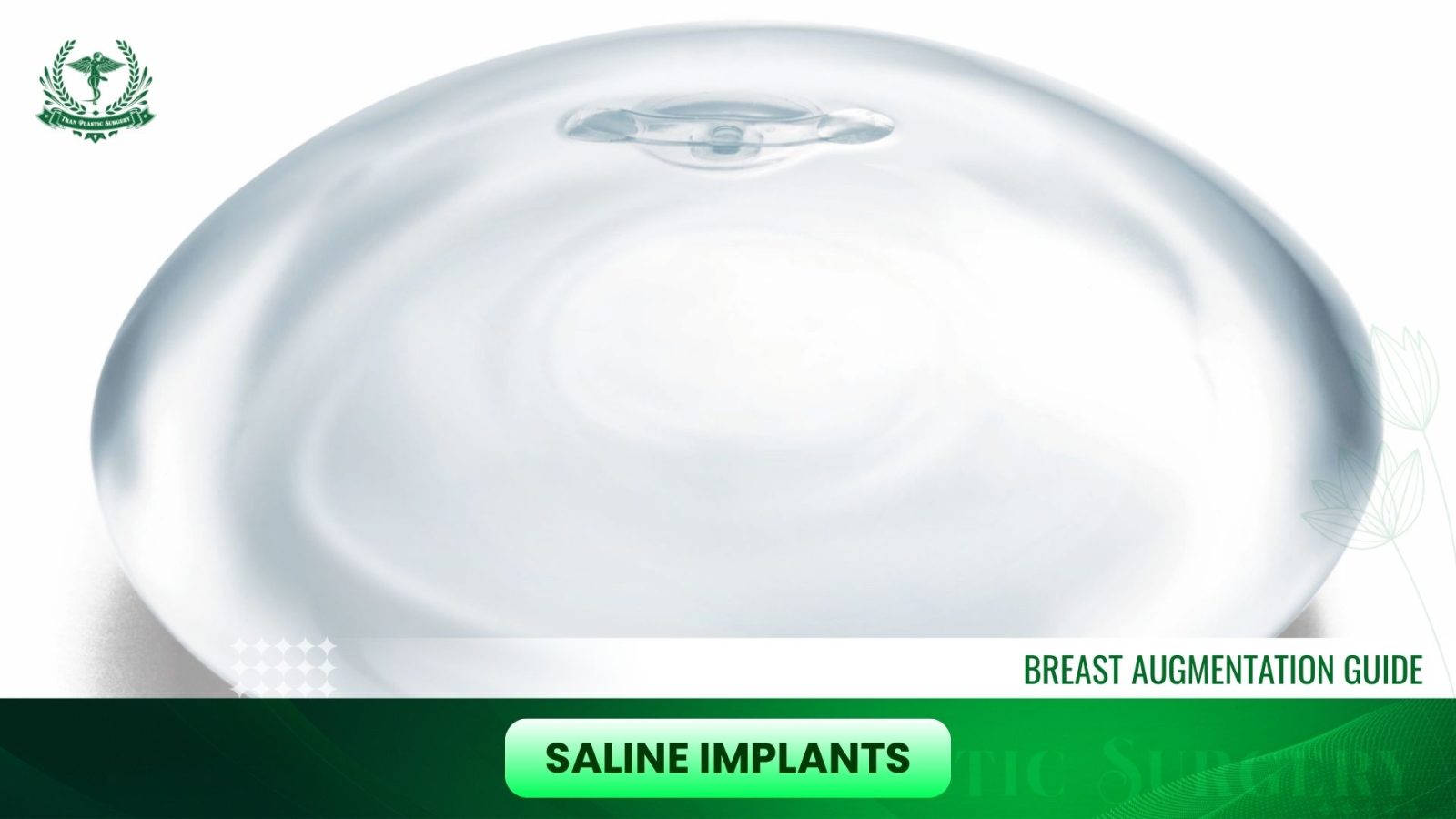
Many patients appreciate that in the rare event of a rupture, the saline is harmlessly absorbed by the body, making a leak immediately noticeable as the breast deflates. However, because water flows freely inside the shell, some women find they feel less like natural tissue and may show visible rippling if they have very thin skin.
3.2. Silicone Gel Implants
Silicone implants are pre-filled with a cohesive silicone gel that closely mimics the feel of natural body fat. This makes them the most popular choice for women seeking the most realistic look and touch.
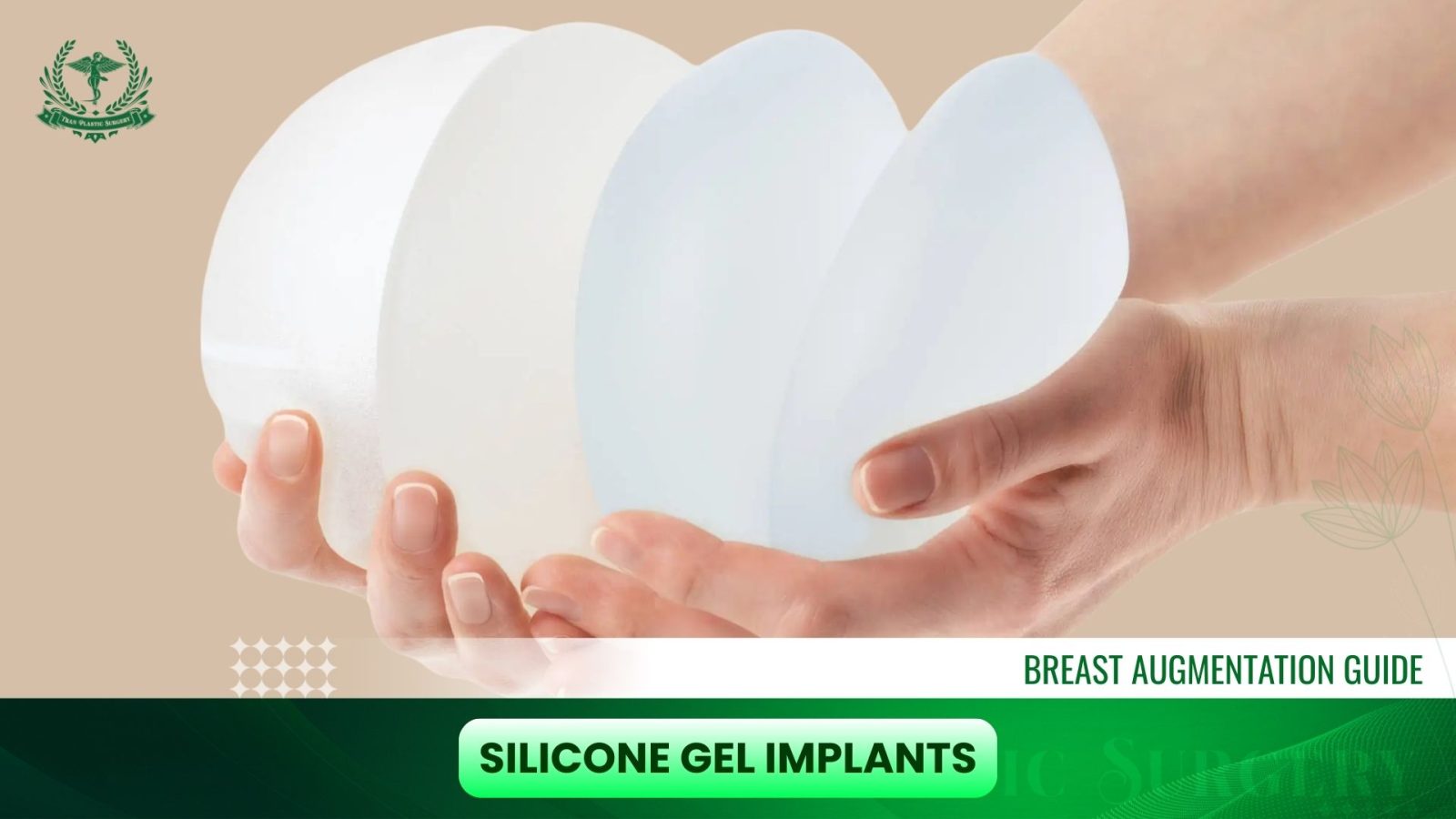
Because the gel is thick, these implants are less likely to ripple than saline. The trade-off is that if a silicone implant ruptures, the gel usually stays within the shell or the scar tissue pocket (a silent rupture), meaning you may not notice it immediately without an MRI or ultrasound.
3.3. Gummy Bear Implants
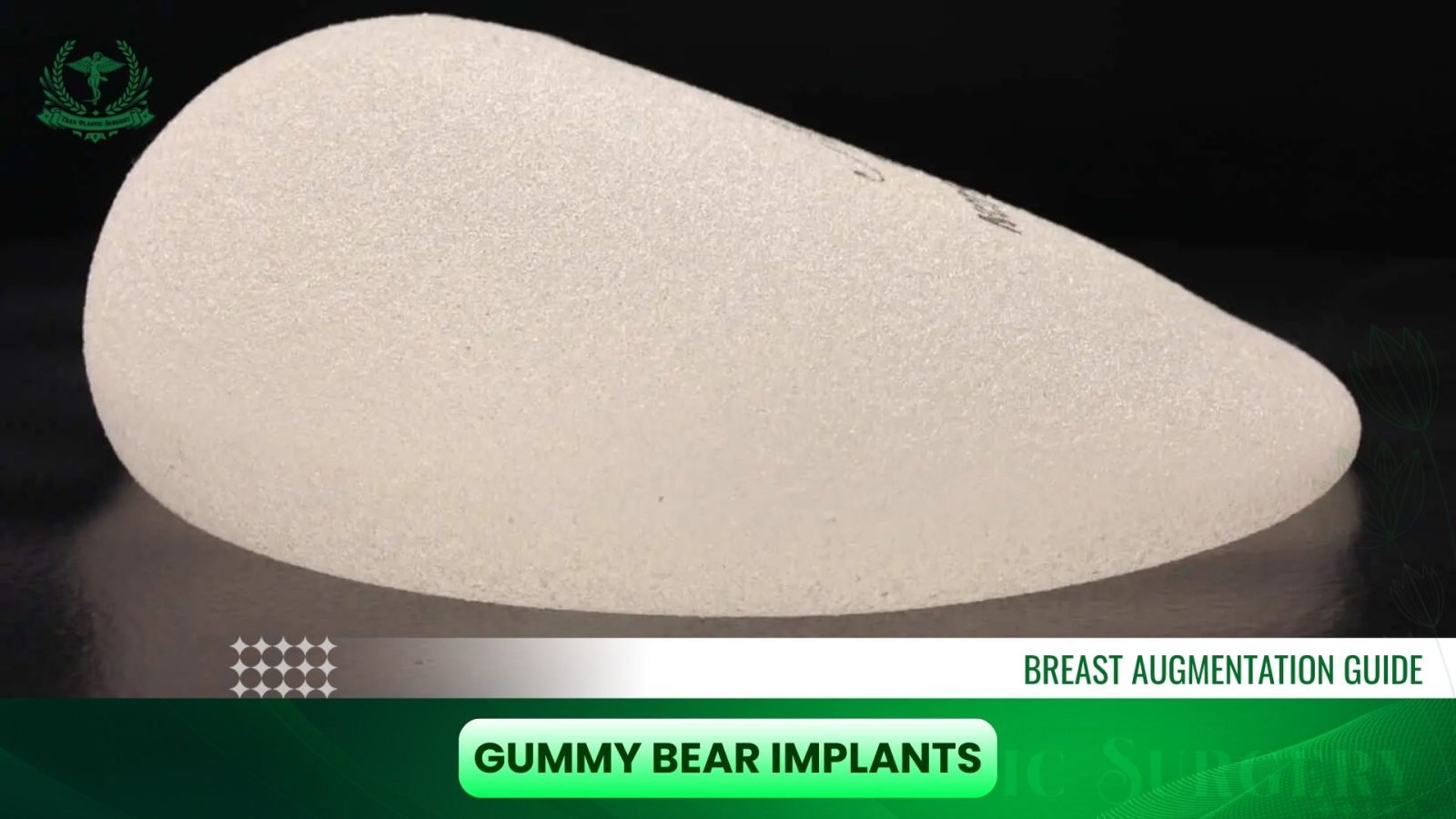
Often referred to as gummy bear implants, these are a specific type of highly cohesive silicone implant. The gel inside is thicker and firmer, maintaining its shape even if the shell is cut in half.
These are excellent for women who need more shape reliability, such as those correcting significant asymmetry or looking for a very specific projection. Because they are firmer, they require a slightly longer incision and feel somewhat less soft than traditional silicone.
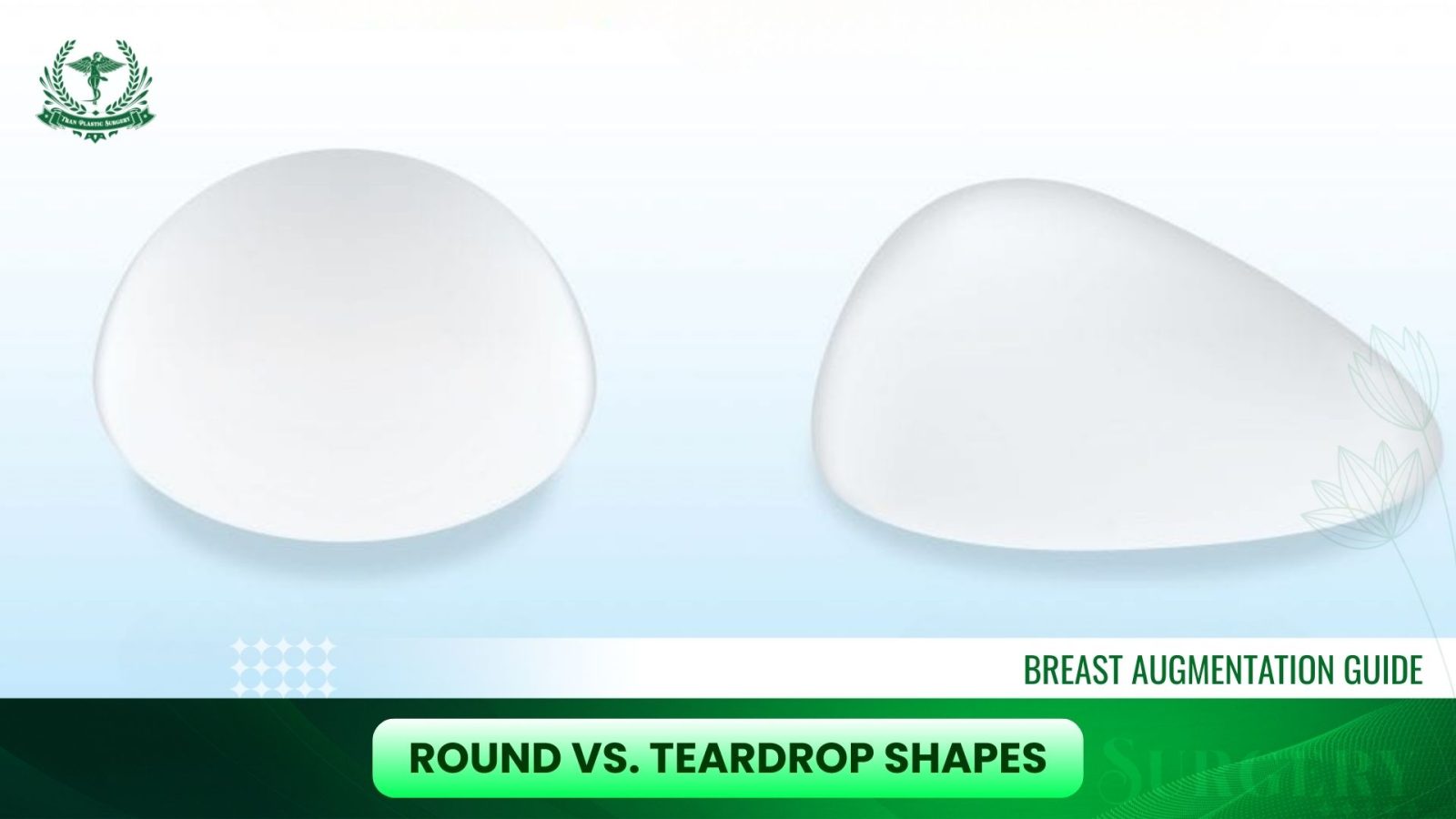
3.4. Round vs. Teardrop Shapes
Beyond the material, the shape of the implant dictates your final silhouette.
- Round implants are the most common. They provide fullness in the upper part of the breast and can create a lifted, perky appearance. Because they are symmetrical, there is no risk of the implant rotating out of place.
- Teardrop implants are designed to mimic the natural slope of a breast, with less fullness at the top and more at the bottom. While they offer a subtle, natural profile, they require a textured surface to prevent them from rotating inside the breast pocket, which creates different considerations for long-term safety.
>>> Read more: Silicone vs Saline Breast Implants – Which Is Right for You?
4. How Breast Augmentation Surgery Works?
Understanding the surgical steps can significantly reduce anxiety on the day of your procedure. Breast augmentation is typically performed as an outpatient surgery, meaning you will go home the same day. The entire operation usually takes between one and two hours to complete.
Step #1: Anesthesia and Preparation
Your comfort and safety are the top priorities. Medications are administered before the surgery begins to ensure you are completely relaxed and feel no pain. Most surgeons perform breast augmentation under general anesthesia, where you are asleep for the entire duration. In some specific cases, intravenous sedation combined with local anesthesia may be an option, which you will discuss during your pre-operative visit.
Step #2: Creating the Incision
The surgeon makes an incision in a discreet area to minimize visible scarring. The location of this incision depends on the type of implant you chose, your anatomy, and your surgeon’s preference.
- Inframammary Incision: This is the most common technique. The cut is made in the crease under your breast (the inframammary fold). This approach provides the surgeon with the most direct access for precise placement, and the scar is easily hidden by the natural fold of the breast or a bikini top.
- Periareolar Incision: Here, the incision is made along the lower edge of the areola. This option is often chosen for its ability to hide the scar within the natural transition of skin pigment, though it may slightly increase the risk of nipple sensation changes.
- Transaxillary Incision: The incision is made in the armpit. This creates a breast with no visible scars on the breast itself. However, because the entry point is further away, it can be technically more challenging to position the implant perfectly without specialized endoscopic cameras.
Step #3: Placing the Implant
Once the incision is made, the surgeon creates a pocket in the breast tissue to hold the implant. There are two main placement options, each affecting the final look and recovery.
Placing the implant under the pectoral muscle (submuscular) is generally preferred for patients with thin natural breast tissue. This extra layer of muscle coverage helps soften the edges of the implant, creating a more natural transition and reducing the risk of visible rippling.
Alternatively, the implant can be placed over the muscle but under the breast tissue (subglandular). This serves well for women who already have enough natural breast tissue to hide the implant edges. The recovery for this placement is often faster and less painful since the muscle is not cut or stretched.
Step #4: Closing the Incisions
After the implant is perfectly positioned and symmetry is checked, the surgeon closes the incisions. This is typically done with layered sutures in the breast tissue and skin adhesives or surgical tape on the surface to support healing.
5. Risks and Safety Information of Breast Augmentation
Breast augmentation is one of the most successful procedures in plastic surgery, but like any operation, it carries risks. Being informed is the best way to ensure your safety.
- Capsular Contracture: The body naturally forms a capsule of scar tissue around any implant. In some cases, this scar tissue tightens and squeezes the implant, causing the breast to feel hard or look distorted. This is the most common reason for revision surgery.
- Implant Rupture or Leakage:
- Saline: If the shell breaks, the water leaks out and the breast deflates quickly (noticeable immediately).
- Silicone: If the shell breaks, the gel usually stays within the scar pocket. This is called a silent rupture and is detected via MRI or ultrasound.
- Changes in Sensation: Nipple or breast sensation may increase, decrease, or go numb temporarily. Permanent loss of sensation is rare but possible.
- BIA-ALCL: This is a very rare type of lymphoma (cancer of the immune system, not breast cancer) associated with textured breast implants. Because of this, many surgeons now prefer smooth implants for safety.
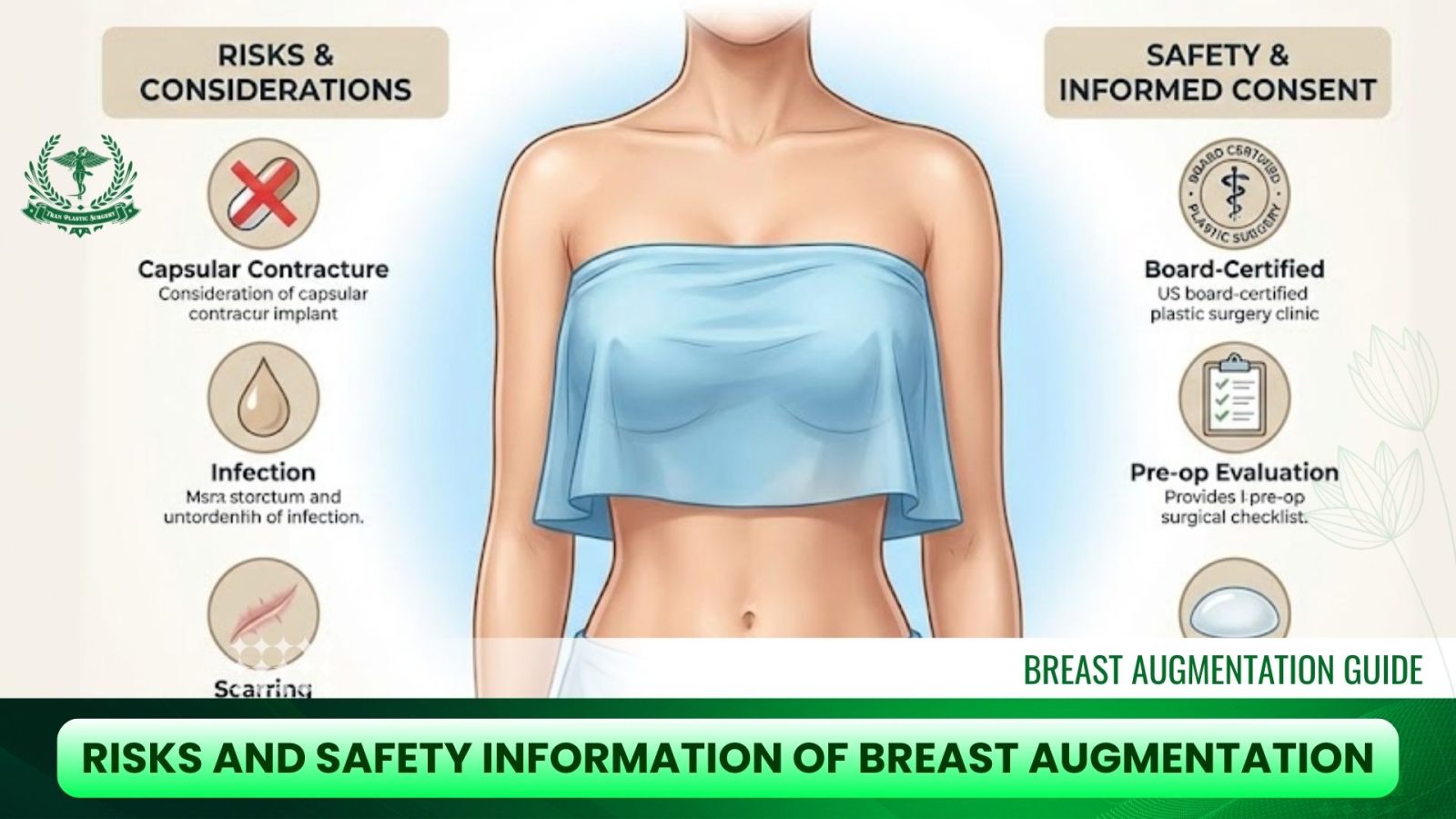
The single most effective way to reduce these risks is to choose a Board-Certified Plastic Surgeon. They follow strict sterile techniques to prevent infection (a leading cause of contracture) and use only FDA-approved devices.
Concerned about safety? Schedule a consultation with Dr. Tuan Tran today to discuss your specific health profile and how we ensure a safe, worry-free breast procedure with breast augmentation service in Huntington Beach, CA
6. Breast Augmentation Cost & Price Transparency
One of the biggest frustrations for patients is finding a clear answer to the question: How much does breast augmentation cost? Many clinics advertise a low starting at price that only covers the surgeon’s fee, leaving you shocked by thousands of dollars in added facility and anesthesia charges later.
6.1. The Typical Price Range
While every patient is unique, the total cost for breast augmentation typically ranges between $6,000 and $10,000.
- Saline implants are generally the most affordable option.
- Silicone and Gummy Bear implants typically cost $1,000 to $1,500 more due to the higher cost of the device itself.
- Revisions or Lifts: If you require a breast lift alongside your augmentation, this increases the surgical time and complexity, adjusting the price accordingly.
6.2. Financing Your Procedure
You do not have to pay the full amount upfront to achieve your goals. Most patients utilize financing options like CareCredit or Alphaeon Credit, which function like a medical credit card. These plans often allow you to break the total cost into manageable monthly payments, sometimes with 0% interest for the first 6–12 months.
Get an exact quote, don’t guess. CONTACT TRAN PLASTIC SURGERY today for a personalized consultation and a guaranteed, all-inclusive price quote with zero hidden fees.
7. Why Choose Tran Plastic Surgery for Breast Augmentation?
Choosing a surgeon is about more than just comparing prices; it is about finding a partner who understands your aesthetic vision. Dr. Tuan Tran has built a reputation on honesty, precision, and a commitment to natural-looking results.
- Board-Certified Safety: We never cut corners. Dr. Tuan Tran utilizes hospital-grade safety protocols and advanced surgical techniques to minimize recovery time and risk.
- No Hidden Fees: As emphasized throughout this guide, we provide upfront, all-inclusive pricing so you can focus on your excitement, not your wallet.
- Personalized Natural Results: We specialize in enhancing your body, not overpowering it. Whether you are a cisgender woman looking to restore volume or a transgender woman seeking a feminine silhouette, Dr. Tran tailors the surgical plan to match your unique anatomy.
8. Ready to Transform Your Confidence?
Now you have the roadmap, pricing information, and safety regulations for breast augmentation surgery. The only thing left is to take the first step toward the body you’ve always wanted. Don’t let the outcome depend on luck. Schedule a consultation with your doctor today to receive a personalized surgical plan and a clear, transparent quote. If you’re in Orange County, let Tran Plastic Surgery help you look and feel like the best version of yourself.