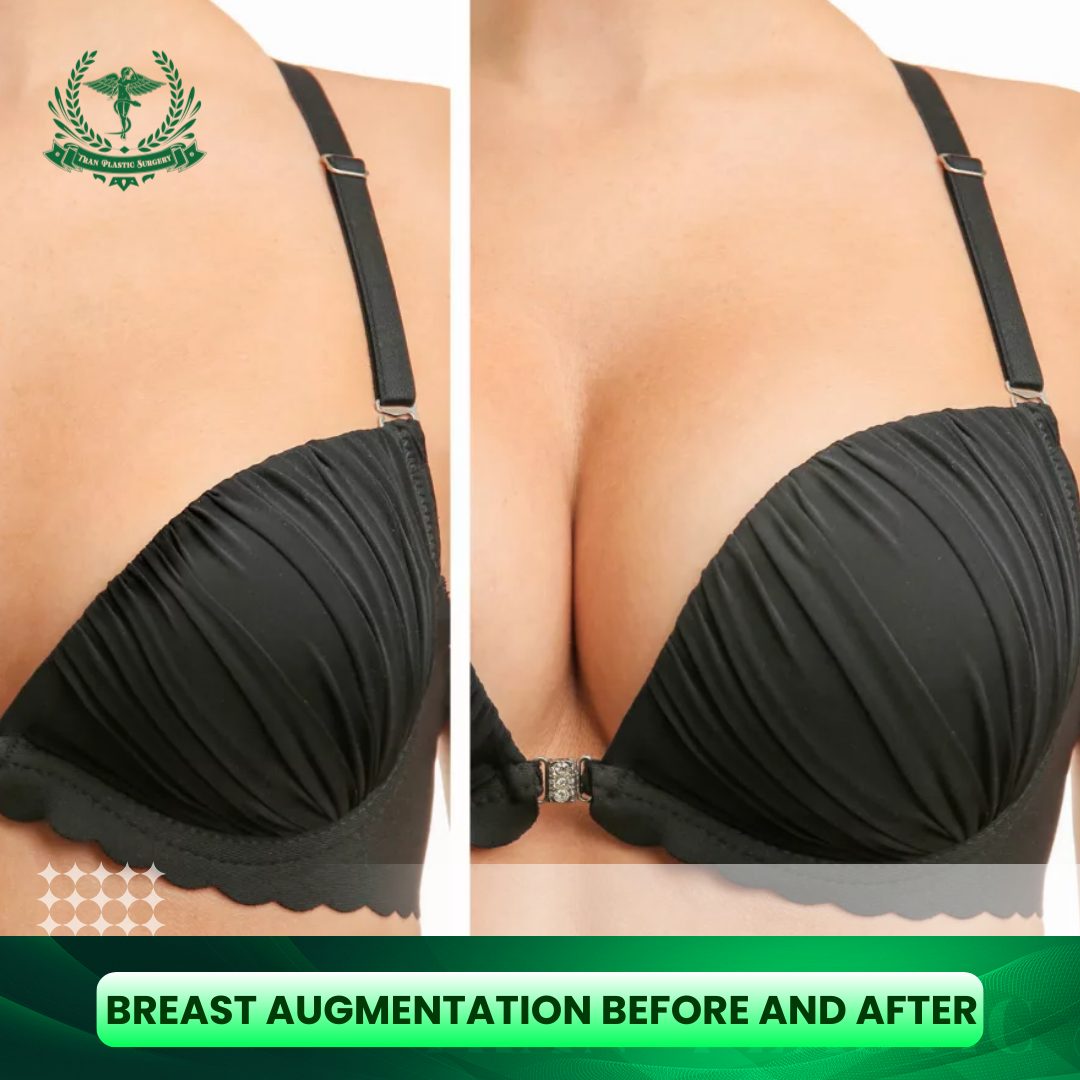
Your choice of breast augmentation sizes is the single most permanent decision you will make about your body, yet it is where most women make their biggest mistake. Will you wake up from surgery instantly regretting that you didn’t go bigger, or worse, panic that a 400cc implant looks unnaturally large on your specific frame? This guide uncovers the critical truth about why cup sizes are lying to you, why at-home visualization methods fail, and the exact medical science from 300cc to 600cc, you must understand to avoid costly revision surgery and guarantee your perfect, natural-looking silhouette.
Table of Contents
Toggle1. Understanding Breast Augmentation Sizes Explained
Before looking at photos or charts, it is critical to understand how implants are measured. Unlike bras, which use cup sizes, breast implants are measured in cubic centimeters or CCs.
1.1. What are breast implant CCs?
Cubic centimeters (CCs) are the standard unit of measurement for the volume of breast augmentation sizes. This number represents how much saline or silicone gel is inside the shell. A higher CC number indicates a larger volume and generally a heavier implant.
Many patients arrive with a specific goal cup size in mind, such as a full C or a D cup. However, relying solely on cup size can be misleading. A C-cup looks significantly different on a woman with a petite, narrow frame compared to a woman with a taller, broader athletic build. This is why surgeons focus on volume (CCs) and dimensions rather than bra letters.
1.2. The Volume vs. Cup Size Confusion
A helpful way to visualize this is to think of the implant as a scoop of volume added to your existing breast tissue. Because every bra manufacturer creates their sizing differently, a Victoria’s Secret D-cup might fit like a Calvin Klein C-cup. This inconsistency makes cup size a poor metric for surgery.
Instead, we use a general rule of thumb to help you estimate the change. In most cases, adding 150cc to 200cc of volume is roughly equivalent to increasing your cup size by one letter. For example, if you are currently an A cup and choose a 300cc breast augmentation, you can generally expect to land somewhere in the C cup range, depending on your chest width and natural tissue.
Understanding this conversion is just the starting point. The true secret to a natural result lies in matching the implant width to your unique anatomy, which we will explore in detail below.
>>> Related article: Breast Implant Types and Profiles: Which Is The Best Choice?
2. Exploring Popular Breast Implant Sizes
Finding your ideal look often starts by seeing how different volumes translate to real-world aesthetics. While numbers provide a baseline, the final look depends heavily on your natural tissue and chest wall. Here is a breakdown of the most common ranges we discuss at Tran Plastic Surgery.
2.1. The 300cc Range for Subtle Enhancement
Patients interested in 300cc breast augmentation are often seeking a proportionate, athletic, or perky appearance. This volume is frequently requested by women with petite frames or those looking to restore volume lost after breastfeeding without drastically changing their silhouette.
Who is this best for? If you are naturally an A or small B cup and want to fill out a bikini or evening dress while maintaining a look that leaves people guessing if you had surgery, the 300cc to 350cc range is often the best breast augmentation sizes for petite frame types. It provides enough fullness to create a feminine curve but rarely looks heavy or overdone.
2.2. The 400cc Range for Visible Curves
Moving up the scale, breast augmentation 400cc to 450cc represents one of the most popular Goldilocks zones. This size is substantial enough to create a visible cleavage and a distinct hourglass figure, but is still versatile enough for everyday wear.
Many patients worry about the difference between specific numbers, such as 375cc versus 400cc. Visually, a 25cc difference is almost undetectable to the human eye, roughly the volume of a few tablespoons of liquid. The choice between a breast augmentation 450cc and a 400cc implant often comes down to your shoulder width. A broader chest can easily accommodate 450cc and look sporty, while the same size on a very narrow chest might look significantly more glamorous or fake.
2.3. The 500cc to 600cc Range for a Voluptuous Look
When we enter the territory of 600cc breast augmentation or high 500s, the goal is typically a bold, voluptuous aesthetic. This range is ideal for patients with taller statures or wider hips who need more volume to achieve balance.
It is important to note that breast augmentation 550cc and above requires a strong foundation. For a natural look at this size, you generally need a moderate amount of existing breast tissue to cover the implant edges. If you are very thin with little natural tissue, implants in this range will likely have a more defined, round appearance, often associated with the high-profile look.
2.4. Large Volume Implants Above 700cc
Requests for 700cc breast augmentation are less common and require a detailed consultation regarding long-term maintenance. Large implants carry more weight, which can stretch the skin over time. Dr. Tran assesses your skin elasticity carefully to ensure your body can support this volume without premature sagging. For patients desiring this specific high-glamour look, choosing the right implant profile is essential to keep the projection consistent with your body goals.
3. Which is Larger in Size D or B or C?
Sometimes it helps to step back to basics. If you are confused by the alphabetical hierarchy, the order of size from smallest to largest is A, B, C, D, DD (or E), and F.
However, in the world of plastic surgery, we encourage you to detach from these letters. A D cup result from a breast augmentation size guide for beginners might look like a C cup in a sports bra. Focusing on how the implant looks on your body, specifically the upper pole fullness and cleavage, is a far more accurate way to achieve satisfaction than chasing a specific letter on a bra tag.
4. Breast Augmentation Sizes Chart
While we emphasize that everybody is unique, patients often find it helpful to see a general baseline. This chart provides an average breast implant size cc estimation to help you orient yourself before your consultation.
| Implant Volume (CC) | Approximate Cup Increase | Ideal Candidate Description |
| 200cc – 300cc | Increase of 1 – 1.5 Cups | Petite & Natural: Ideal for women with narrow frames wanting a subtle lift or restoration of lost volume. |
| 350cc – 400cc | Increase of 2 – 2.5 Cups | The Average Favorite: Provides a noticeable, sporty-chic enhancement. This is often considered the most common range. |
| 450cc – 500cc | Increase of 3+ Cups | Curvy & Full: Creates significant cleavage and fullness. Best for women with moderate shoulder width. |
| 550cc – 600cc+ | Increase of 4+ Cups | High Glamour: Delivers a bombshell aesthetic. Requires good skin elasticity and a broader chest wall. |
*Note: This chart is an estimation. Your final result depends on your starting breast tissue and the implant profile selected.
>>> Best article for you: The Guide to Breast Augmentation and How It Works?
5. How to Choose Breast Augmentation Sizes: The Frame Factor
You might wonder why a breast augmentation 450cc looks perfectly natural on a friend but might look too wide or artificial on you. The answer lies in your anatomy. At Tran Plastic Surgery, we use bio-dimensional planning to ensure your implant fits your frame, not just your wish list.
5.1. Base Width Diameter (BWD)
This is the most critical measurement in breast augmentation. Your Base Width is the width of your natural breast footprint on your chest wall.
- The Rule: The diameter of the implant should not significantly exceed your natural Base Width.
- The Risk: If you choose an implant that is too wide for your chest (e.g., forcing a wide 500cc implant onto a narrow, petite chest), you risk symmastia (where the breasts meet in the middle, known as uniboob) or implant rippling on the sides.
5.2. Implant Profile (Projection)
If you have a narrow chest but still want a larger volume (like a breast augmentation 400cc or higher), the solution lies in the Implant Profile. Profile refers to how far the implant projects forward from the chest wall:
- Low/Moderate Profile: Wider base, flatter projection. Good for women with wide chests who want a subtle look.
- High/Ultra-High Profile: Narrow base, maximum forward projection. This allows petite women to achieve larger volumes (more CCs) without the implant spilling over the sides of their chest.
5.3. Breast Augmentation Sizes by Body Type
Your overall silhouette plays a major role in how an implant is perceived:
- Pear Shape (Wider Hips): You can generally support larger implants (400cc – 500cc) because the added upper volume helps balance your wider hips, creating an hourglass effect.
- Inverted Triangle (Broad Shoulders): Moderate sizes (300cc – 375cc) often look best to avoid making your upper body look too heavy or top-heavy.
- Petite/Straight Figure: High-profile implants in the 300cc range often create beautiful curves without overwhelming a delicate frame.
>>> You might also be interested in: Surgical vs. Non-Surgical Breast Augmentation? Which Is Right for You?
6. How to Try On Your New Breast Size
One of the most effective breast augmentation sizing consultation tips we can offer is to try before you buy. Since 300cc in a jar looks very different than 300cc under a muscle, patients need ways to visualize the final outcome on their own bodies.
6.1. The Rice Test (At-Home Method)
If you are browsing forums, you have likely heard of the Rice Test. This is a popular DIY method to create a rudimentary breast augmentation sizes calculator at home.
- How to do it: You measure out uncooked rice (roughly 1 cup of rice ≈ 240cc) into a nylon stocking or thin bag and place it inside a non-padded sports bra.
- The Pros: It gives you a rough sense of the weight and bulk of a breast augmentation 400cc or 500cc implant.
- The Cons: Rice does not behave like silicone. It doesn’t project forward or simulate the teardrop or round shape of an implant. It tends to flatten out against the chest, often making the size feel smaller than a cohesive gel implant would look surgically.
6.2. 3D Computer Imaging (The Professional Solution)
For the most accurate breast augmentation sizes recommendations, Tran Plastic Surgery utilizes advanced 3D computer imaging technology. Instead of guessing with bags of rice, we scan your actual body to generate a digital simulation. This allows you to see:
- How a 300cc breast augmentation compares directly against a 450cc option on your specific torso.
- How different profiles (High vs. Moderate) change your silhouette.
- A realistic preview of breast augmentation sizes before and after your specific procedure.
7. What to Expect: The Drop and Fluff Process
A common surprise for patients is the immediate result. When you first wake up from surgery, your implants will sit high on the chest and may look smaller or tighter than expected due to muscle tightness and swelling.
This is temporary. Over the next 3 to 6 months, a process known as Drop and Fluff occurs:
- Drop: The pectoral muscle relaxes, allowing the implant to settle into its natural position lower on the chest wall.
- Fluff: The skin and muscle expand slightly around the implant, allowing the bottom of the breast to round out and fill up.
This means your breast augmentation cup size results at 1 week post-op are rarely your final size. A 400cc implant might look like a high and tight C-cup initially, but settle into a full, natural-looking D-cup once the muscle relaxes. Trusting this process is key to your satisfaction.
7.1. Safety Reality Check: Large Implants (600cc+)
While large breast implants can be stunning outcomes, Dr. Tuan Tran always prioritizes safety. Implants in the 600cc to 700cc range are significantly heavier. Over time, gravity affects all tissues. Patients choosing these larger sizes must be aware that they may require a breast lift (mastopexy) sooner in the future compared to patients with 300cc implants, as the added weight can stretch the skin envelope more rapidly.
8. Frequently Asked Questions About Breast Implant Sizes
We understand that choosing your size is a big decision. Here are answers to the most common questions patients ask Dr. Tuan Tran during their consultations.
8.1. What is a good size breast implants I get?
There is no single good size for everyone because beauty is subjective and anatomical. The best size for you is one that balances your aesthetic goals with your chest width and tissue elasticity. Instead of asking what size you should get, ask what size fits your frame. For most patients, this ideal fit is the size that fills out the breast envelope without extending past the side of the chest wall.
8.2. What is the most common breast implant size?
Statistically, the average breast implant size cc requested in the United States falls between 350cc and 400cc. This range is popular because it typically provides a fullness that is noticeable in swimwear but natural enough to look proportionate in everyday clothing. However, common does not mean correct for you. A 350cc implant might look large on a very petite patient but subtle on a taller patient.
8.3. Is 400cc considered large for breast augmentation?
Whether breast augmentation 400cc is considered large depends entirely on your body type. On a woman with a petite frame (e.g., 5’2 and 100 lbs), 400cc will look quite voluptuous and likely increase the cup size significantly. On a woman who is 5’9 with broad shoulders, 400cc might look like a sporty, moderate enhancement. We recommend using our breast implant size comparison imaging to see how this specific volume looks on your body.
8.4. How many CCs is a full C cup?
While exact conversions are difficult due to bra brand differences, the general guideline is that 150cc to 200cc equals roughly one cup size. Therefore, if you are starting with an A cup, you would typically need a 300cc breast augmentation to reach a C cup. If you are starting with a B cup, a smaller implant around 200cc to 250cc might get you to the same result.
8.5. Can I go bigger than 600cc if I have a small frame?
Placing a 600cc breast augmentation or larger into a small frame is technically possible but comes with risks. If the implant is wider than your natural breast tissue, you may experience rippling (wrinkling of the implant), or the edges of the implant may be visible. Dr. Tran specializes in high-profile implants, which can help achieve larger volumes on narrower chests, but safety and skin integrity are always the priority.
*Reference:
|