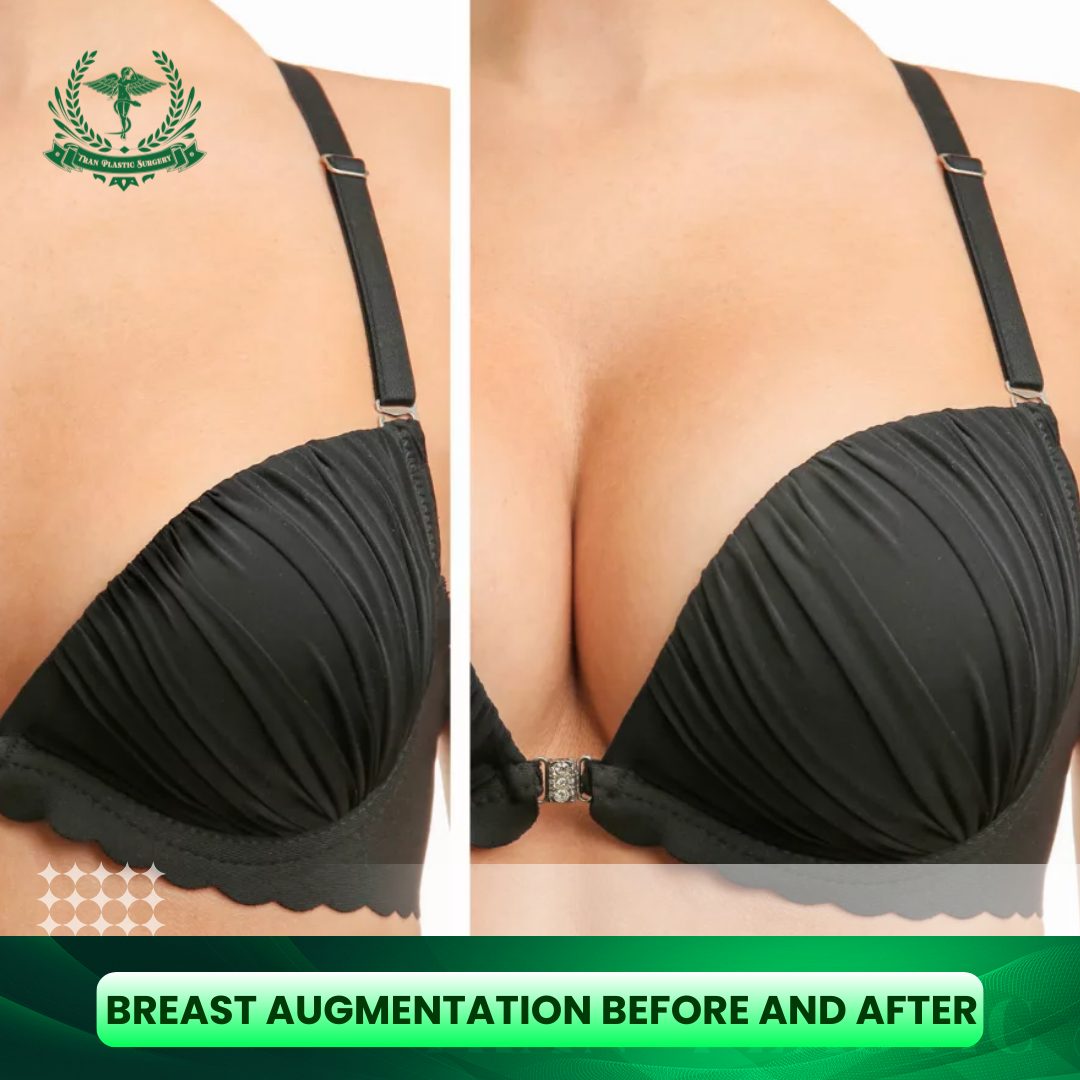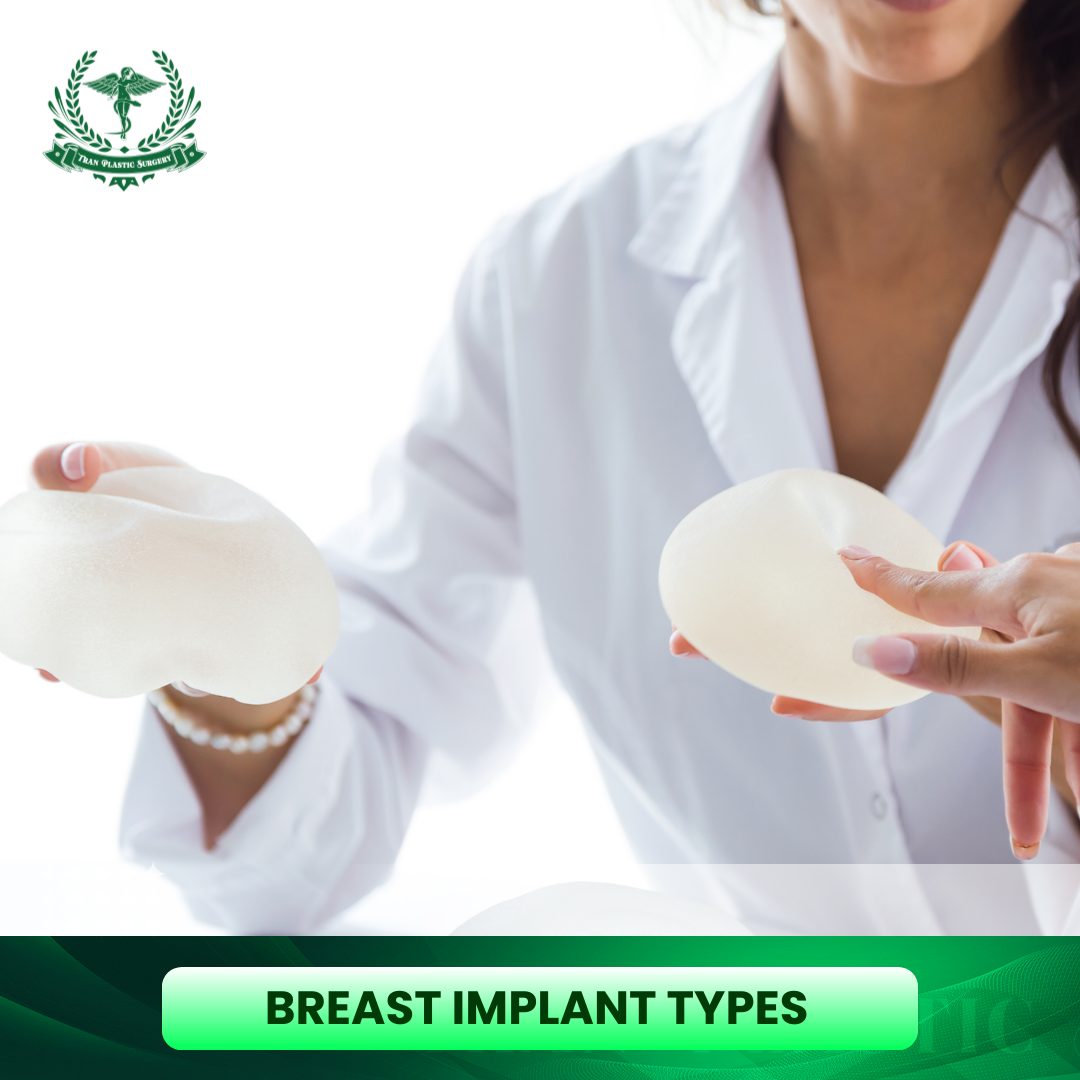
Breast implant types can quietly determine whether your results look beautifully natural or permanently artificial, and most patients only realize this after surgery. A single wrong choice in implant shape, profile, or placement can lead to visible edges, unnatural fullness, or results that never quite feel like you. In this article, Tran Plastic Surgery reveals the crucial decisions that make the difference between lasting, confident results after cosmetic surgery and the common regrets that follow the procedure.
Table of Contents
Toggle1. What are the different types of breast implants?
There are primarily three material categories approved for use: saline, traditional silicone gel, and highly cohesive gummy bear silicone. Each offers distinct advantages depending on the patient’s existing tissue and desired fullness.
1.1. Saline Breast Implants
Saline breast implants are filled with sterile salt water. They are often chosen by patients who want a smaller incision, as the shells can be inserted empty and filled once they are in place.
If a saline implant ruptures, the body safely absorbs the salt water. They tend to be firmer and may show rippling in patients with fragile natural breast tissue.
1.2. Silicone Breast Implants
Silicone breast implants are filled with a viscous gel that closely mimics the feel of natural human fat. This is often cited as the best type of breast job for natural results because the gel moves more organically with the body.
Superior softness and a more realistic appearance. Unlike saline, a rupture in a silicone implant may not be immediately obvious, requiring periodic imaging (like an MRI or ultrasound) for monitoring.
1.3. Gummy Bear Breast Augmentation
Often referred to as form-stable implants, gummy bear breast augmentation utilizes a highly cohesive silicone gel. The consistency is similar to the candy they are named after; if the implant is cut in half, the gel stays in place.
They maintain their shape (often a teardrop or anatomical shape) exceptionally well and have the lowest risk of rippling or folding. This is the preferred choice for reconstructive patients or those with minimal natural tissue who need the implant to provide the entire breast structure.
1.4. B-Lite® Lightweight Implants – The 2026 Gravity Solution
A major breakthrough in types of breast augmentation is the B-Lite® Lightweight Implant. These devices are up to 30% lighter than traditional silicone gel implants of the same volume.
By using high-purity hollow microspheres, B-Lite® significantly reduces the gravitational pull on the chest. This reduction in weight helps prevent bottoming out and minimizes the stretching of skin and tissue over time, which is a common concern as patients age.
1.5. Motiva Ergonomix® – The Dynamics of Nature
Motiva Ergonomix® implants represent the pinnacle of ergonomic design. Unlike traditional round implants that remain static, these are engineered with a specialized ProgressiveGel Ultima® that shifts based on your body’s position.
When you are lying down, the implant holds a round shape. When you stand upright, gravity pulls the gel down into a natural-looking, sloped teardrop silhouette. It perfectly mimics how real breast tissue behaves, providing an ultra-soft feel and movement that is nearly indistinguishable from natural anatomy.
>>> Read more: Surgical vs. Non-Surgical Breast Augmentation
2. Why Choose Tran Plastic Surgery for Your Augmentation?
At Tran Plastic Surgery, we believe that every patient is a masterpiece in progress. Led by Dr. Tuan Tran, a triple board-certified surgeon in Plastic, General, and Hand Surgery, our practice in Huntington Beach stands at the intersection of medical precision and artistic vision. We don’t just provide a procedure; we offer a customized journey tailored to your specific body chemistry and aesthetic dreams.
Our approach to various breast augmentation types is rooted in three core pillars:
- Precision Through Technology: We utilize advanced Crisalix 3D simulation technology during your consultation. This allows you to see a virtual preview of how different breast implant types and sizes will look on your actual body before you ever enter the operating room.
- Safety and Innovation: Dr. Tuan Tran stays at the forefront of surgical advancements, specializing in complex techniques like the dual plane breast augmentation and the use of the latest FDA-approved lightweight implants.
- A Natural Philosophy: We focus on anatomical balance. By considering factors like chest wall width, skin elasticity, and existing breast tissue, we ensure your breast augmentation results look as natural as they feel.
If you are ready to move beyond the research phase and see what is possible for your body, we invite you to experience the future of personalized aesthetics.
3. The Hybrid Breast Augmentation – Future of Natural Breast Augmentation Results
What is hybrid breast augmentation? Hybrid breast augmentation is an advanced technique that combines a smaller breast implant with autologous fat grafting (fat transfer using your own body fat). Instead of relying solely on implants for volume, this approach strategically layers fat over and around the implant to enhance shape, contour, and texture.
This method is especially ideal for patients seeking natural-looking enhancement without the overly round or artificial appearance sometimes associated with traditional implants alone.
The primary advantage of hybrid breast augmentation lies in its ability to deliver the most natural look and feel possible. By using your own purified fat to soften the edges of the implant, the breasts appear more organic both visually and to the touch.
Key benefits include:
- Smoother implant edges, especially in the upper pole
- Enhanced cleavage and upper pole fullness without a stiff or exaggerated look
- More natural breast movement and texture
- Reduced visibility or palpability of implants, particularly in patients with thin breast tissue
This technique allows surgeons to sculpt the breasts with precision, creating elegant, proportionate results that align beautifully with your body without the telltale signs of augmentation.
>>> Want to explore how hybrid breast augmentation compares to other techniques? Read more in our Ultimate Guide to Breast Augmentation.
4. Detailed Breast Implant Types Profile Comparison
| Implant Profile | Base Width Characteristics | Projection Level | Ideal Body Type & Anatomy | Aesthetic Outcome | Key Considerations |
| Low Profile | Widest base diameter relative to volume | Low forward projection | Patients with a wide chest wall, broader shoulders, or naturally wide breasts | Very subtle enhancement with increased breast width | Minimal upper pole fullness; least “augmented appearance; not ideal for cleavage-focused goals |
| Moderate Profile | Balanced base width proportional to chest | Moderate projection | Most body types; patients seeking natural breast augmentation | Smooth, natural breast slope with soft upper pole | Most commonly chosen profile; excellent for first-time breast augmentation |
| Moderate Plus Profile | Slightly narrower base than moderate | Moderately increased projection | Patients want noticeable fullness while maintaining natural proportions | Fuller upper pole with elegant projection | Bridges the gap between natural and enhanced; popular for hybrid breast augmentation |
| High Profile | Narrow base diameter | High forward projection | Narrow chest anatomy or limited breast width | Perkier, more lifted appearance with enhanced cleavage | Can appear less natural if not matched correctly to anatomy; ideal for upper pole fullness |
| Ultra-High Profile | Narrowest base available | Maximum projection | Very narrow chest or patients desiring dramatic projection | Bold, prominent, sculpted breast contour | Best for patients prioritizing projection over width; requires precise surgical planning |
*Educational Insight for Patients: Breast implant profile does not determine implant size; it defines how that volume is distributed across the chest. Two implants with the same cubic centimeters (cc) can look completely different depending on profile selection.
Surgeons evaluate:
- Chest width and rib cage anatomy
- Existing breast tissue thickness
- Skin elasticity and stretch capacity
- Desired upper pole fullness and cleavage
- Whether fat grafting (hybrid augmentation) will be used
This ensures the implant profile enhances your anatomy rather than overpowering it.
>>> You might also be interested in: Breast Augmentation Size 300cc to 600cc Implants Guide
5. Placement Techniques: Over vs. Under vs. Dual Plane Breast Augmentation
Breast implant placement plays a critical role in how natural your results look, how the breasts feel, and how long those results last. The right placement is determined by your anatomy, tissue thickness, lifestyle, and aesthetic goals, not just personal preference.
5.1. Subglandular Placement (Over the Muscle)
Subglandular breast augmentation places the implant above the chest muscle and beneath the breast tissue. This technique allows the implant to move more freely with the breast and typically results in a shorter recovery time. This method is best suited for:
- Patients with adequate natural breast tissue
- Those seeking faster recovery and less post-operative discomfort
- Patients wanting a softer lower pole shape
What to consider before undergoing this procedure?
- Higher risk of implant visibility or rippling in thin patients
- Less upper pole camouflage compared to under-muscle placement
5.2. Submuscular Placement (Under the Muscle)
Submuscular placement positions the implant beneath the pectoralis major muscle, providing additional coverage, especially in the upper breast. So, who is the most suitable person?
- Thin patients or those with minimal natural breast tissue
- Patients are concerned about implant rippling or visibility
- Long-term implant concealment and smoother upper pole contour
What should be noted? Longer recovery and more initial tightness. Potential for animation deformity in very active patients
5.3. Dual Plane Breast Augmentation
(The Tran Plastic Surgery Specialty) Dual plane breast augmentation is an advanced technique that combines the advantages of both over- and under-the-muscle placement. At Tran Plastic Surgery, the muscle is strategically released at the lower portion of the breast, allowing the implant to settle naturally into the lower pole. Meanwhile, the upper portion of the implant remains tucked beneath the muscle, creating a smooth, seamless transition from chest to breast. What are the main advantages of this method?
- Natural breast slope with soft upper pole coverage
- Reduced implant visibility and rippling
- Improved lower pole expansion and breast shape
- Enhanced cleavage without an artificial appearance
Which groups of people benefit particularly from this technique?
- Patients with mild breast sagging (ptosis)
- Those seeking natural-looking breast augmentation
- Patients combining implants with fat grafting (hybrid augmentation)
*Surgeon Insight: Dual plane placement allows for precise anatomical control, ensuring the implant works with your natural tissues rather than against them, resulting in breasts that look natural, feel natural, and age gracefully.
6. What Type of Breast Job Looks Most Natural?
The Short Answer: It’s the Triple Crown Approach
The most natural-looking bre2 3w2ast augmentation is never about one single choice. Instead, it’s the result of combining the right implant, the right placement, and the right finishing technique. At Tran Plastic Surgery, we refer to this gold-standard combination as the Triple Crown of Natural Breast Augmentation.
The Triple Crown formula for natural results:
- Anatomical implants: Anatomical, or teardrop-shaped gummy bear implants, closely mimic the natural breast contour with gentle fullness at the bottom and a soft slope at the top. Their cohesive gel structure also helps the breast feel more natural to the touch while maintaining long-term shape stability.
- Dual plane breast augmentation: Dual plane placement allows the implant to sit partially beneath the muscle for seamless upper pole coverage, while settling naturally into the lower breast. This technique minimizes implant visibility, prevents an artificial, stuck-on look, and creates a smooth transition from chest to breast.
- Hybrid fat crafting for refinement: Autologous fat grafting is used to soften implant edges, enhance cleavage, and fine-tune contours, especially in the upper pole and inner breast. Using your own fat creates a final layer that looks and feels completely natural.
Seeing is believing! Every patient’s anatomy is unique, and natural results come from personalized surgical planning, not a one-size-fits-all approach. Explore our gallery of natural-looking breast augmentation results to discover real patient transformations and understand how the Triple Crown approach yields beautifully refined outcomes.
7. Common Patient Questions about Breast Implant Types
7.1. How long is the recovery period?
Most patients find they can return to a desk job within 5 to 7 days. However, recovery varies by individual:
- Week 1: Focus on rest. You will experience some tightness and swelling.
- Weeks 2–3: Light walking is encouraged, but avoid lifting anything heavier than a gallon of milk.
- Weeks 4–6: Most patients are cleared to resume more vigorous exercise and high-impact activities.
7.2. Will I have visible scarring?
The doctor prioritizes discreet incision placement. The most common incision is the inframammary fold (the crease under the breast), which is naturally hidden by the hang of the breast and swimwear. Over time, these scars typically fade into a thin, faint line.
7.3. Do I really need to replace my implants every 10 years?
There is a common myth that implants expire at the 10-year mark. While implants are not lifetime devices, you do not need to replace them unless there is a specific issue (such as a rupture or capsular contracture). Many patients enjoy their implants for 15–20 years or longer.
7.4. Can I still breastfeed after an augmentation?
Yes. In the vast majority of cases, breast augmentation does not affect your ability to breastfeed. Because Dr. Tran typically uses the Dual Plane or Submuscular approach, the implant is placed behind the milk-producing glands, leaving the ducts intact.
7.5. How do I choose the right size?
During your consultation, we don’t just look at photos; we use proportional analysis. Dr. Tran considers your:
- Chest wall width
- Existing breast tissue
- Body frame and height.
We aim for a size that enhances your curves without putting excessive strain on your skin or back.
7.6. Does the procedure hurt?
You will be under general anesthesia during the surgery, so you won’t feel a thing. Post-operatively, most patients describe the sensation as a heavy tightness or extreme muscle soreness (similar to a very intense chest workout). We provide a comprehensive pain management plan to keep you comfortable during the first few days.
7.7. What is the most popular boob job size?
The most popular implant size generally falls between 300cc and 400cc. The trend is moving toward proportionate, athletic results (the natural look). A 350cc implant may look like a subtle enhancement on a tall woman with wide shoulders, but it could look very large on someone with a petite, narrow frame. Our goal is to find the size that balances your specific silhouette.
7.8. Which implants feel the most natural?
Cohesive Silicone Gel implants (often called Gummy Bear implants) are the gold standard for a natural feel.
Unlike saline, which can feel a bit like a water balloon, silicone gel has a give and weight that mimics natural human fat and breast tissue.
Modern highly-cohesive gel stays together even if the shell is cut, ensuring the breast remains soft to the touch rather than becoming firm or distorted.
7.9. Which breast implants jiggle the most?
If you are looking for natural movement and bounce, Smooth Round Silicone Implants are the best choice.
Movement: Because the surface of the implant is smooth, it can move slightly within the pocket. This allows the breast to shift naturally when you lie down or move, just like real breast tissue.
Textured vs. Smooth: Textured implants are designed to stick to the tissue to stay in place; while this is useful for certain shapes, it results in a breast that is more static and has less jiggle.
7.10. How many cc’s are in a full C or D cup?
While it varies based on your existing breast tissue and ribcage width, the general rule of thumb is that 150cc to 200cc equals roughly one cup size.