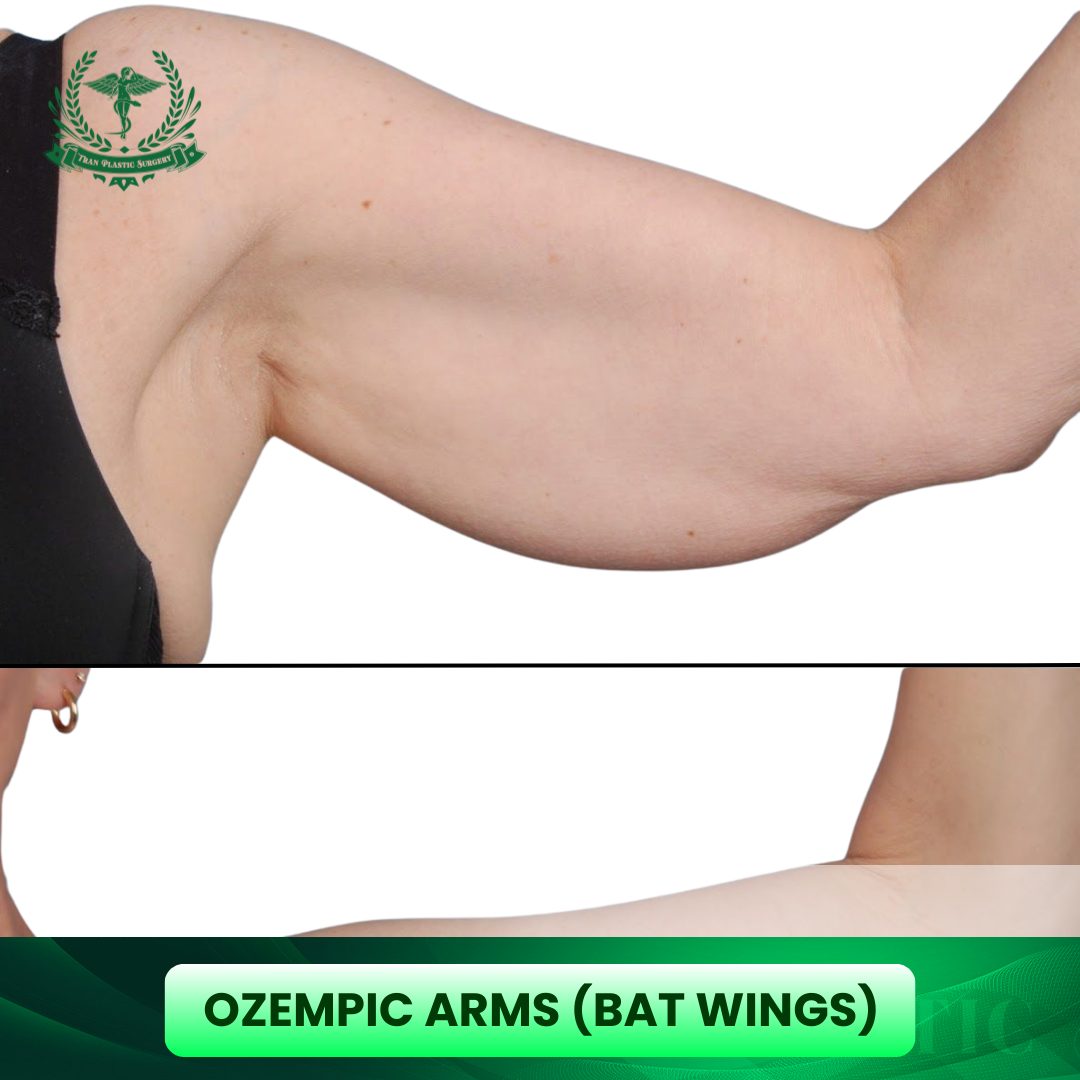
Ozempic arms are a frustrating reality for many patients who have achieved massive weight loss only to be left with sagging skin that no amount of exercise can tighten. If you are tired of hiding your arms in long sleeves despite hitting your goal weight, you are not alone, and there is a solution.
1. Why Exercise Cannot Tighten Loose Skin on Arms?
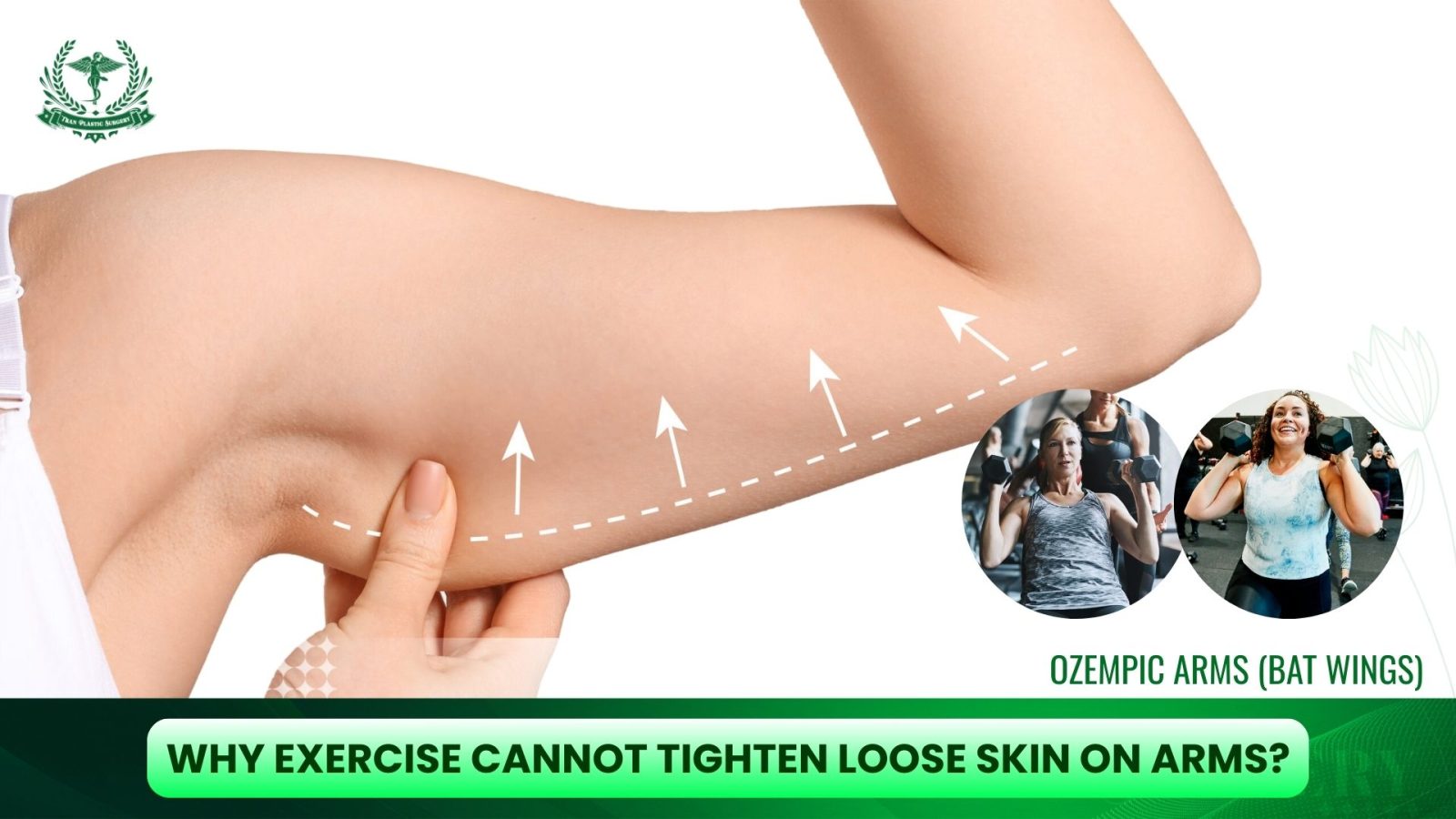
We need to debunk the most pervasive myth in the weight loss community right now: that you can tone away loose skin with tricep dips. While building muscle is fantastic for your health and metabolism, it is physiologically impossible for exercise to tighten Grade 3 or Grade 4 skin ptosis.Why exercise cannot tighten loose skin caused by Ozempic arms?
1.1. The Volume vs Surface Area Problem
Think of this as a simple math problem involving surface area and volume. If you carried 50 extra pounds, your skin would stretch to accommodate that volume. When that volume disappears in a matter of months, you are left with a massive surplus of skin.Hypertrophy (muscle growth) has a biological cap. Even if you trained like a professional bodybuilder, your triceps muscles could only grow by a small percentage. You simply cannot build enough muscle mass to replace the volume of the fat you lost. Trying to fix Ozempic-induced arm muscle loss with weightlifting is like trying to fill a king-sized pillowcase with a tennis ball. The underlying muscle might get harder, but the “pillowcase” (your skin) will remain loose and empty.
1.2. Why Your Skin Won’t Snap Back?
The issue goes deeper than just stretching. Histological research into patients with massive weight loss shows that the skin itself has changed. The collagen bundles in your dermis have become thinner and disorganized, and the elastin fibers, the rubber-band-like proteins that give skin its snap, are fragmented.Once elastin fibers are broken, they behave like an overstretched rubber band, losing their ability to recoil. No amount of exercise can repair broken elastic fibers. While strength training will help shape the underlying arm, it cannot reduce the skin’s surface area. This is why how to tighten loose skin on arms is a question that usually leads to a surgical answer rather than a gym membership.*Other topics you may be interested in:
2. Stop Wasting Money on Firming Creams and Noninvasive Devices
The beauty industry is quick to capitalize on insecurity, flooding your feed with ads for “firming” lotions and high-tech devices that promise to fix crepey skin on arms without surgery. However, for the post-weight-loss patient, these products are often a waste of financial resources.
2.1. Why topical creams can’t fix sagging arm skin?
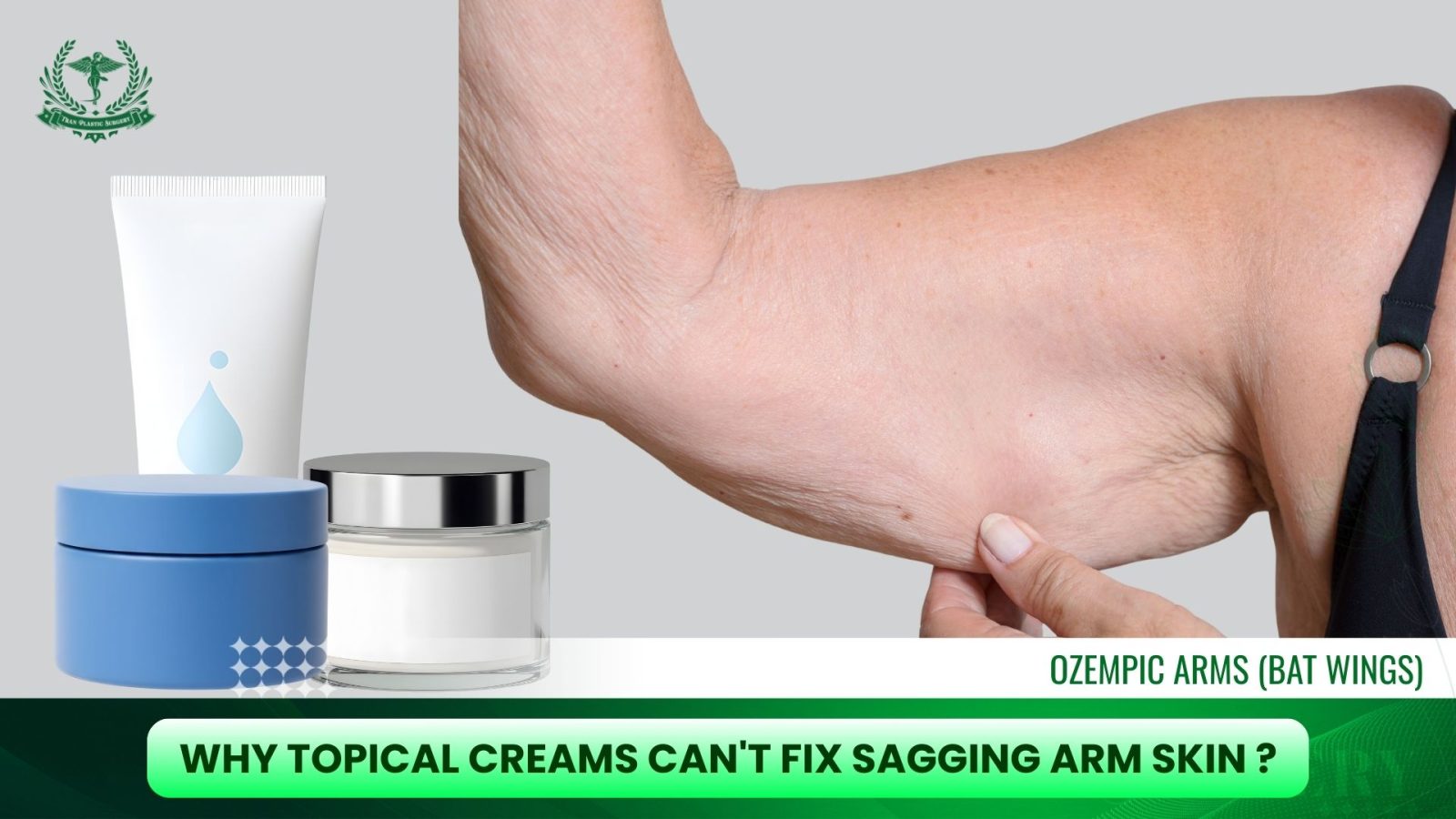
If you are asking how to tighten loose skin on arms with a cream, the biological answer is that you largely cannot. Topical agents face a fundamental barrier: molecular size. The active ingredients in most firming creams, even those boasting collagen or elastin, are physically too large to penetrate the epidermis and reach the reticular dermis where the structural damage has occurred.Why topical creams can’t fix sagging skin in Ozempic arms?While pharmaceutical-grade retinoids can slightly thicken the skin over months of use, they cannot generate the mechanical force required to lift inches of sagging skin. If a cream claims to be a “facelift in a bottle,” it is marketing hyperbole, not science.
2.2. Can the limits of advanced equipment improve Ozempic arms?
Non-surgical devices that use Radiofrequency (RF) or Ultrasound (such as Morpheus8 or Sofwave) heat the deep layers of the skin to stimulate new collagen. While these technologies are excellent for mild, age-related laxity, their ability to contract skin is physically limited to about 10% to 15%.Can the limits of advanced equipment improve Ozempic arms?For a patient with Ozempic flabby arms who has several inches of redundant skin hanging from the triceps, a 10% improvement is clinically negligible. These devices cannot remove the excess surface area; they can only slightly tighten what is already there. For accurate correction, the excess tissue must be physically excised.
3. Brachioplasty Remains the Definitive Cure for Bat Wings and Bingo Wings
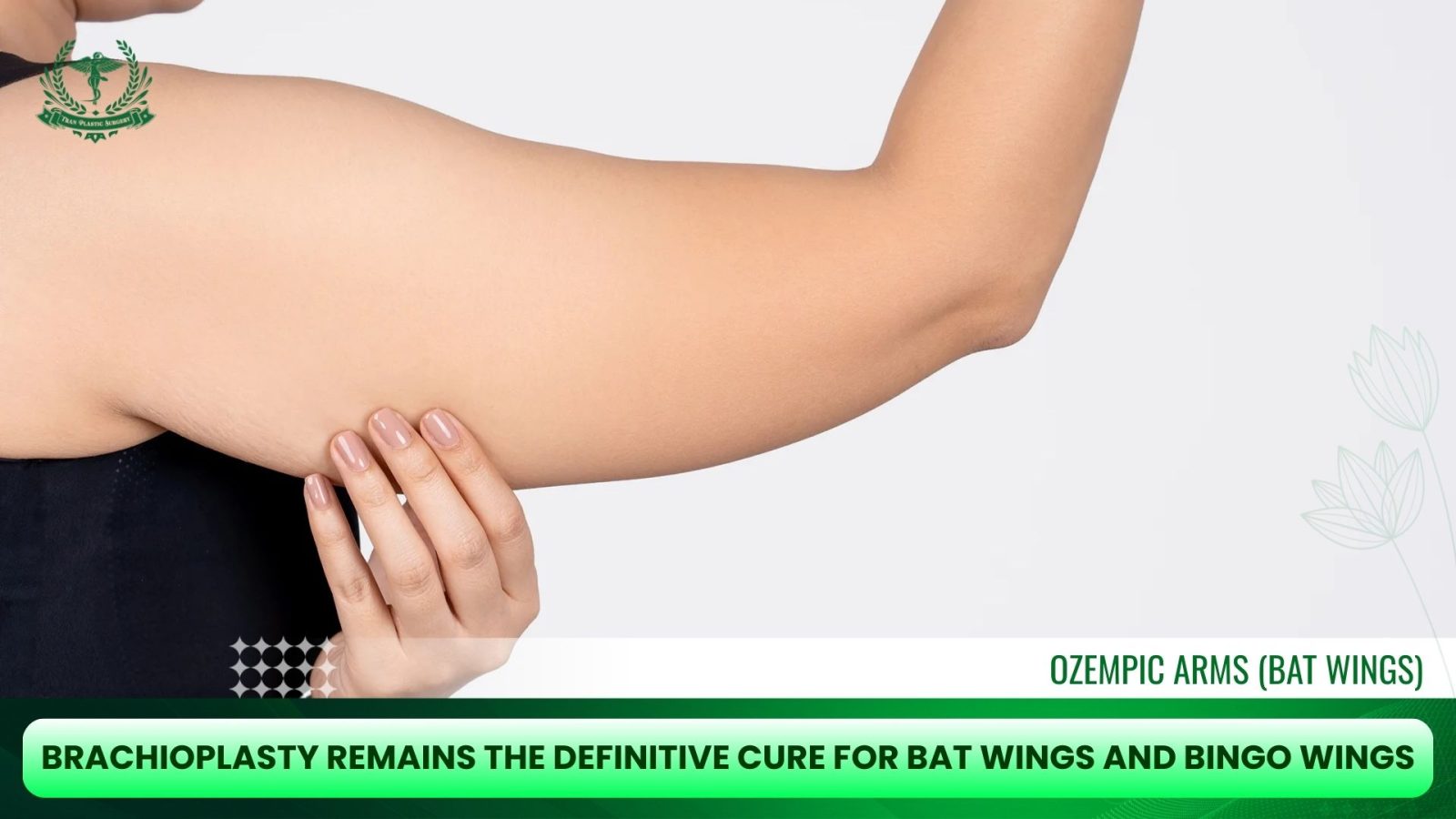
For patients with significant skin laxity, brachioplasty (arm lift surgery) is the gold standard. It is currently the only modality that addresses the root cause of the deformity: excess surface area. By surgically removing the redundant skin and fat, surgeons can restore a cylindrical, toned arm contour that matches your new body weight.
3.1. Standard Brachioplasty Technique
The standard arm lift surgery involves an incision that typically runs from the axilla (armpit) to the elbow. This allows the surgeon to remove the maximum amount of loose skin and tighten the underlying fascial system. The incision is strategically placed either on the inside of the arm (medial) or the back of the arm (posterior) to minimize visibility when your arms are down at your sides. This technique is essential for patients with moderate to severe loose skin on arms that extends the full length of the upper arm.
3.2. L Brachioplasty and Extended Techniques
In patients with massive weight loss, skin laxity rarely stops at the armpits. It often continues down the side of the chest, creating a “lateral thoracic roll” or “bra roll.” In these cases, an Extended Brachioplasty or L-Brachioplasty is required.The incision extends from the elbow, through the axilla, and down the side of the chest in an “L” shape. This powerful technique corrects both the “bat wing” and the side-body laxity in a single procedure, restoring the axillary hollow and smoothing the upper torso.
3.3. The Role of Liposuction in Contouring
Modern brachioplasty is rarely a “skin-only” operation. Expert surgeons frequently use upper-armcontouring with liposuction to debulk the arm before removing the skin. This “Lipo-Brachioplasty” technique protects critical lymphatic vessels and nerves while sculpting a more defined muscular shape, preventing the “sausage casing” look that can occur with simple excision.Brachioplasty remains the definitive cure for bat wings, bingo wings, and severe Ozempic arms
4. How Dr Tuan Tran Customizes Your Arm Lift at Tran Plastic Surgery
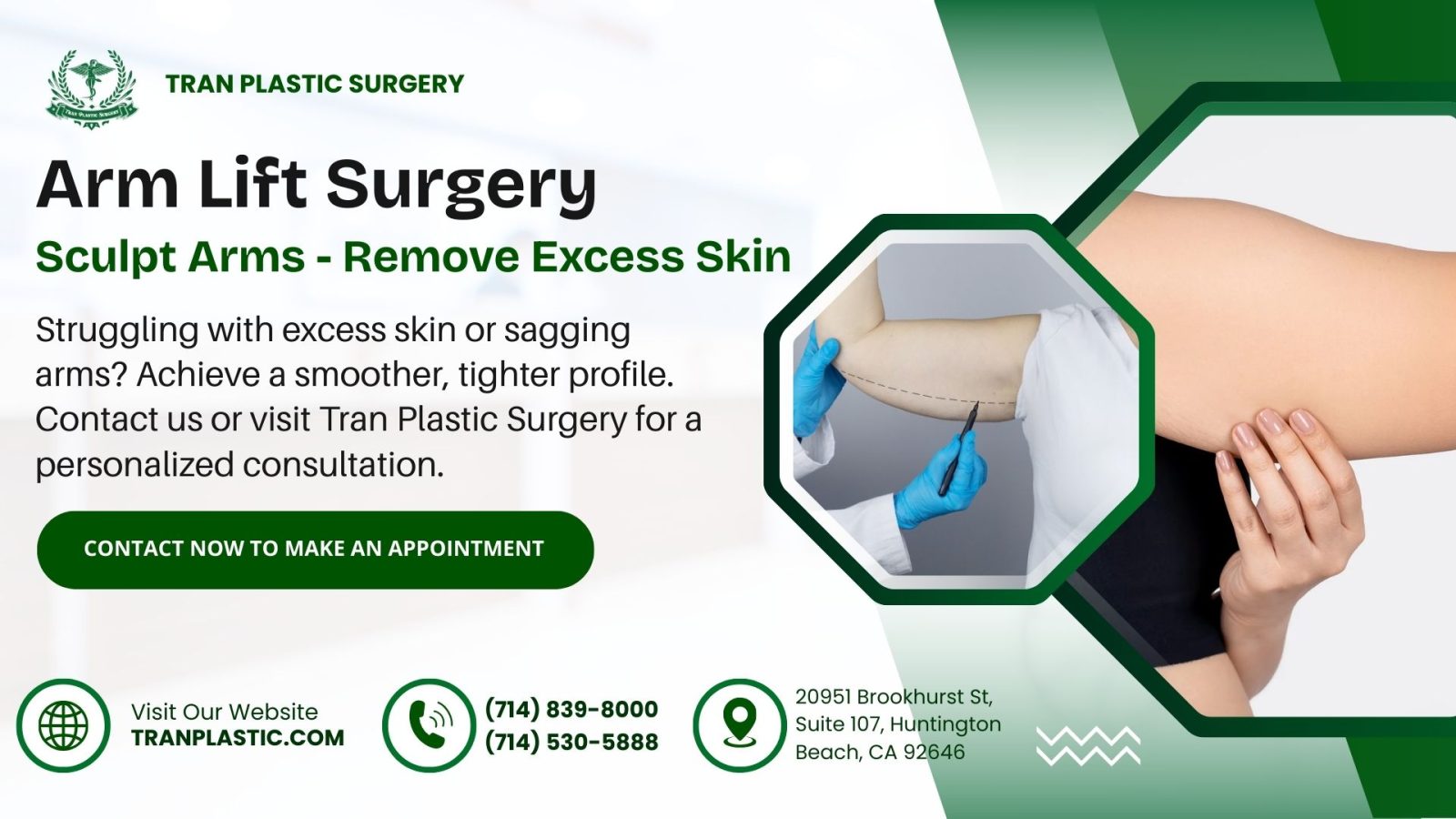
At Tran Plastic Surgery, we understand that no two weight loss journeys are the same. Dr. Tuan Tran, a double board-certified surgeon serving Huntington Beach, specializes in the unique anatomical challenges of the weight loss patient.Dr. Tran goes beyond the standard skin removal approach. He utilizes a comprehensive contouring strategy that often combines VASER High-Definition Liposculpture with skin excision. This allows him not just to remove the hanging skin, but also to sculpt the underlying fatty tissue, revealing the muscle definition you have worked so hard to build in the gym.By meticulously planning the incision placement, Dr. Tuan Tran ensures that scars are hidden in the most discreet locations possible, typically within the bicipital groove of the inner arm. His goal is to give you arms that don’t just look thinner, but look athletic, toned, and proportionate to your new frame. Whether you need a standard brachioplasty or a complex extended lift to address lateral chest rolls, Dr. Tuan Tran’s expertise in reconstructive techniques ensures a result that prioritizes both aesthetics and functional comfort.Arm Lift Surgery – Tran Plastic Surgery
5. Why the Mini Arm Lift Is Rarely Enough for Ozempic Patients?
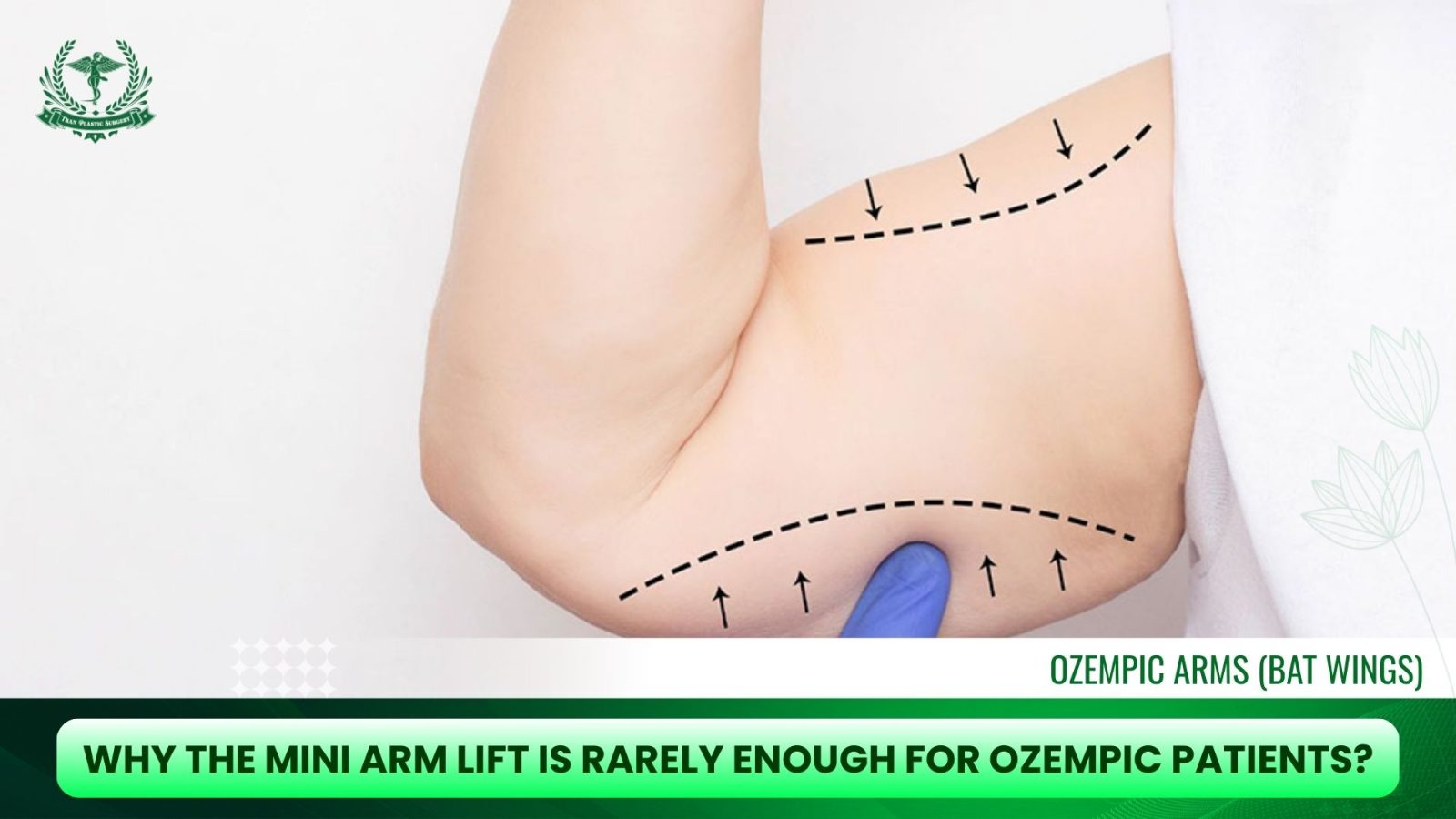
Many patients search for the mini arm lift hoping for a solution with a smaller, hidden scar. However, expectation management is critical here. The mini arm lift involves a short incision hidden entirely within the armpit crease.While this results in a minimal scar, it can mechanically address only mild skin laxity in the very top third of the arm. For the typical Ozempic patient who has lost 50+ pounds and has loose skin extending to the elbow, a mini lift is mathematically insufficient. Attempting to treat a whole arm’s worth of loose skin with a mini incision often results in a “telescoping” deformity where the skin is pulled tight near the armpit but remains loose and bunchy near the elbow. It is generally not a viable option for correcting the actual “Ozempic body” phenotype.Why the Mini Arm Lift Is Rarely Enough for Ozempic Patients?>>> Read more: Brachioplasty vs Arm Liposuction: Which One Is Right for You?
6. Critical 2025 Safety Protocols for GLP-1 Users Undergoing Surgery
If you are taking semaglutide (Ozempic, Wegovy) or tirzepatide (Mounjaro, Zepbound), preparing for surgery involves more than just packing your bag. The very mechanism that helps you lose weight, delayed gastric emptying, poses a significant risk under anesthesia. Because these drugs keep food in your stomach for days rather than hours, standard fasting guidelines are no longer sufficient.
6.1. The Aspiration Risk Explained
Under general anesthesia, your body’s protective reflexes are paused. If food remains in your stomach, there is a risk of regurgitation and pulmonary aspiration, where stomach contents are inhaled into the lungs. This can lead to severe pneumonia or respiratory failure. Recent studies have shown that patients on GLP-1 agonists can have a “full stomach” even after fasting for the standard 8 to 12 hours.
6.2. The 14 Day Stop Rule
To mitigate this risk, the American Society of Anesthesiologists (ASA) and the new 2025 consensus guidelines strongly recommend a strict cessation protocol. For patients on weekly injections like Ozempic or Wegovy, you must stop your medication at least 14 days (two weeks) before surgery. This washout period allows gastric motility to return to normal, ensuring your stomach is truly empty before you go under. For daily medications like Rybelsus, a 24-hour hold is typically sufficient, but you must consult your specific surgical team.
6.3. Counteracting Malnutrition
Rapid weight loss often leads to a depletion of essential nutrients needed for wound healing. Before undergoing arm skin removal, it is vital to optimize your nutrition. Many surgeons now require patients to increase their protein intake (aiming for 1.5g per kg of body weight) and supplement with collagen and vitamins like Zinc and C for weeks before the operation. This “anabolic loading” helps prevent wound separation and supports the immune system during recovery.
7. Navigating the Brachioplasty Scar Trade Off and Camouflage Options
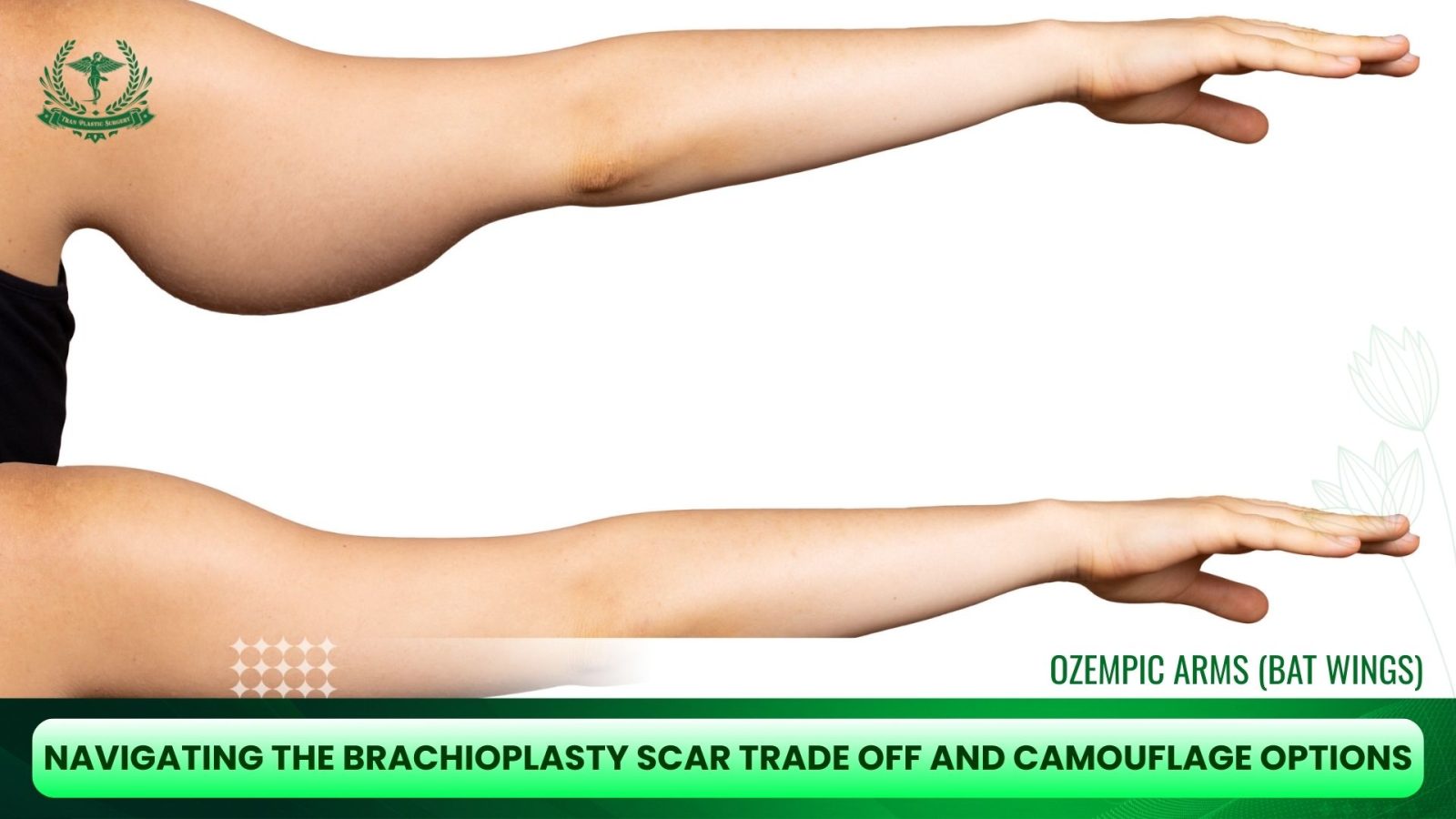
The decision to undergo brachioplasty is often described as a “trade-off.” You are trading a 3D deformity (hanging, flapping skin) for a 2D deformity (a permanent scar). Understanding this exchange is key to satisfaction.Navigating the Brachioplasty Scar Trade Off and Camouflage Options
7.1. The Reality of the Scar
There is no such thing as a scarless arm lift. The incision for a standard brachioplasty typically runs from the armpit to the elbow. Surgeons generally place this scar in the bicipital groove (the inside of the arm) or slightly toward the back (posterior). While these placements hide the scar when your arms are down at your sides, it will be visible when you wave or lift your arms.
7.2. The Healing Timeline
Do not judge your scar in the first few months. Arm lift scars go through a maturation process that takes 12 to 18 months.
0 to 3 Months: The scar will be red, raised, and firm. This is the inflammatory phase and is completely normal.
3 to 9 Months: The scar will begin to flatten but may remain pink.
12 Months Plus: The scar eventually fades to a thin white or silver line.
7.3. Camouflage and Aftercare
To minimize scarring, silicone therapy (using silicone sheets or gel) is the gold standard and should be started as soon as the incision heals. For older scars that remain visible, medical tattooing (paramedical camouflage) can deposit flesh-colored pigment into the scar to blend it with the surrounding skin. Many patients also opt for decorative tattoo sleeves to turn their surgical journey into a work of art.
8. Analyzing the Real Price Tag of Arm Lift Surgery
The cost of correcting Ozempic arms varies significantly by location and the complexity of the surgery. It is essential to look at the “out the door” price, not just the surgeon’s fee.
8.1. Comprehensive Cost Breakdown
In 2025, the total cost of a brachioplasty typically ranges from $8,000 to $15,000.
Surgeon’s Fee: $5,000 – $9,000. This covers the doctor’s expertise and the procedure itself.
Anesthesia Fees: $1,500 – $2,500. Charged by the anesthesiologist or nurse anesthetist.
Facility Fees: $2,000 – $4,000. The cost of the operating room, nurses, and equipment.
Hidden Costs: Do not forget to budget for compression garments ($150+), prescriptions, and lymphatic massage therapy during recovery.
8.2. When Medical Necessity Covers Skin Removal
Brachioplasty is overwhelmingly classified as a cosmetic procedure, meaning insurance rarely covers it. However, there is an exception for medical necessity. If you suffer from chronic, documented skin infections (intertrigo) or ulcers in the armpit folds that have failed to heal after 3 months of medical treatment, you may qualify for coverage. This requires rigorous documentation, including photos of the raw skin and records of failed prescription treatments.Correcting Ozempic flabby arms marks the final chapter in a long weight-loss journey. While the surgery requires a significant recovery period and leaves a permanent scar, the functional freedom is often life-changing. Patients report the ability to exercise without skin flapping, fit comfortably into sleeved shirts, and wave with confidence. If you accept the scar as a badge of your hard work, brachioplasty can offer the finishing touch your new body deserves.
Rapid weight loss from GLP-1 medications often outpaces the skin’s ability to shrink. When you lose both fat and muscle mass quickly, the “scaffolding” holding up your skin collapses, leaving behind a deflated, loose skin envelope.
No. While exercises can build the muscle underneath, they cannot shrink the surface area of the skin. Once the skin has been stretched beyond a certain point and elastin fibers are damaged, no amount of muscle growth can fill the loose skin.
For mild crepiness, retinol creams and radiofrequency microneedling (like Morpheus8) can offer slight improvements. However, for significant hanging skin, surgical removal (brachioplasty) is the only effective treatment.
The average total cost ranges from $8,000 to $15,000 depending on your location and surgeon. This typically includes the surgeon’s fee, anesthesia, and facility costs.
It is rare. Insurance may cover the procedure if you have well-documented chronic infections (intertrigo) or ulcers in the skin folds that have not healed with medical treatment over several months.
A mini arm lift uses a small incision hidden in the armpit and only treats mild laxity near the top of the arm. A full brachioplasty uses an incision from armpit to elbow to treat loose skin along the entire upper arm.
The scar is permanent and typically runs from the armpit to the elbow. It will be red and raised for the first few months but typically fades to a thin white line after 12 to 18 months.
According to 2025 guidelines, you should stop weekly GLP-1 injections like Ozempic or Wegovy at least 14 days before elective surgery to reduce the risk of anesthesia complications.
Creams can improve skin hydration and surface texture, but they cannot penetrate deep enough to tighten loose, hanging skin caused by massive weight loss.
Most patients can return to desk work within 1 to 2 weeks. You must wear compression garments for 4 to 6 weeks, and heavy lifting or strenuous arm exercises are restricted for at least 6 weeks.
Board-Certified Plastic Surgeon in Orange County, CA
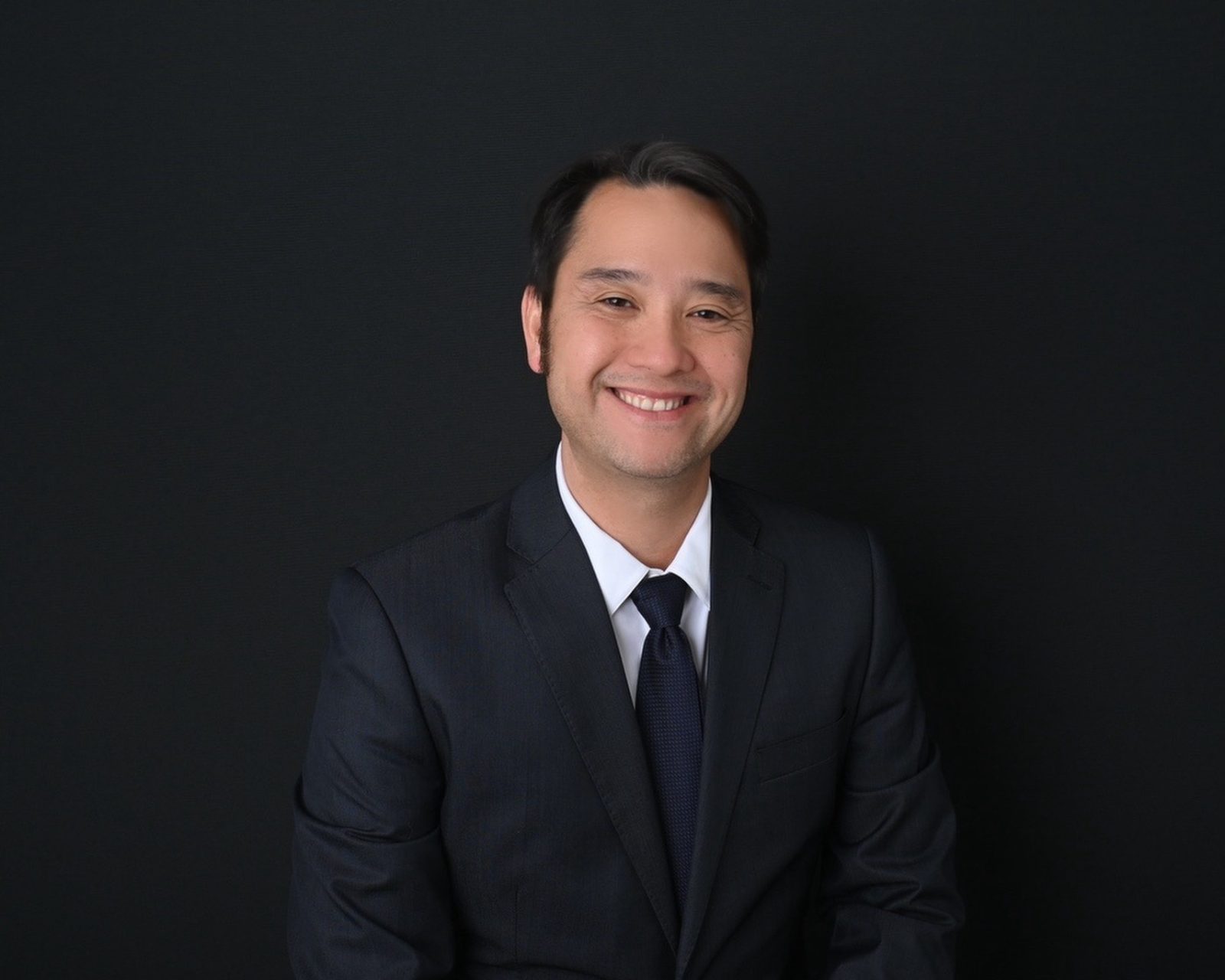
With over a decade of expertise, Dr. Tuan Tran is a renowned surgeon dedicated to the highest standards of surgical excellence. He meticulously reviews and vets all content to ensure patients receive accurate, evidence-based insights and the latest safety protocols in modern medicine.