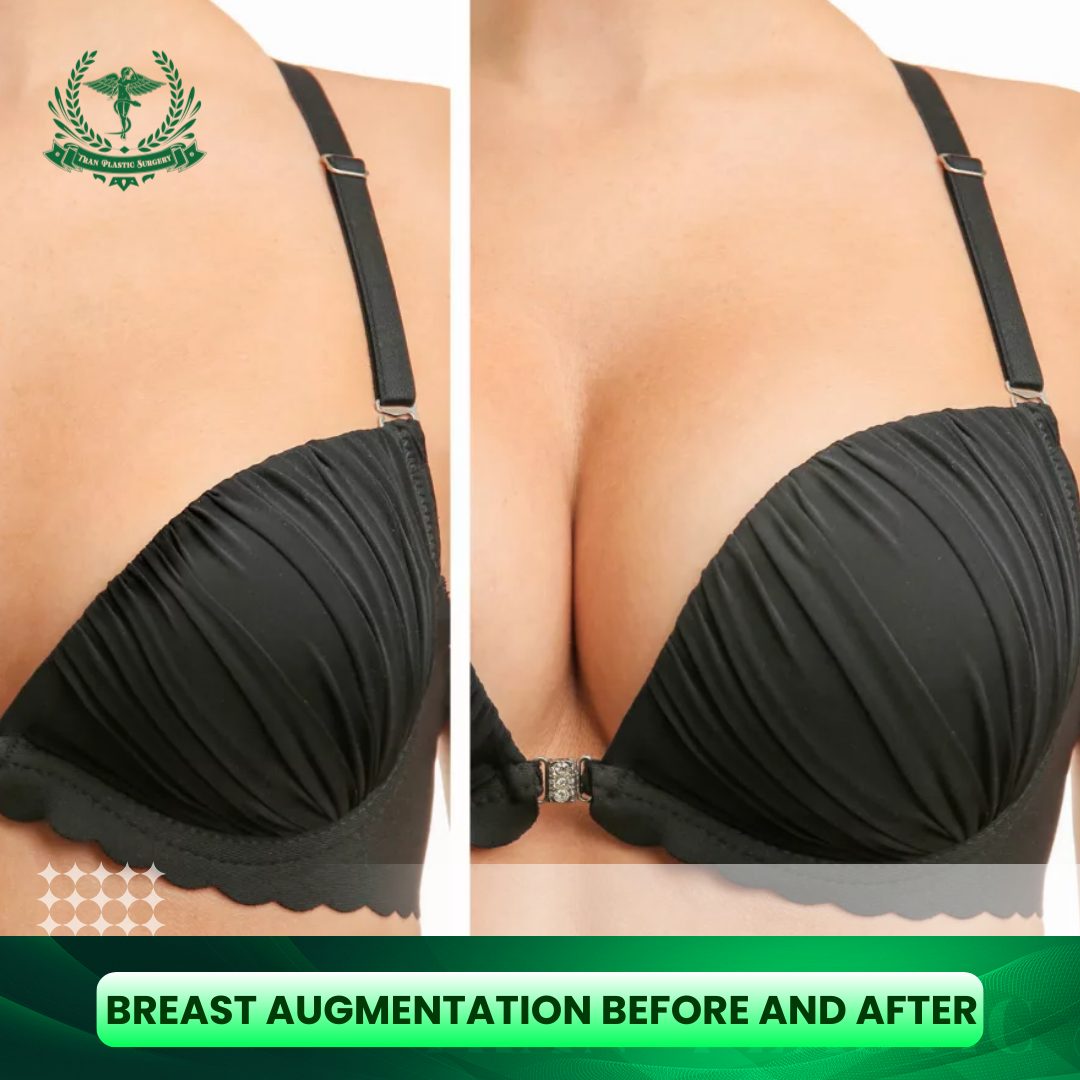
Struggling with Ozempic breasts after your weight loss journey? You are not alone in seeing sagging skin and lost volume. While shedding pounds is a triumph for your health, looking in the mirror to find deflated or pancake breasts can be emotionally devastating. You worked hard for your new body, and you deserve a chest contour that matches your slimmer waistline.
1. What Are Ozempic Breasts?
The term Ozempic breasts has exploded in popularity, but it is not a direct medical side effect of the drug itself. Instead, it is the physical result of the rapid velocity at which you lost weight. When you lose weight slowly, your skin has time to adjust. However, powerful GLP-1 medications like Semaglutide (Ozempic or Wegovy) and Tirzepatide (Mounjaro) accelerate fat loss so quickly that the skin envelope cannot retract fast enough.

Your breasts are made up of glandular tissue and fat. Because the medication targets fat stores throughout your body, it often depletes breast volume first. You are left with the same amount of skin surface area you had at your heaviest, but without the internal volume to keep it tight. This creates that “empty envelope” look where the tissue slides to the bottom of the breast pocket.
>>> Read more: Weight Loss Injections with Semaglutide
2. Why Rapid Weight Loss Causes Sagging
Many patients ask, does Ozempic make your boobs smaller permanently? The answer lies in your anatomy. Your breasts are supported by a network of internal fibrous bands called Cooper’s Ligaments. Think of these as the internal scaffolding that holds your breast tissue up against your chest wall.
When you were carrying more weight, these ligaments were under constant heavy tension and stretched out, much like an overused rubber band. Once the fat melts away rapidly, these stretched ligaments lose their structural integrity and cannot snap back. This is why Ozempic breasts appear so suddenly. The structural failure of these ligaments, combined with thinner, less elastic skin, means that gravity takes over immediately.
3. Why Gym Workouts Cannot Fix Saggy Breasts After Weight Loss?
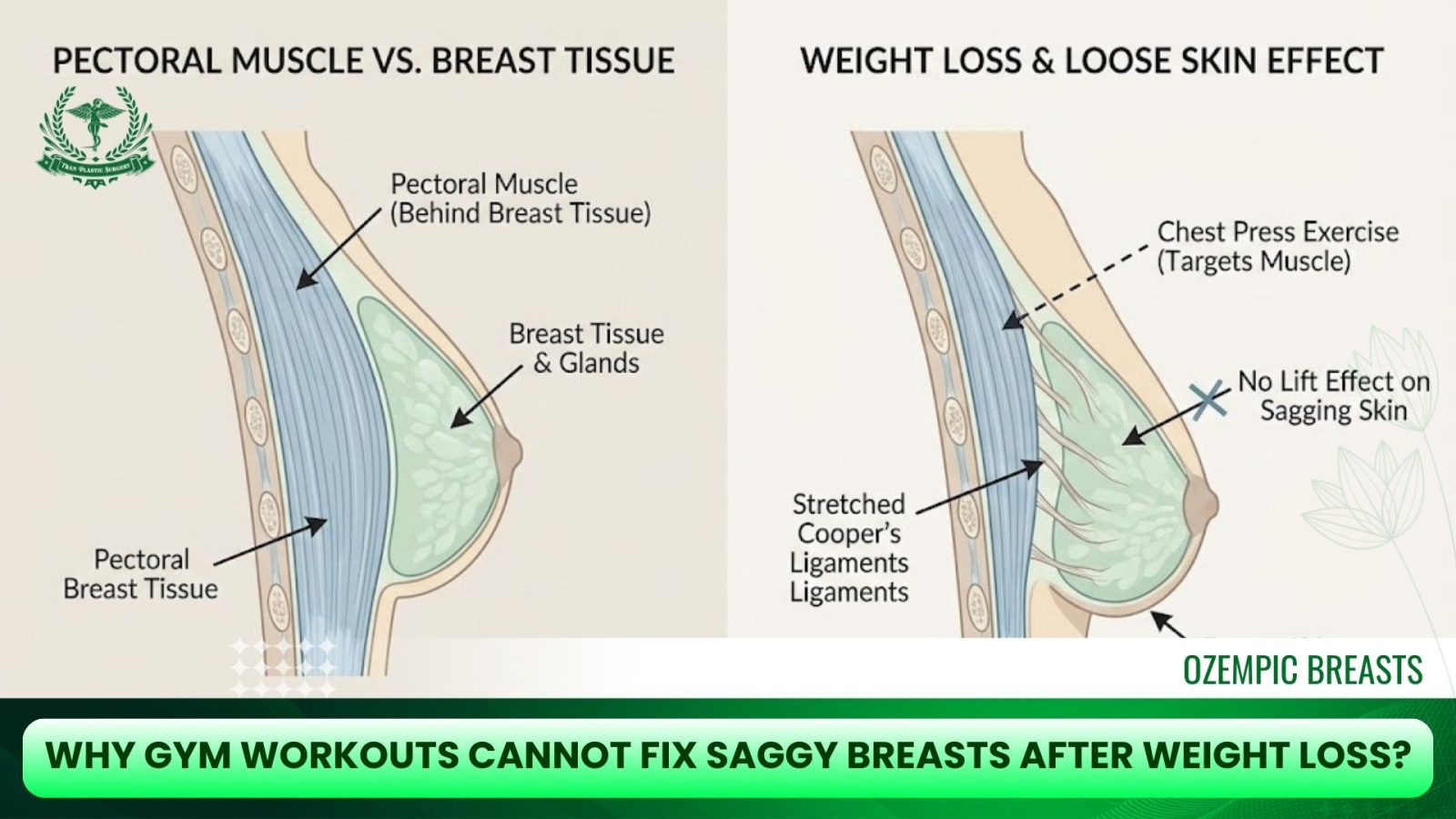
It is a common myth that you can “lift” your breasts back up with enough chest presses or push-ups. While building your pectoral muscles is excellent for strength, it will not fix loose skin on breasts.
The pectoral muscle sits behind the breast tissue. Growing this muscle might add a tiny bit of projection, but it does absolutely nothing to tighten the redundant skin envelope or shorten those stretched Cooper’s ligaments. If you are dealing with saggy breasts after weight loss, you are dealing with a skin redundancy issue. Plastic surgery for Ozempic breasts is the only method to remove that excess skin and restore a youthful shape physically.
4. Restoring Your Shape with a Breast Lift Mastopexy Procedure
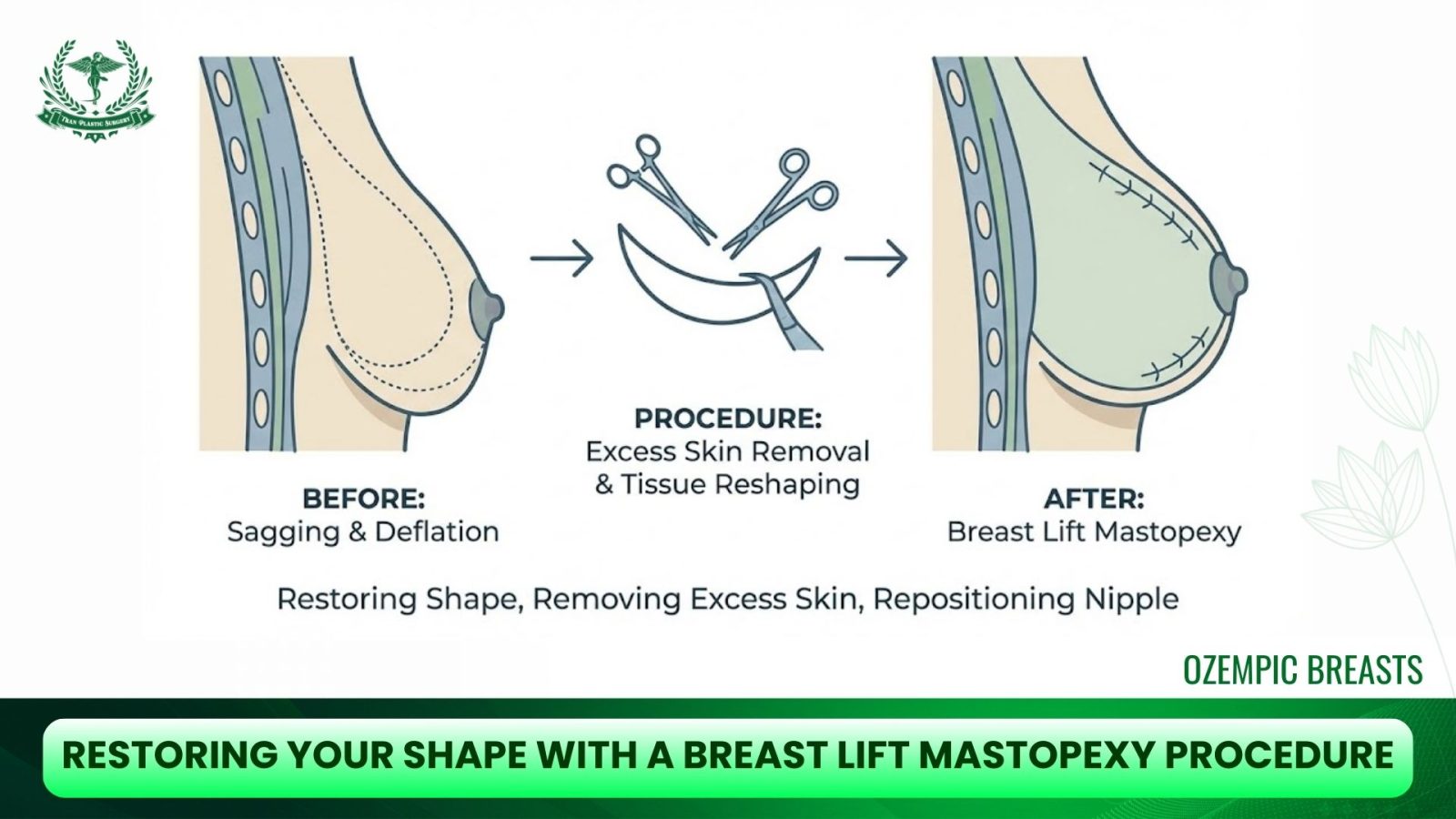
The gold standard for correcting the severe deflation and sagging associated with Ozempic breasts is the breast lift, medically known as a mastopexy. This procedure is not just about pulling skin tight; it is an architectural reconstruction of your breast mound.
During a mastopexy, your surgeon removes the excess, loose skin that is causing the droop. They then reshape the underlying breast tissue (parenchyma) to create a tighter, rounder cone and secure it higher on the chest wall.
Finally, the nipple-areola complex is repositioned to a central, youthful height. For patients who have retained enough natural tissue volume, this reshaping alone can be transformative, effectively treating the “empty envelope” look without necessarily requiring an implant.
>>> Read more: Breast Lift Surgery (Mastopexy): Everything You Need to Know
5. Combining a Breast Lift with Implants for Maximum Upper Pole Fullness
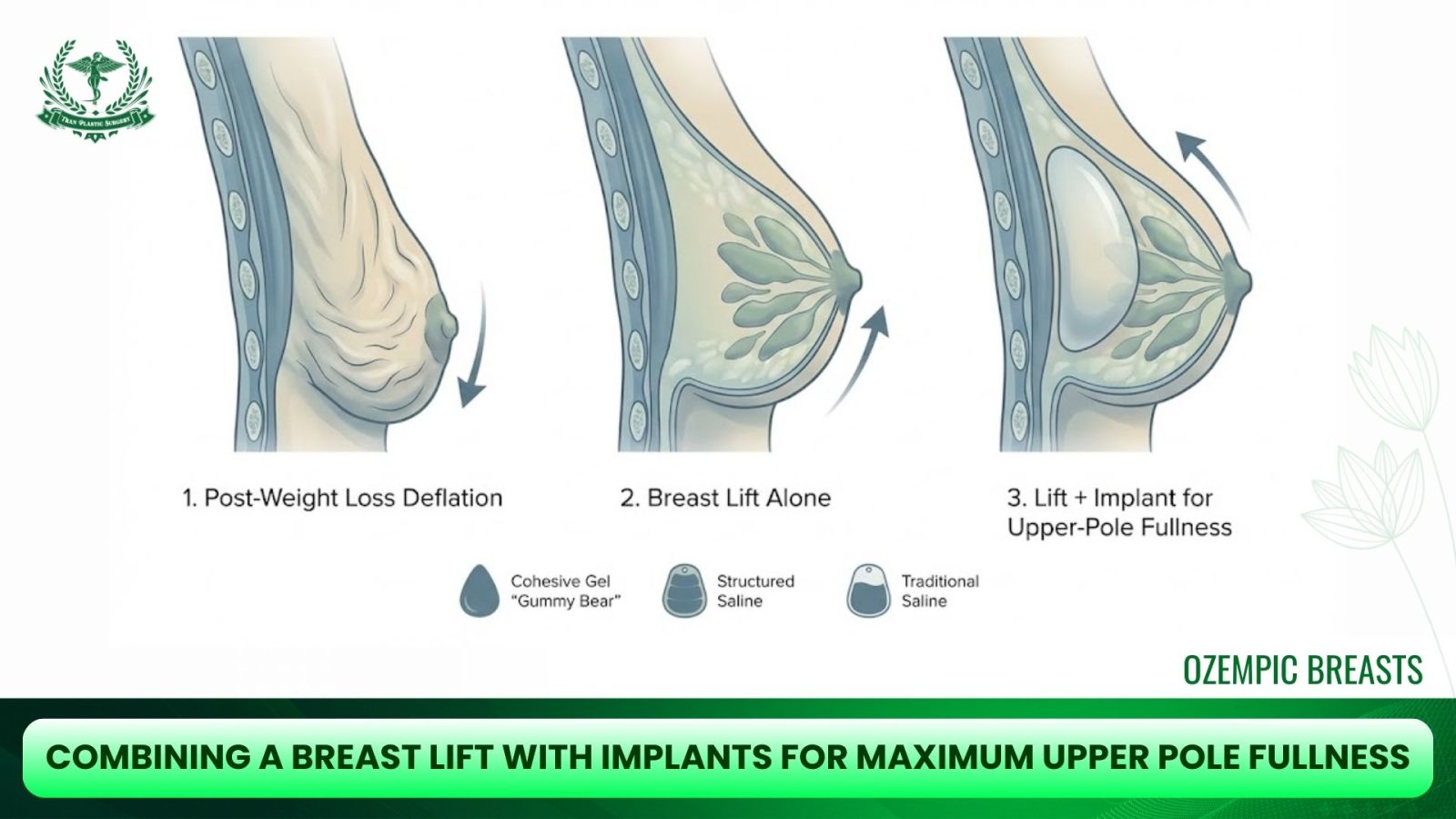
For many weight-loss patients, lifting the existing tissue isn’t enough because the breast has lost significant volume. A lift alone might result in a perky but small shape, which often leaves the upper chest looking flat, a hallmark of Ozempic breasts. To get that full, rounded look and truly correct Ozempic breasts, most patients opt for a breast lift combined with implants.
Using a breast implant refills the deflated skin envelope and provides upper-pole fullness to the cleavage area, which often appears skeletal after weight loss. Surgeons typically recommend cohesive gel “gummy bear” implants for treating Ozempic breasts because they hold their shape firmly and are less likely to show rippling under thin, post-weight-loss skin.
Popular Types of Breast Implants Considered Today:
- Cohesive Gel (Gummy Bear) Implants: These are the top choice for weight loss patients because the silicone gel is thicker and holds its shape like a gummy bear, even when cut. This structural stability prevents the implant from wrinkling or folding, which is crucial when you have thin skin that cannot hide implant edges.
- Structured Saline Implants: A modern evolution of traditional saline, these feature an internal structure (baffles) that supports the shell, making it feel more natural and ripple less. They offer the peace of mind of a saline fill (sterile saltwater) with a natural feel that rivals silicone, making them a strong “hybrid” option.
- Traditional Saline Implants: Filled with sterile saltwater, these allow for smaller incisions since they are inserted empty and filled inside the pocket. While they are cost-effective, they tend to be firmer and are more likely to cause visible rippling in patients with very little natural breast tissue left.
6. The Internal Bra Solution for Preventing Recurrent Sagging
One of the biggest fears for weight loss patients is that their skin will stretch out again. Because your tissue quality is poorer after significant weight fluctuations, this is a valid concern. The solution is the Internal Bra technique.
This involves using a bioresorbable mesh scaffold (such as GalaFLEX) that is sutured into the breast during surgery. It acts like a hammock, cradling your breast tissue or implant and holding it high on the chest wall. Over 12 to 18 months, the mesh dissolves and is replaced by your body’s own collagen, creating a new, reinforced layer of support. This is the best insurance policy against Ozempic breast shrinkage returning in the future.
>>> Read more: Breast Augmentation Recovery Timeline & Healing Guide
7. Ozempic Breasts Before and After and Scarring Expectations
You should have realistic expectations about scarring. To dramatically reshape a breast after massive weight loss, an anchor incision (inverted-T) is usually necessary. This scar runs around the areola, vertically down to the crease, and horizontally along the fold.
While the idea of scars can be daunting, they are the trade-off for removing the “hanging skin sac” look. With proper care, these scars fade significantly to thin white lines. Most patients find that the confidence gained from their new Ozempic breasts before and after results far outweighs the presence of scars.
8. Breakdown of Breast Lift Cost and Insurance Realities
A common question is the breast lift cost for weight loss patients looking to fix Ozempic breasts. Because these cases are biomechanically more complex than standard lifts, often requiring extensive skin removal and internal support, the price point can be slightly higher.
8.1. Estimated Surgeon & Facility Fees (2025 Averages)
- Standard Breast Lift: Generally ranges from $8,000 to $12,000.
- Breast Lift with Implants: Typically falls between $12,000 and $18,000 due to the cost of the devices and longer operating time.
- Internal Bra (Mesh) Add-on: Can add $3,000 – $5,000, depending on the type of mesh used (e.g., GalaFLEX).
8.2. The “Hidden” Costs You Must Plan For
It is essential to look beyond the surgeon’s quote. A complete budget should include anesthesia fees ($1,000–$1,500), operating room facility fees, pre-op medical clearance labs, and post-surgical garments. Always ask for an “all-inclusive” quote during your consultation to avoid surprises.
8.3. Does insurance cover the correction of Ozempic breasts?
Typically, no. Insurance providers classify mastopexy as a cosmetic procedure. However, there are exceptions. If you have severe, documented rashes (intertrigo) under the breast fold that do not respond to dermatological treatment, or if you require a breast reduction to alleviate chronic back pain, some insurance plans might cover a portion of the surgery as “medically necessary.”
8.4. Financing Your Transformation
Since insurance coverage is rare, most patients utilize financing options. Programs like CareCredit and Alphaeon Credit offer flexible payment plans, often with 0% interest for 6-12 months, allowing you to pay for your surgery in manageable monthly installments.
9. Choosing the Best Expert for Your Breast Contouring After Post-Weight
Your body after weight loss is unique. The skin is thinner, elasticity is compromised, and the anatomy requires a surgeon with specialized expertise in post-bariatric and weight-loss reconstruction. This is where Tran Plastic Surgery stands apart.
Dr. Tuan Tran is a distinguished Triple Board-Certified Plastic Surgeon (American Board of Plastic Surgery, American Board of Surgery, and Surgery of the Hand). This rare level of qualification means Dr. Tran possesses a profound understanding of anatomical structures and reconstructive principles that go far beyond basic cosmetic training.
At our Huntington Beach practice, we understand that “Ozempic breasts” are not just a physical issue but the final hurdle in your transformation journey. Dr. Tran utilizes advanced techniques, such as the internal bra and hybrid fat grafting, to ensure your results are not only beautiful but also stable and long-lasting. We don’t just change appearances; we empower confidence.
If you are ready to complete your weight loss journey, schedule a consultation with Dr. Tran to discuss your personalized treatment plan.
>>> Learn about Tran Plastic Surgery’s Breast Revision Surgery service now
Important Notes
- For Reference Only: The content provided in this article is for educational and informational purposes only. It is not intended to substitute for professional medical advice, diagnosis, or treatment.
- Individual Results Vary: Plastic surgery outcomes depend on individual anatomy, skin quality, and healing processes. The information here describes general trends and procedures but may not apply to every specific case.
- Contact the Expert: To receive a direct answer regarding your specific condition and to explore personalized surgical options, please contact Dr. Tuan Tran at Tran Plastic Surgery to schedule a private consultation.