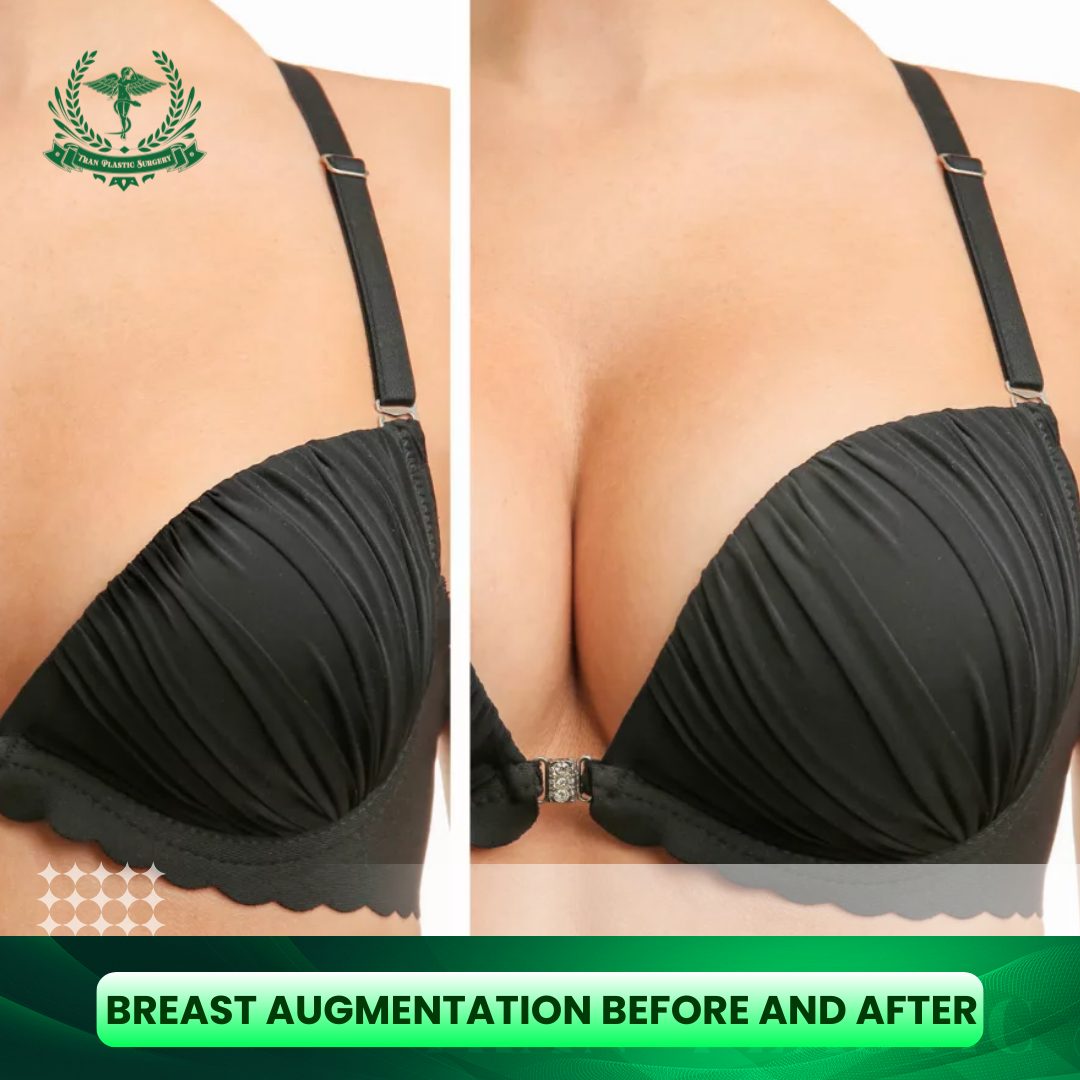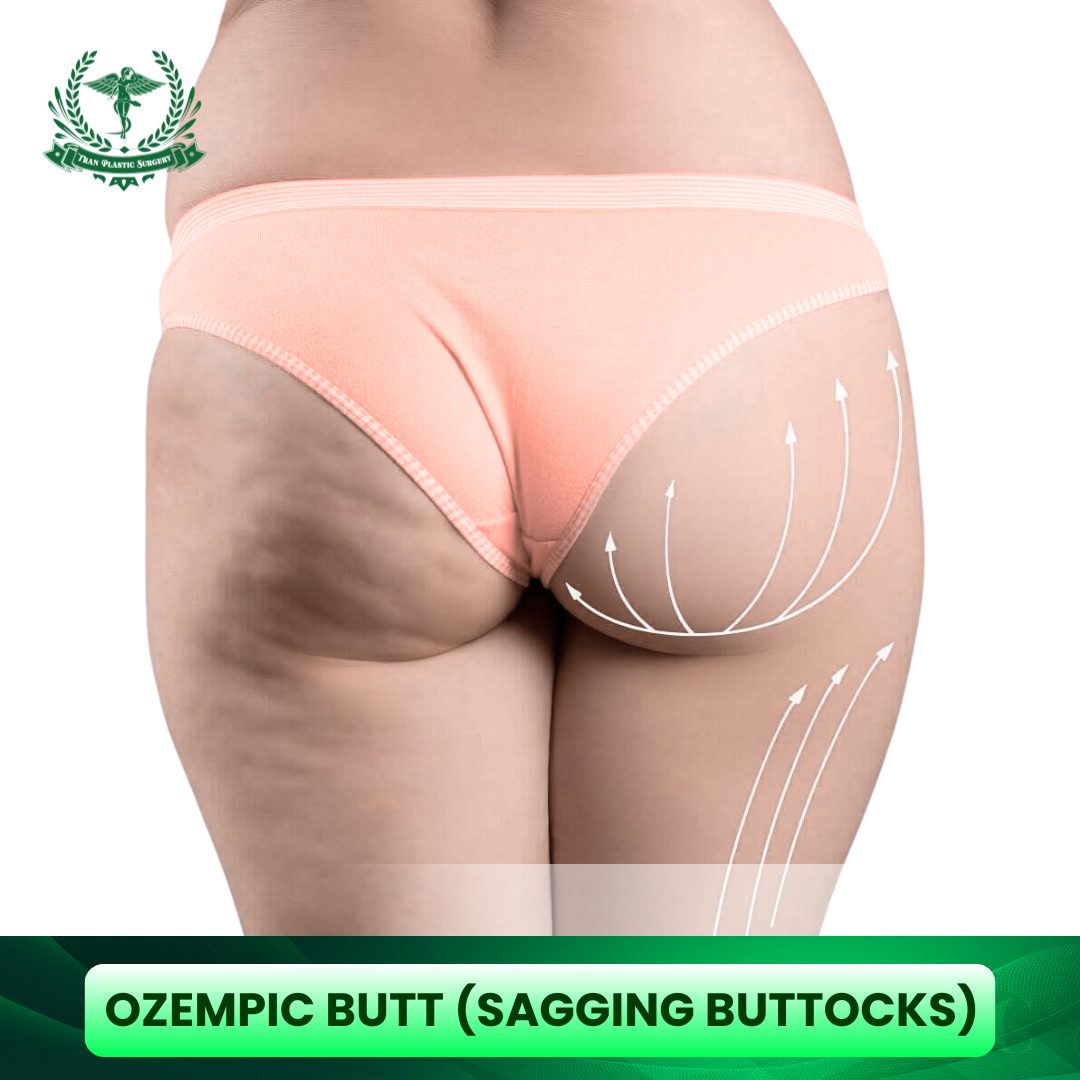
The Ozempic Butt phenomenon describes a specific type of deflation where rapid weight loss strips away both fat and muscle, leaving behind saggy glutes that a standard BBL often cannot fix. If you are debating Butt Implants vs BBL, this guide explains why structural implants are the superior choice for restoring your curves. In this detailed guide, Tran Plastic Surgery will explore why your anatomy has changed and why gluteal implants are reclaiming their status as the gold standard for restoring the posterior.
1. What Is The Ozempic Butt Condition?
Ozempic Butt is medically distinct from the natural aging process or standard diet-induced weight loss. It is an accelerated form of deflation that hits the body hard and fast. Clinically, this condition is characterized by severe volume loss and ptosis (sagging). When you lose weight rapidly on medication, your body enters a state of systemic lipolysis. Unlike liposuction, which targets specific problem areas, these drugs signal your body to mobilize energy from everywhere at once.
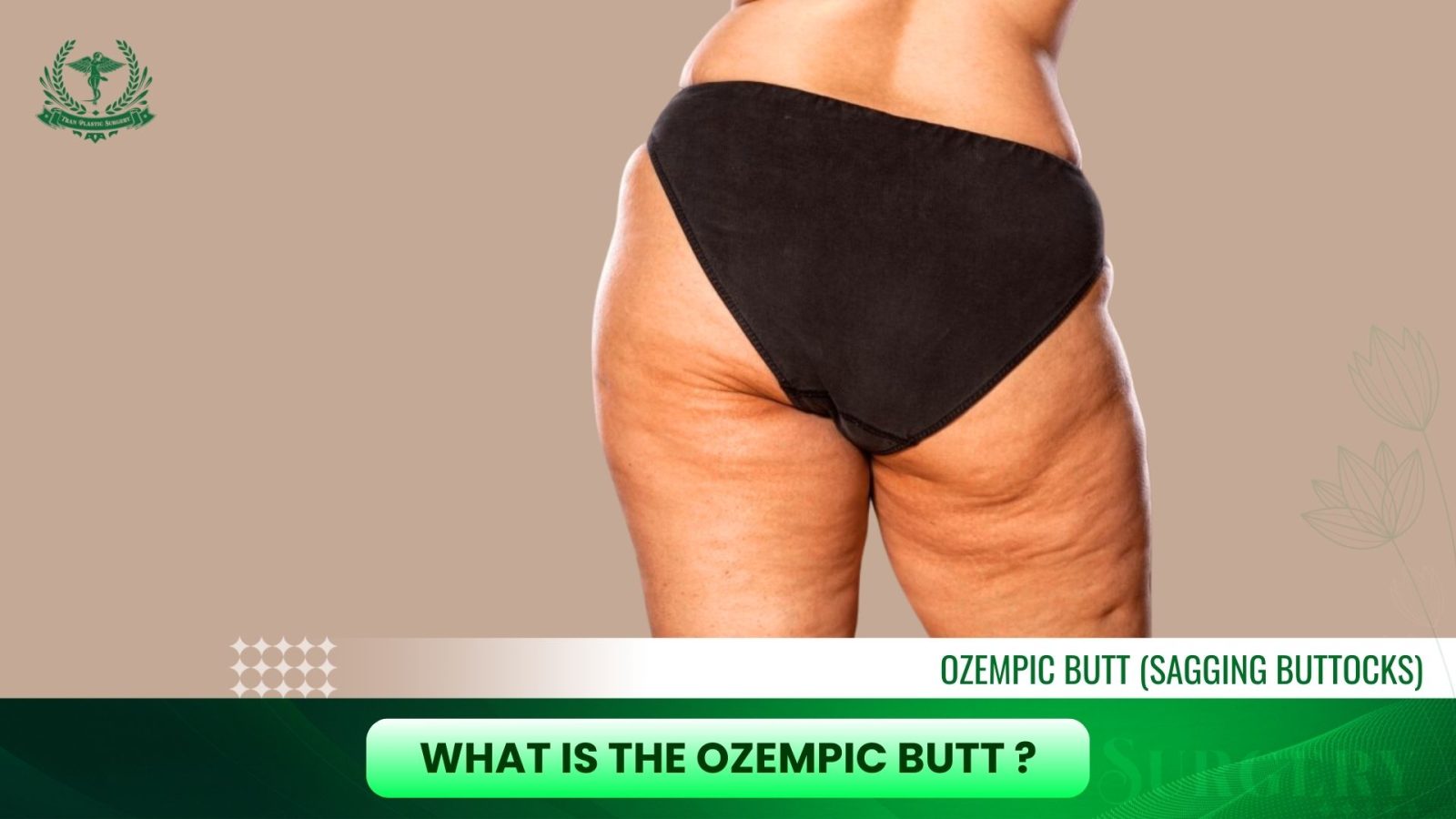
The subcutaneous fat layer that provides your buttocks with their natural cushion and roundness is stripped away. This rapid fat depletion is why the Ozempic Butt phenomenon often leaves behind a shape that patients describe as flat, long, or droopy.
1.1. Why Rapid Weight Loss Changes Gluteal Anatomy?
To understand the solution, you must first understand the problem. The condition differs significantly from the deflation seen in standard aging or gradual diet changes.
a. The Hidden Muscle Wasting Factor
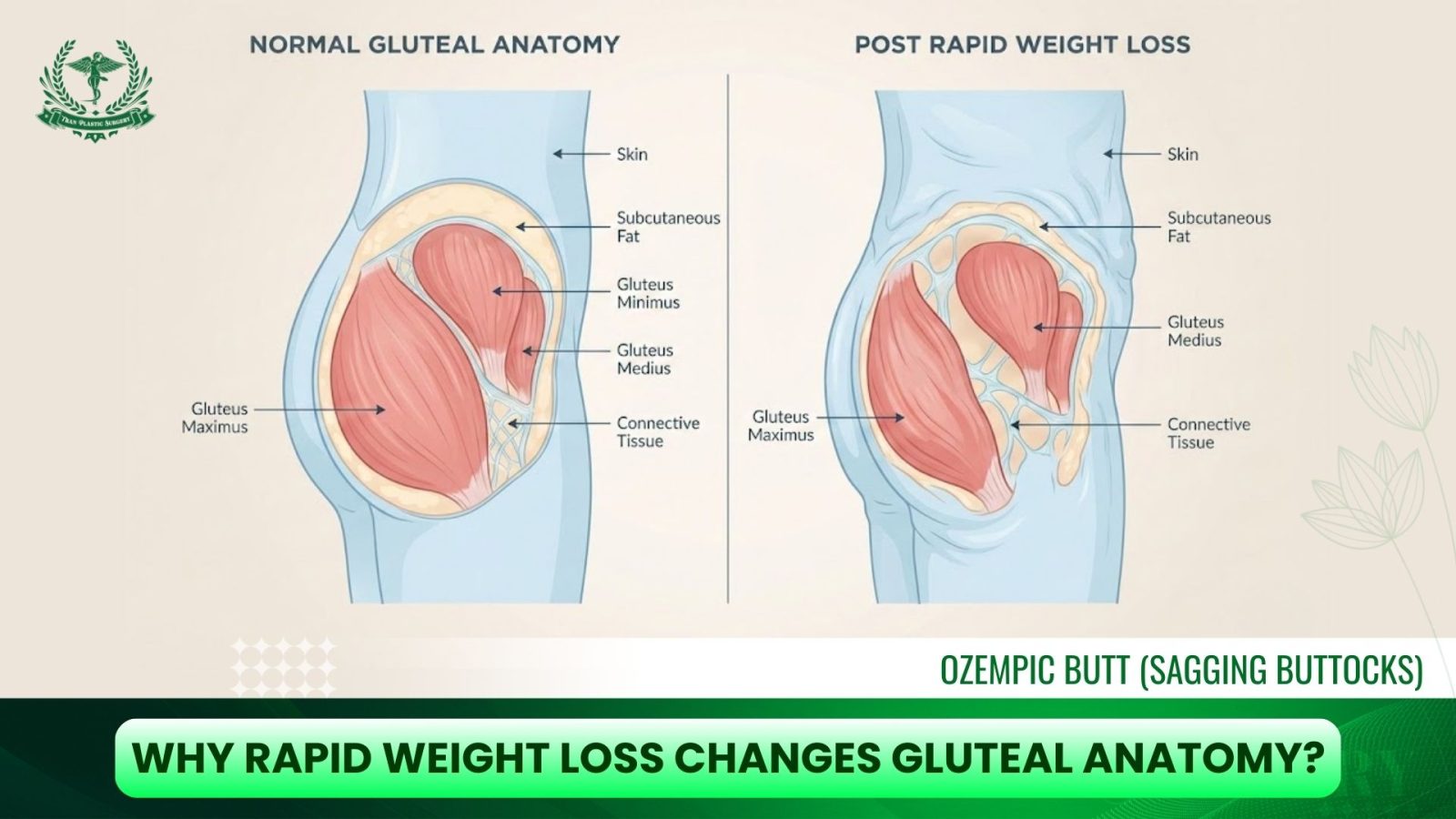
The most critical factor many patients overlook is muscle wasting. Health experts estimate that during rapid weight-loss phases, a significant portion of the weight lost is lean muscle mass, not just fat. The gluteus maximus is the most important muscle in your body and acts as the primary “shelf” for your buttocks. When this muscle shrinks due to a catabolic metabolism, your buttocks don’t just get smaller; they lose their foundation. The projection flattens against your tailbone, creating a “long back” appearance often associated with the Ozempic Butt phenomenon.
b. Why Your Skin Fails To Snap Back
The final piece of the puzzle is the “empty envelope” effect. Because the weight loss happens so quickly, your skin’s elasticity cannot keep up. The skin remains stretched out while the internal volume of fat and muscle vanishes. This results in saggy glutes and the formation of a “banana roll” or folds of loose skin beneath the buttock crease. Filling this loose, empty envelope requires a significant amount of stable volume to effectively treat Ozempic Butt, something that your own body may no longer be able to provide.
2. The Hidden Reason A Skinny BBL Might Leave You Disappointed
If you’ve been researching procedures like “Skinny BBL” or searching phrases such as “no fat for BBL,” you’re probably hoping a skilled surgeon can gather enough fat to rebuild your curves. While the Skinny BBL is an excellent option for naturally slender patients, it often leads to frustration for individuals dealing with the unique challenges of an Ozempic Butt.
2.1. The Problem With Donor Site Depletion
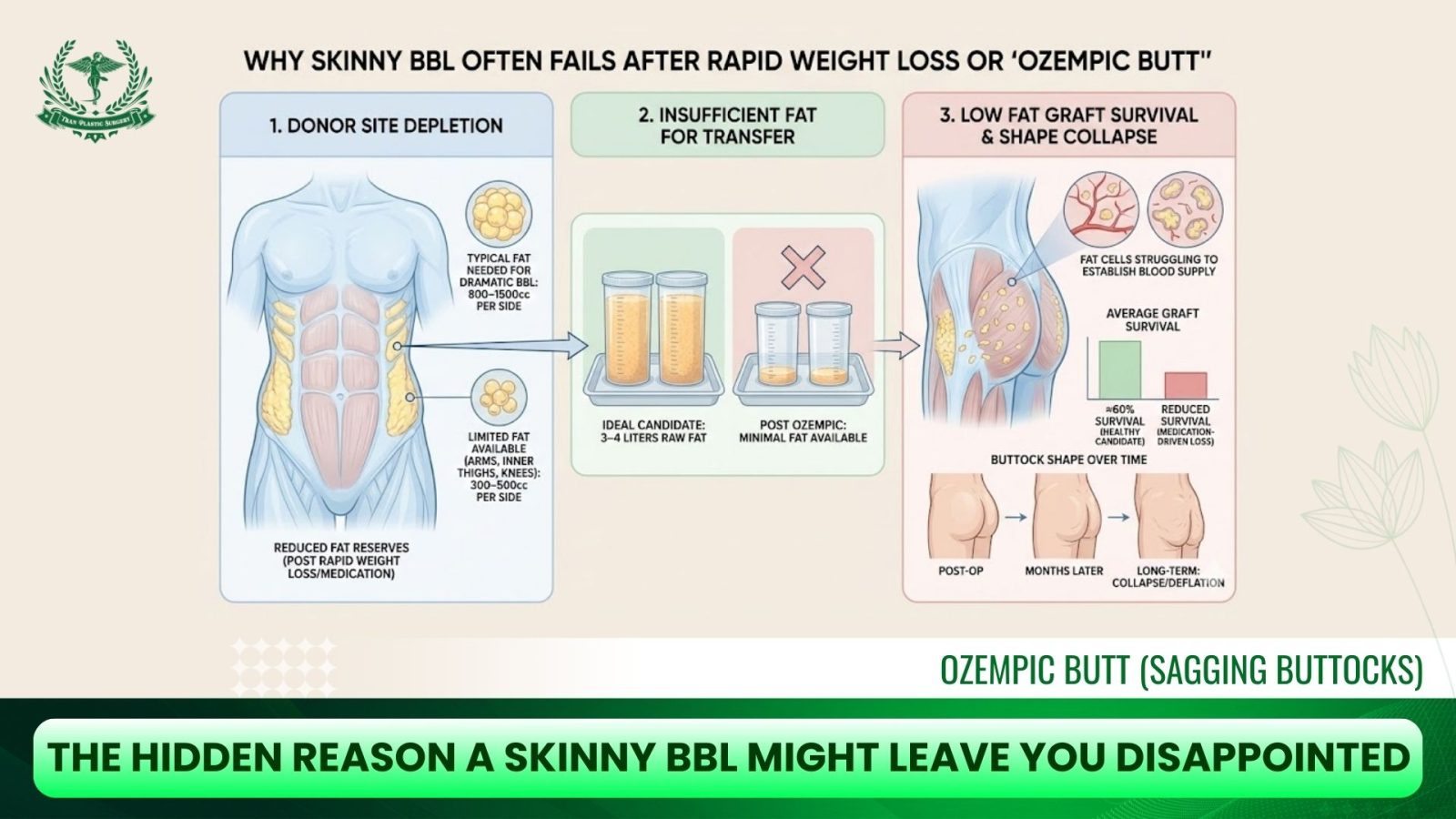
A dramatic, shapely BBL usually requires harvesting 800cc to 1,500cc of purified fat per side, which means surgeons must extract 3 to 4 liters of raw fat from the body. But after significant weight loss with semaglutide, most patients no longer have meaningful fat reserves in key donor areas such as the abdomen, flanks, or back.
Surgeons may attempt to collect fat from the arms, inner thighs, or knees. Yet, these areas often produce only 300cc to 500cc per side, barely enough to soften hip dips, but rarely sufficient to rebuild the loose, deflated appearance that characterizes an Ozempic Butt.
2.2. Why Your Metabolism Is Fighting The Fat Graft
Fat grafting is a transplant. The relocated fat cells must establish a blood supply to survive, and in ideal candidates, roughly 60% of the fat survives long term. However, patients using weight-loss medications remain in a metabolic state that actively resists fat storage.
Your body is programmed to burn fat, not maintain it, making graft retention far less predictable. Studies show that individuals experiencing rapid or medication-driven weight loss often have significantly lower graft survival rates. This means the “liquid gold” transferred during surgery can be metabolized within months, causing the classic collapse associated with an Ozempic Butt and leaving patients disappointed with their results.
>>> Read more: Brazilian Butt Lift vs. Butt Implants: Which Is Better?
3. How Tran Plastic Surgery Restores Confidence When Fat Is Scarce
At Tran Plastic Surgery, we specialize in addressing the unique aesthetic challenges faced by weight-loss patients, especially those struggling with the flat, deflated look commonly known as an Ozempic Butt. Dr. Tuan Tran recognizes that performing a traditional BBL on someone with minimal fat reserves is not only biologically unrealistic but also leads to disappointing, short-lived results.
Our surgical philosophy is built on the concept of “Restore & Enhance.” Instead of simply adding volume, our goal is to rebuild the structural support your body lost during medication-driven weight reduction. During your consultation, Dr. Tran uses advanced Crisalix 3D imaging to compare how your body would look with a low-volume fat transfer versus the lifted, sculpted, and permanent shape achievable with a gluteal implant, an essential tool for patients experiencing an Ozempic Butt transformation.

We treat hundreds of individuals who feel discouraged by a lingering “saggy” or empty appearance despite consistent gym training. By acknowledging the reality of muscle loss and donor-site depletion, Dr. Tran designs a fully customized surgical plan. This may include implants, a hybrid composite approach, or a lifting procedure to restore balance, projection, and long-lasting contour effectively addressing the root causes of an Ozempic Butt while giving you a result that feels proportionate, natural, and truly confidence-boosting.
4. Why Silicone Implants Are The Secret To Restoring Your Curves?
For patients struggling with the classic flat, deflated look of an Ozempic Butt, the lack of biological building blocks for fat and muscle makes prosthetic solutions the most reliable medical option. Gluteal implants aren’t a “backup plan”; they are the gold-standard treatment for the post-weight-loss body type where fat reserves are depleted, and muscle volume has diminished.
4.1. Guaranteed Volume That Never Fluctuates
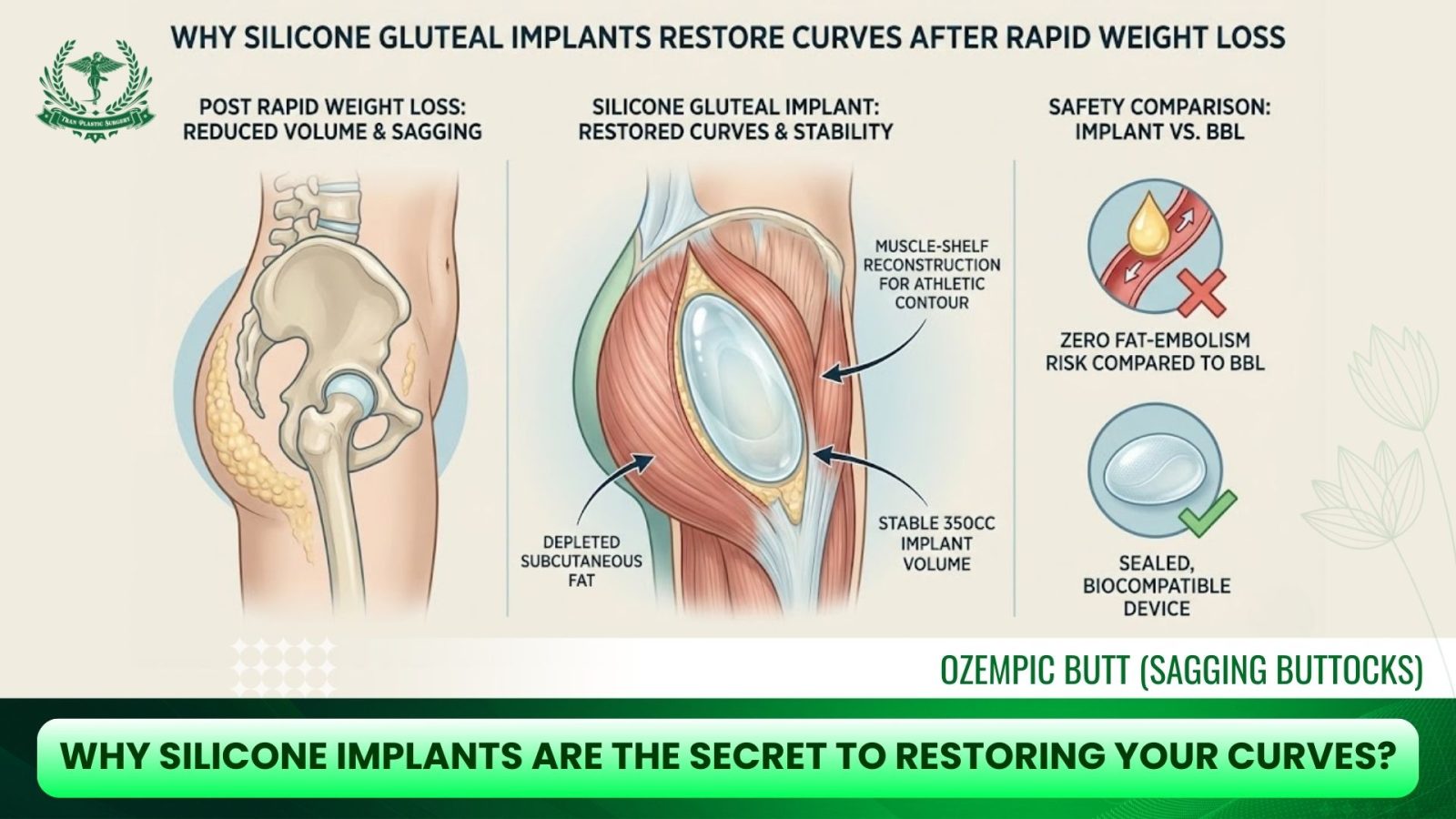
The most significant advantage of implants is absolute predictability. A 350cc cohesive silicone implant will always remain 350cc, regardless of future weight changes. It won’t shrink during maintenance dosing of GLP-1 medication, and it cannot be metabolized by your body.
For patients dealing with an Ozempic Butt, this “weight-stable” consistency offers a permanent foundation that fat transfer simply cannot deliver. You get long-term shape, projection, and symmetry completely unaffected by future lifestyle or medication adjustments.
4.2. Rebuilding The Muscle Shelf
Implants act as a prosthetic gluteus muscle. For patients suffering from gluteal atrophy, the implant replaces the lost muscle mass in the upper pole of the buttocks. This restores the sporty, lifted “shelf” that gives the buttocks a youthful, athletic look. Fat is soft and amorphous; implants are defined and structural. They provide the internal tension needed to push out against the sagging skin, smoothing wrinkles from the inside out.
4.3. The Safety Profile You Cannot Ignore
The BBL has a controversial safety history regarding Fat Embolism Syndrome (FES), which occurs if fat enters the bloodstream. While safe in expert hands, the risk exists. Gluteal implants carry zero risk of fat embolism because no tissue is injected into the veins. For health-conscious patients who have prioritized their longevity through weight loss, the safety profile of implants is often the deciding factor.
5. The Intramuscular Technique That Makes Ozempic Butt Implants Look and Feel Real
One of the biggest concerns patients have about implants is looking “fake” or having visible edges, but this fear is outdated. With today’s advanced methods used at Tran Plastic Surgery, even patients struggling with the flat, deflated shape of an Ozempic Butt can achieve gluteal enhancement that looks and feels completely natural.
5.1. Why Placement Matters More Than Size
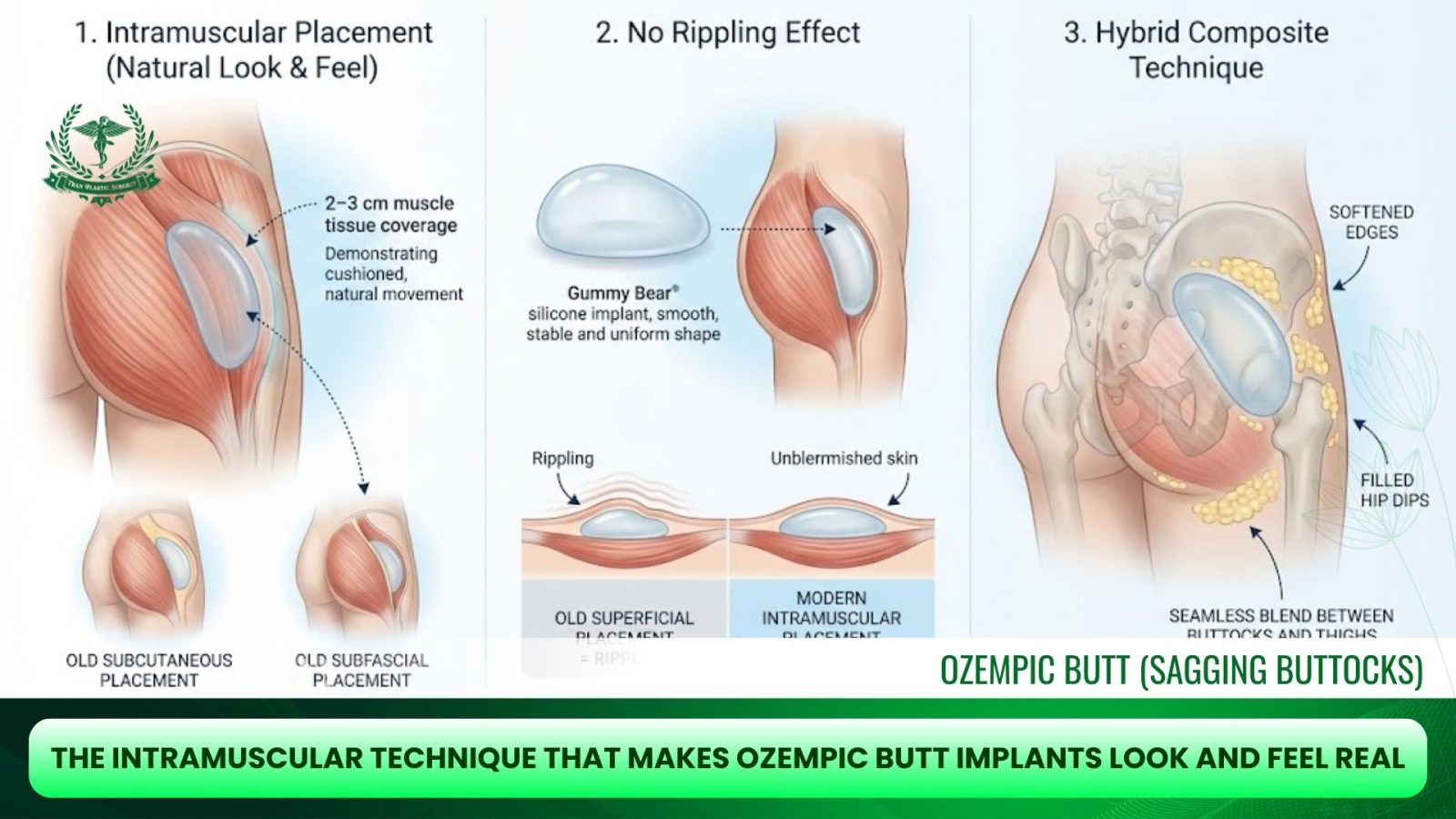
The secret to a natural-looking result lies in the placement of intramuscular implants. Years ago, implants were placed beneath the skin or fascia, which often created harsh lines and visible borders. Modern surgeons now position the implant inside the fibers of the gluteus maximus muscle.
This provides 2–3 centimeters of living tissue coverage, creating a thick, cushioned layer that moves seamlessly with your body. When you walk, the implant moves like a muscle. When you touch the area, you feel your own tissue, not the device beneath it.
5.2. Banning the Rippling Effect
Rippling, visible wrinkling of the implant, was once a major worry for thin patients. By placing the implant deep within the muscle, this issue is virtually eliminated. At Tran Plastic Surgery, we also use high-cohesive “Gummy Bear” silicone implants that maintain their shape and resist folding or wrinkling.
This combination ensures a smooth, round contour even in patients with minimal soft tissue, including those experiencing an Ozempic Butt after medication-driven weight loss.
5.3. The Hybrid Composite Solution
For patients seeking the most refined and undetectable results, Dr. Tran frequently performs a Composite Butt Augmentation. This hybrid method pairs a moderately sized implant for core volume with small, strategic fat grafts harvested from areas such as the arms or inner knees. The added fat smooths transitions, fills hip dips, and softens edges, creating a flawless blend between the buttocks and thighs that looks naturally sculpted from every angle.
6. Fix The Sag Requires More Than Just Volume Replacement
Implants fill the volume, but they cannot always fix severe skin laxity. If your Ozempic butt hangs low with a deep crease, you may need to address the skin envelope itself.
6.1. The Role Of A Surgical Butt Lift
For true ptosis (sagging), volume is not enough. You may require a posterior body lift or a buttock lift. This involves removing a strip of excess skin from the top of the buttocks or the lower back. This physically lifts the entire buttock complex back to its youthful position. When combined with an implant, this provides the most dramatic transformation, lifting the tissue and filling the volume simultaneously.
6.2. Non-Surgical Skin Tightening
For patients with mild to moderate laxity who want to avoid longer scars, we use internal heating technologies such as Renuvion or BodyTite. These probes are inserted under the skin during surgery to heat the fibrous septal network, causing the skin to “shrink-wrap” around your new implant. This is a powerful addition to the Skinny BBL or implant procedure for weight loss patients.
7. The Honest Cost Of Getting Your Body Back After Semaglutide
When researching the cost of butt implants in 2025, it’s essential to understand the proper financial and recovery expectations, especially for patients seeking to correct the flat, deflated look commonly associated with an Ozempic Butt.

7.1. Understanding The Financial Investment
Gluteal implants generally require a higher financial investment than a standard BBL due to the high-grade silicone devices and the technical precision required for intramuscular placement.
- Gluteal Implants: Typically range from $8,000 to $15,000+
- Standard BBL: Typically ranges from $7,000 to $12,000
- Composite/Hybrid: A premium approach combining implants with liposuction and fat grafting, ranging from $15,000 to $25,000
For patients correcting an Ozempic Butt, implants often become the most cost-effective long-term option because they deliver a permanent shape that does not fluctuate with future weight changes.
7.2. The Recovery Reality Check
Regardless of whether you choose implants or a BBL, recovery is heavily focused on pressure management. For the first 2 to 3 weeks, you must avoid sitting directly on your buttocks. Most patients use a BBL pillow or lie on their stomach to protect the surgical area.
Implant recovery is often described as feeling “tight” due to muscle stretching, but the healing process is predictable and manageable when following proper instructions.
7.3. Durability For The Active Lifestyle
Ozempic patients often transition to highly active lifestyles, including running and weightlifting. Implants offer superior durability for athletes. Fat grafts can be “burned off” by intense cardio and marathon training. Intramuscular implants, once healed (typically 3-6 months), are stable and do not fluctuate with your activity level, ensuring you keep your curves while you crush your fitness goals.
*Related article topics:
8. Determining The Perfect Time To Schedule Plastic Surgery
Timing matters more than most patients realize. You cannot rush the transition from weight-loss success to surgical enhancement, especially when correcting the shape changes associated with an Ozempic Butt.
8.1. The Stabilization Rule
One of the most common mistakes patients make is scheduling surgery too early. Medical consensus recommends maintaining weight stability for 3 to 6 months before undergoing gluteal implants or a BBL.
If you lose another 15–20 pounds after surgery, implants may become more visible. If you gain weight, your proportions may shift in unpredictable ways. Stability creates the conditions for the most natural, lasting results critical for anyone treating the deflated contours of an Ozempic Butt.
8.2. The Washout Period
Before surgery, you must stop taking GLP-1 agonists (Ozempic, Wegovy, Mounjaro) for one to two weeks. These medications delay gastric emptying, which increases the risk of aspiration under anesthesia.
At Tran Plastic Surgery, strict safety protocols ensure your stomach is completely empty, and your surgery is performed in the safest possible conditions.
8.3. Take the Next Step With Tran Plastic Surgery
The journey from an Ozempic Butt to a sculpted, confident silhouette is the final chapter of your transformation. You’ve already done the hard work by losing the weight, now it’s time to restore the curves and structure that medication may have taken away.
Whether you qualify for a Skinny BBL, a composite hybrid procedure, or intramuscular gluteal implants, expert evaluation is essential to navigate your unique anatomy after weight loss.
Contact Tran Plastic Surgery today to schedule your comprehensive consultation. Dr. Tran will design a personalized surgical plan that aligns with your goals and restores the shape you’ve worked so hard to achieve.