1. Surgical Breast Augmentation: The Permanent Solution for Volume and Shape
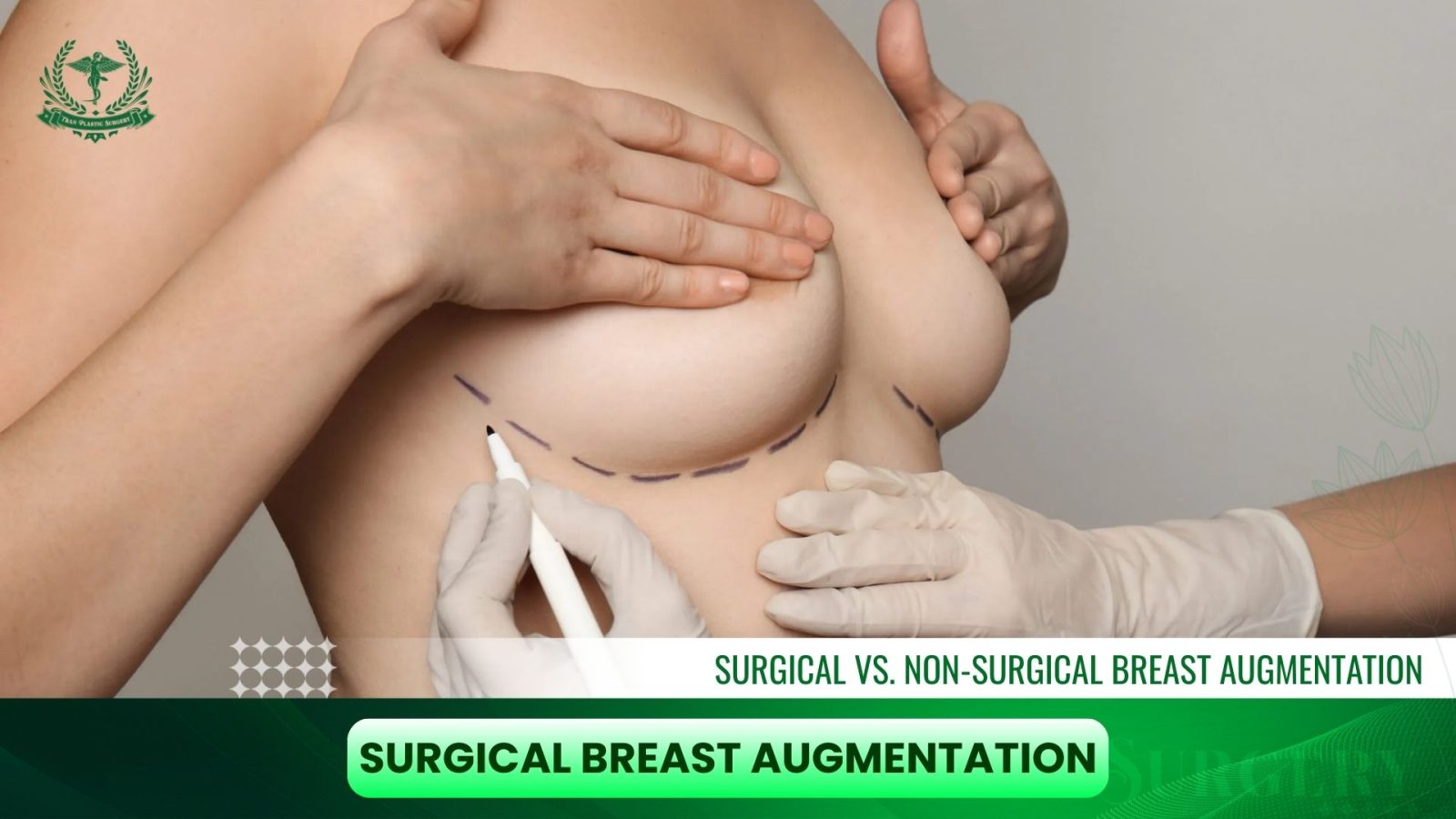
When we talk about achieving a dramatic or highly specific aesthetic goal, surgical breast augmentation remains the undisputed leader in plastic surgery. While non-invasive treatments can improve skin quality, surgery is the only method capable of structurally changing the breast footprint, correcting significant asymmetry, or creating cleavage where there was none before.
Modern surgical augmentation is no longer about simply inserting a device to add size. It is an architectural process designed to harmonize the bust with the hips and waist. Depending on your body type and goals, there are three distinct surgical pathways to consider.
1.1. The Implant Approach
For patients desiring a guaranteed cup size increase or a specific breast shape, implant breast augmentation is the primary choice. This method involves surgically placing a medical-grade saline or silicone shell either behind the breast tissue or beneath the chest muscle.
The technology behind these devices has advanced significantly. The current market standard favors ergonomic silicone implants. Unlike the rigid, round implants of the past, these modern devices are designed to mimic the movement of natural tissue. They hold a round shape for fullness when you are lying down, but settle into a natural, sloping teardrop shape when you stand up. This dynamic movement eliminates the stuck-on appearance that many patients fear, offering a result that looks authentic even with significant volume increases.
1.2. Fat Transfer Breast Augmentation
For those who prefer a completely biological approach, fat transfer breast augmentation offers a dual benefit. This procedure does not use foreign materials. Instead, the surgeon uses liposuction to harvest fat from areas where you might have excess, such as the abdomen, thighs, or flanks, and carefully injects it into the breast mound.
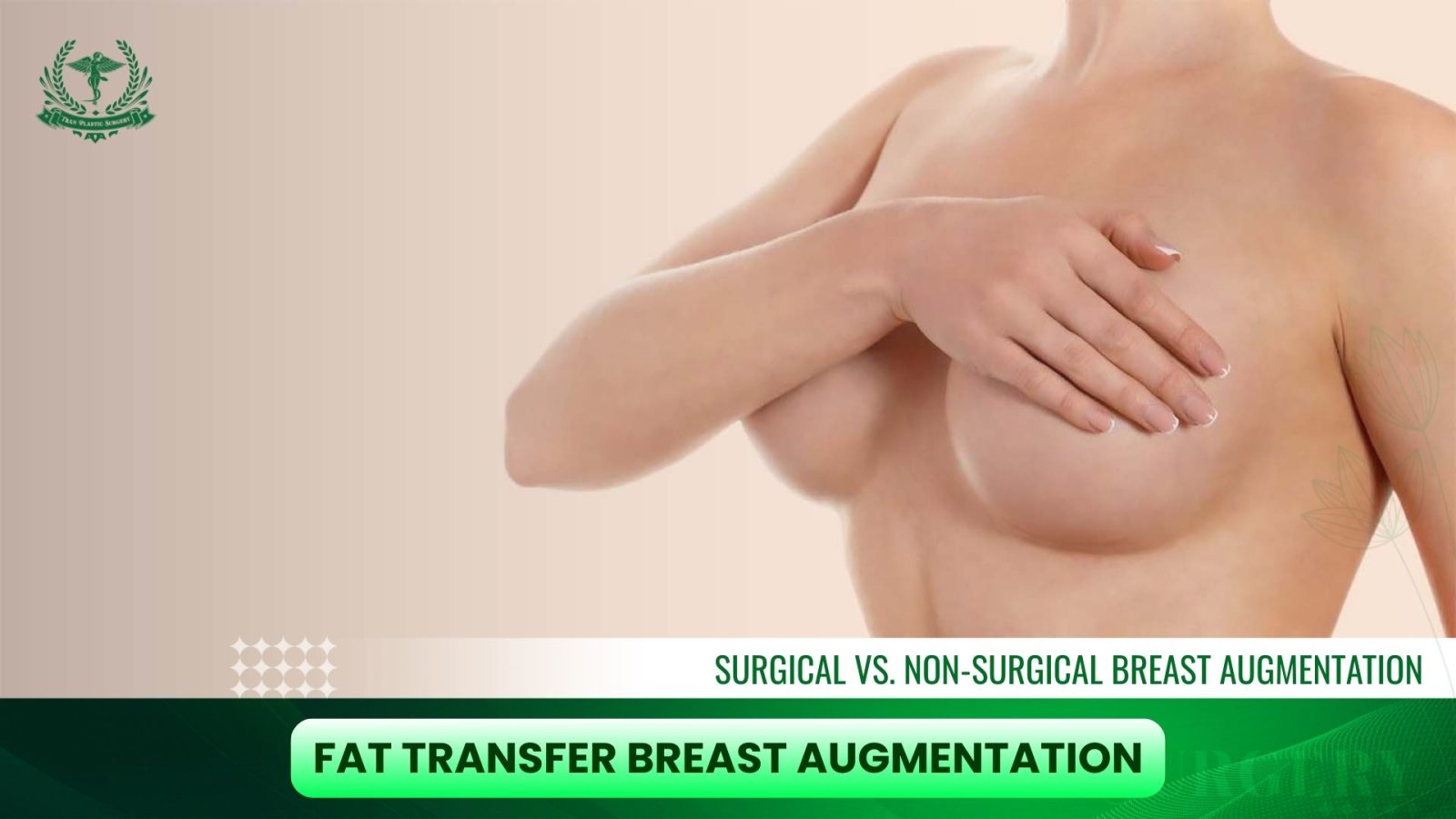
This technique is often called natural breast augmentation. It is ideal for athletic patients or those looking for a subtle fluffing of the upper pole rather than a major size change. The primary advantage here is the feel; because it is your own tissue, the augmented breast is indistinguishable from a natural one by touch. However, it is important to note that this method relies on your body’s ability to retain the transferred fat, meaning the volume increase is typically limited to one cup size per session.
1.3. Hybrid Augmentation
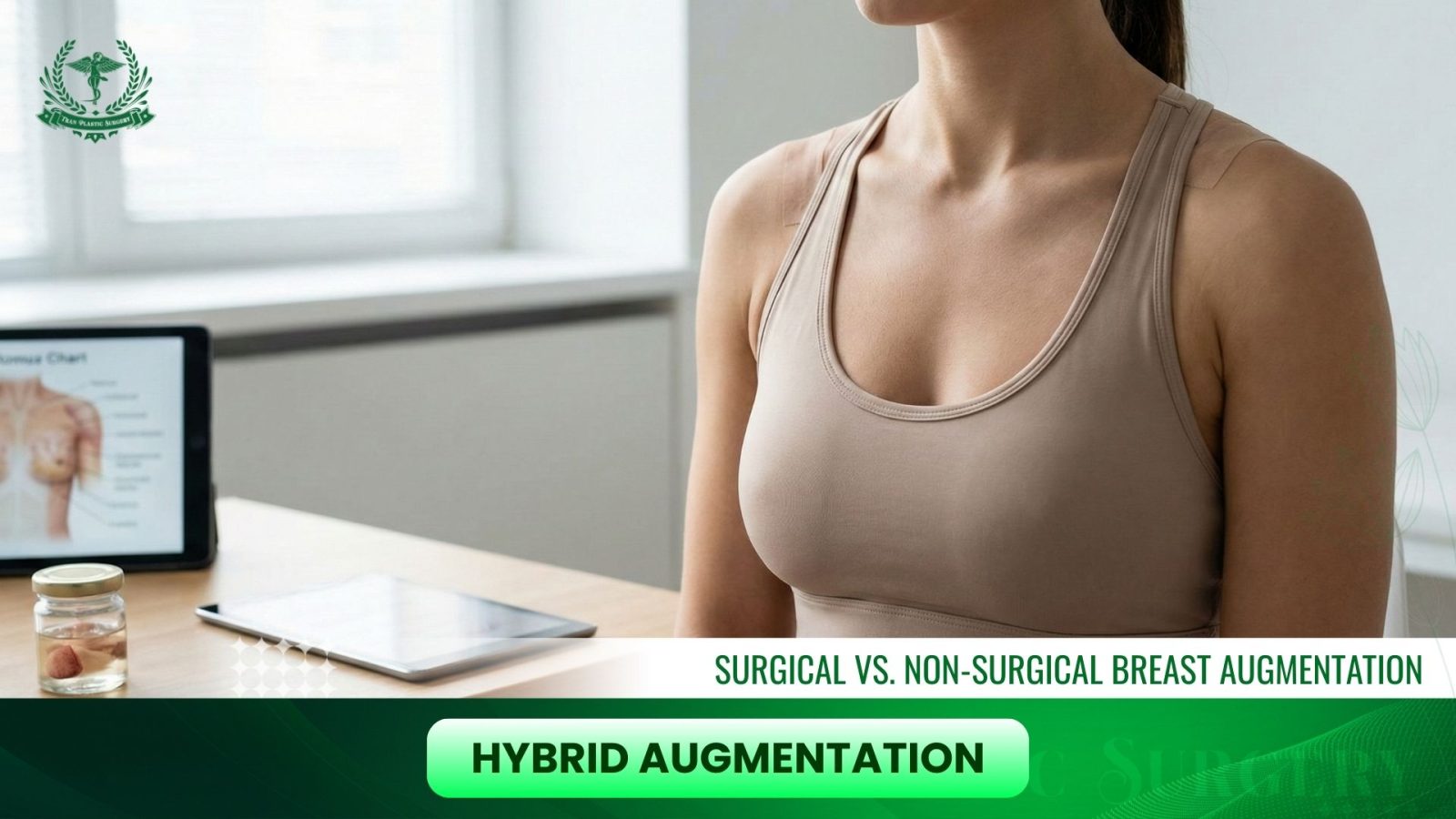
A rapidly growing preference among women with very thin skin or low body fat is the hybrid breast augmentation. This sophisticated technique solves a common problem: how to get the volume of an implant without seeing the edges or rippling under the skin.
In a hybrid procedure, the surgeon places a smaller implant to provide the core projection and structural lift. They then layer the patient’s own fat over the top of the implant, specifically around the cleavage and upper slope. This glazing effect softens the transition between the chest wall and the breast, hiding the implant completely. It essentially offers the best of both worlds: the reliable volume of an implant with the soft, warm cover of natural tissue.
2. Non-Surgical & Minimally Invasive Options: The Modern Alternative
Who this is for: Patients seeking faster recovery, those with surgery phobia, or anyone wanting subtle refinement rather than major volume.
While surgery provides the most dramatic transformation, not everyone is ready for downtime or implants. The field of aesthetic medicine has bridged the gap with minimally invasive technologies that offer enhancements without the heavy commitment of traditional surgery. However, it is vital to distinguish between medically safe innovations and risky quick fixes.
2.1. Mia Femtech: The 15-Minute Experience
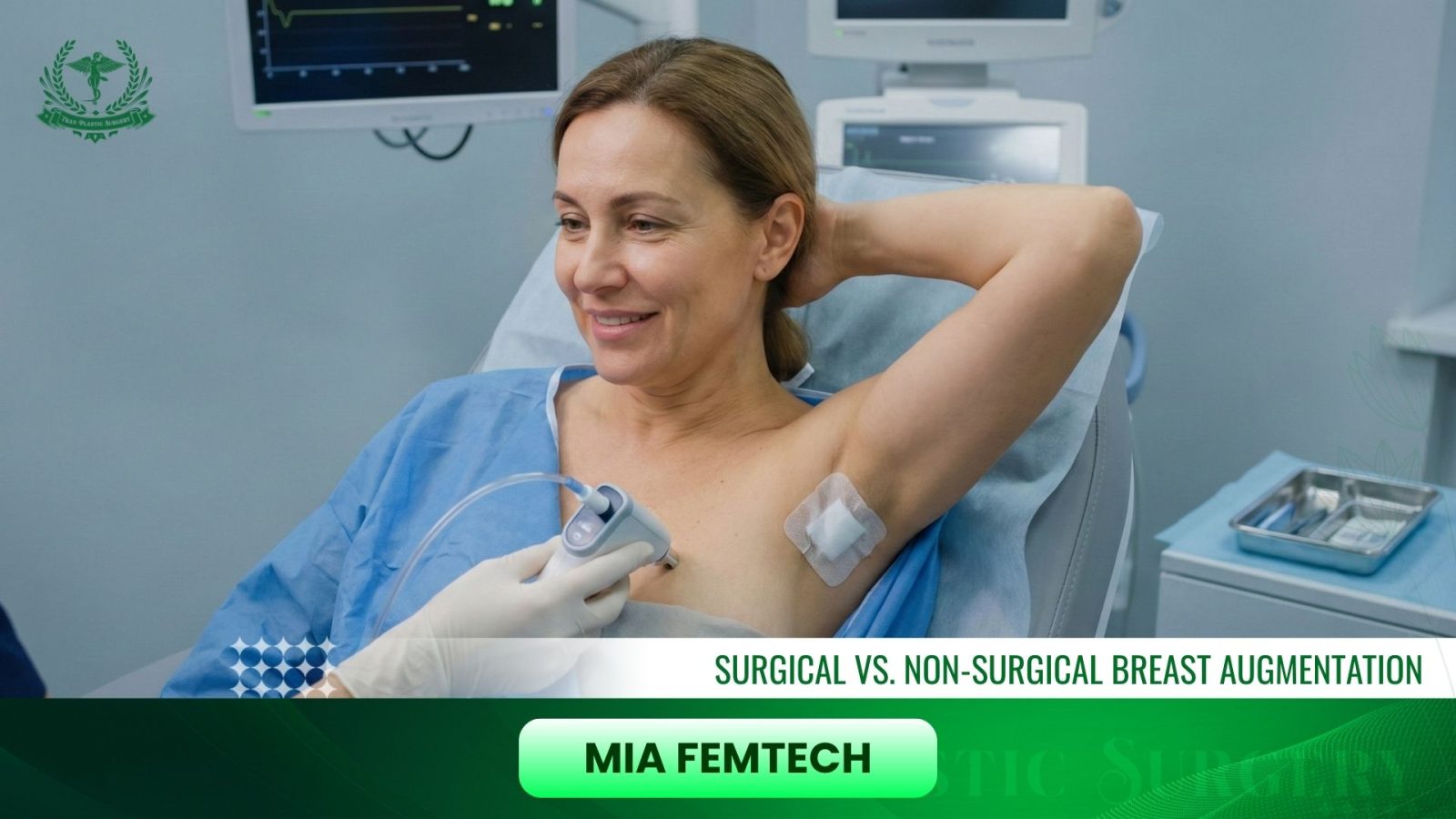
The most significant advancement in recent years is Mia Femtech, a procedure designed to bridge the gap between surgery and non-surgical procedures. Often called the lunchtime breast enhancement, this technique uses a proprietary system to insert a specialized, diamond-shaped ergonomic implant through a tiny access point in the armpit.
Unlike traditional surgery, this method typically utilizes local anesthesia and conscious sedation rather than general anesthesia. The procedure preserves the breast tissue structure because the implant is placed behind the muscle using a nozzle system, avoiding long incisions on the breast itself. Patients typically return to social activities within 24 to 48 hours, making it a preferred choice for busy professionals who want a modest increase (usually one cup size) without the recovery hibernation.
2.2. Injectable Fillers: A Critical Safety Warning
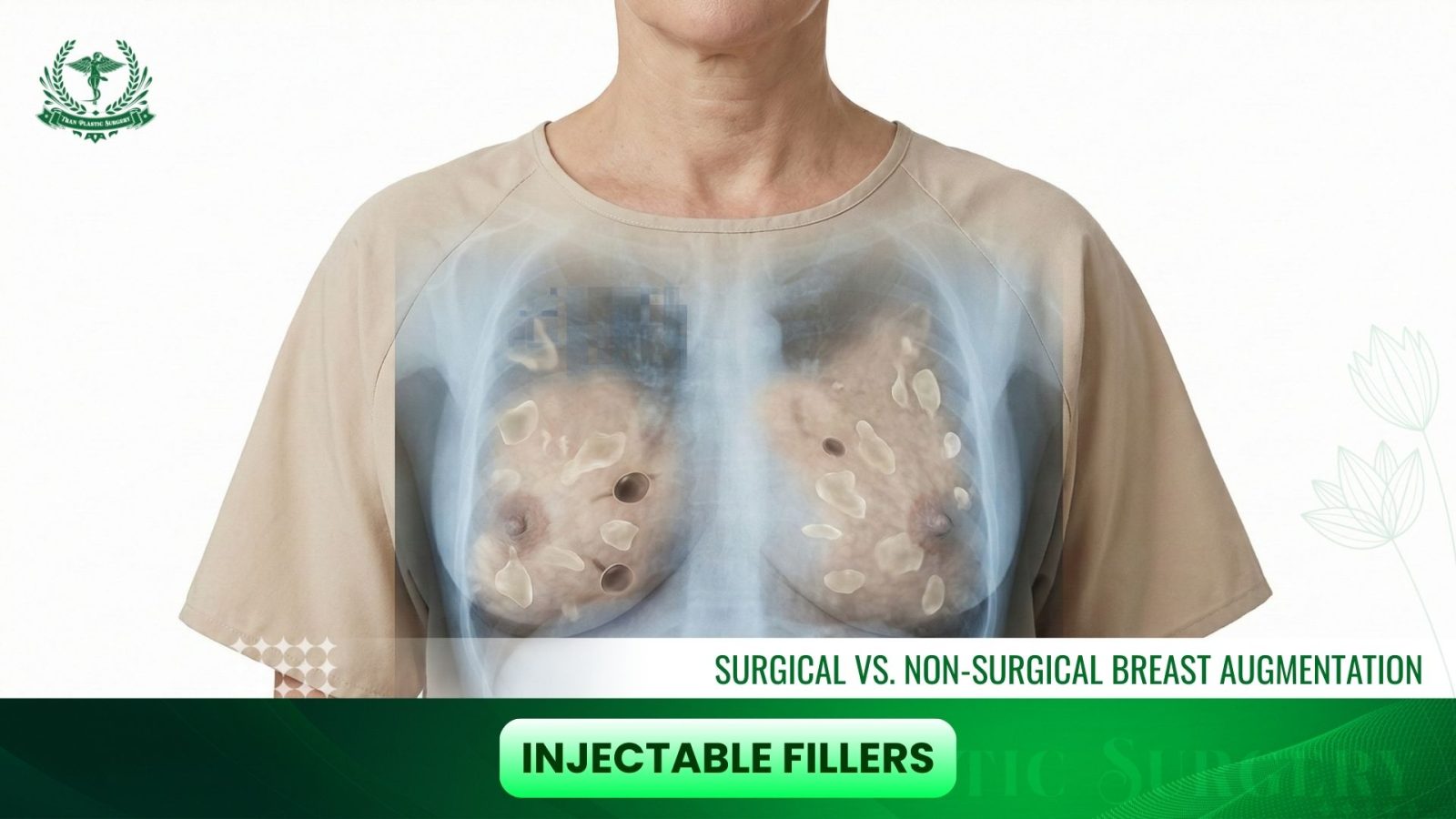
You may see social media trends promoting the Liquid Boob Job using Hyaluronic Acid (HA) fillers or biostimulators like Sculptra. While popular for the face, we advise extreme caution regarding their use in the breast.
From a medical safety standpoint, injecting large volumes of filler into breast tissue carries significant risks. These include the formation of cysts, potential interference with mammograms (making cancer detection difficult), and migration of the product. At Tran Plastic Surgery, we prioritize your long-term health and generally recommend against high-volume filler injections for breast augmentation, reserving injectables only for minor surface irregularities or cleavage touch-ups.
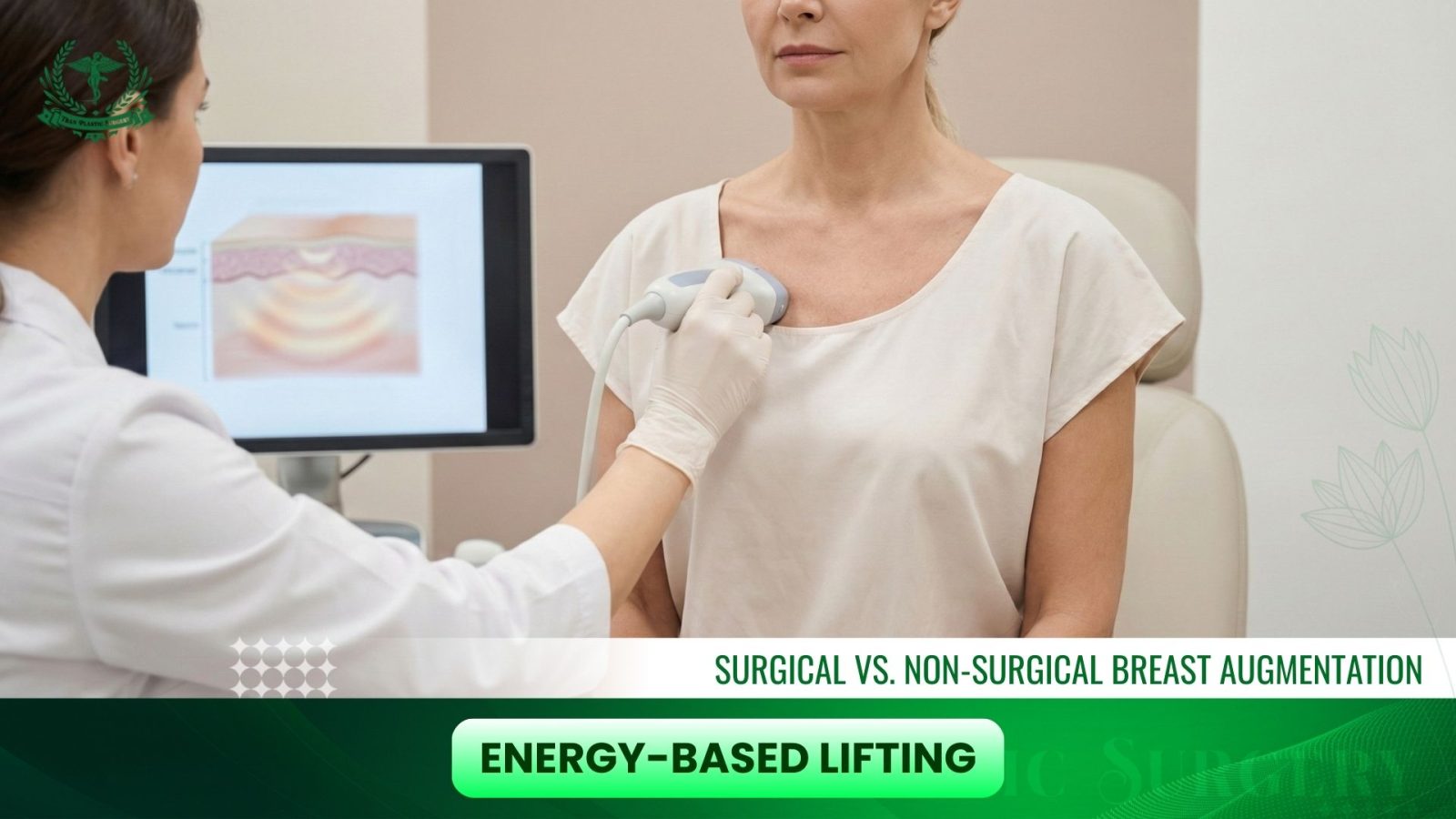
2.3. Energy-Based Lifting (Radiofrequency)
For patients whose primary concern is sagging rather than small size, energy-based treatments offer a non-invasive solution. Technologies utilizing Radiofrequency (RF) or Ultrasound energy heat the deep layers of the skin to stimulate collagen production.
This process tightens existing tissue, providing a subtle perkiness or lift. It does not add volume but can rejuvenate the breast profile after weight loss or breastfeeding. It is an excellent option for those happy with their cup size but unhappy with skin laxity.
>>> Read more: Breast Lift Surgery (Mastopexy): Everything You Need to Know
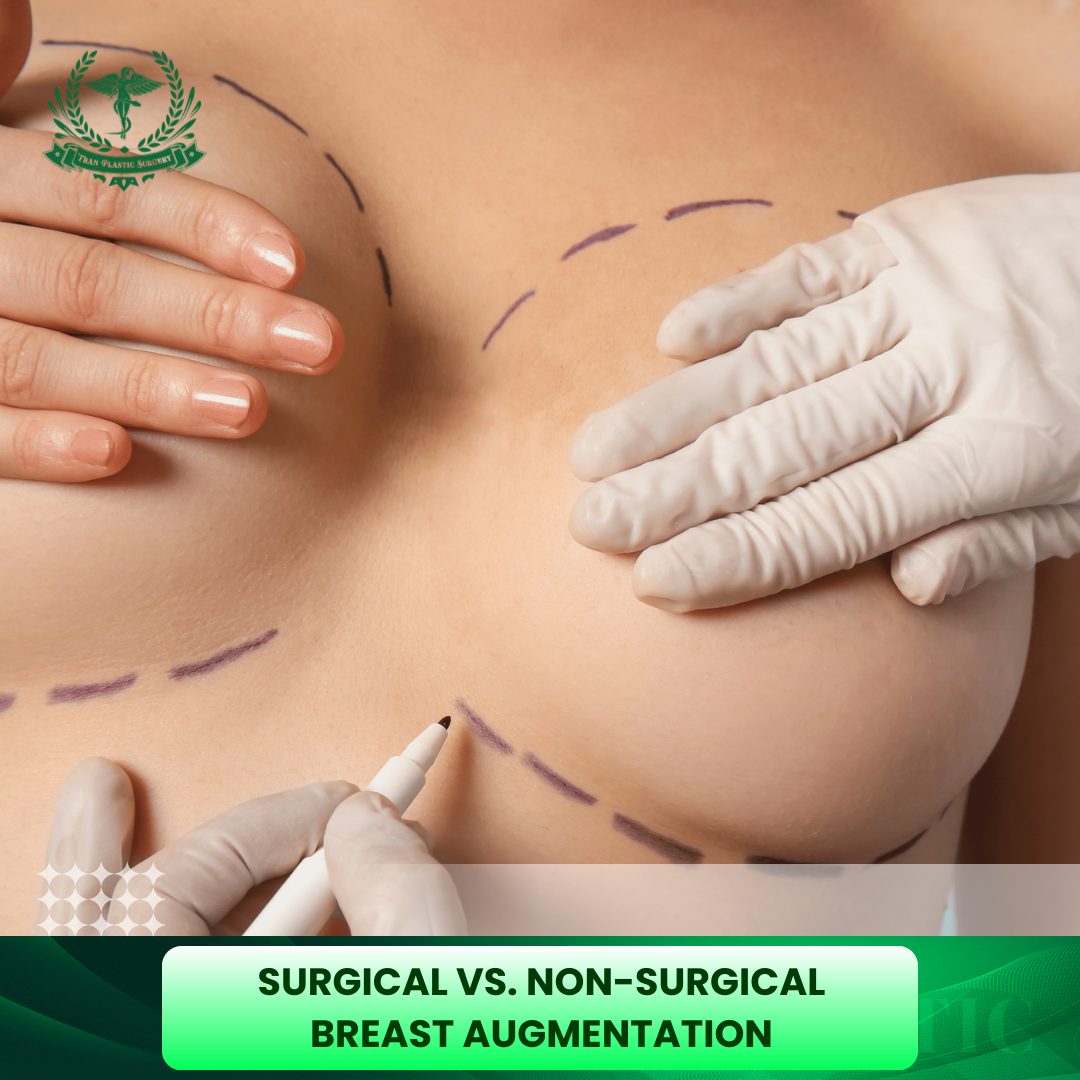
3. Comparison Matrix: Surgical vs. Non-Surgical
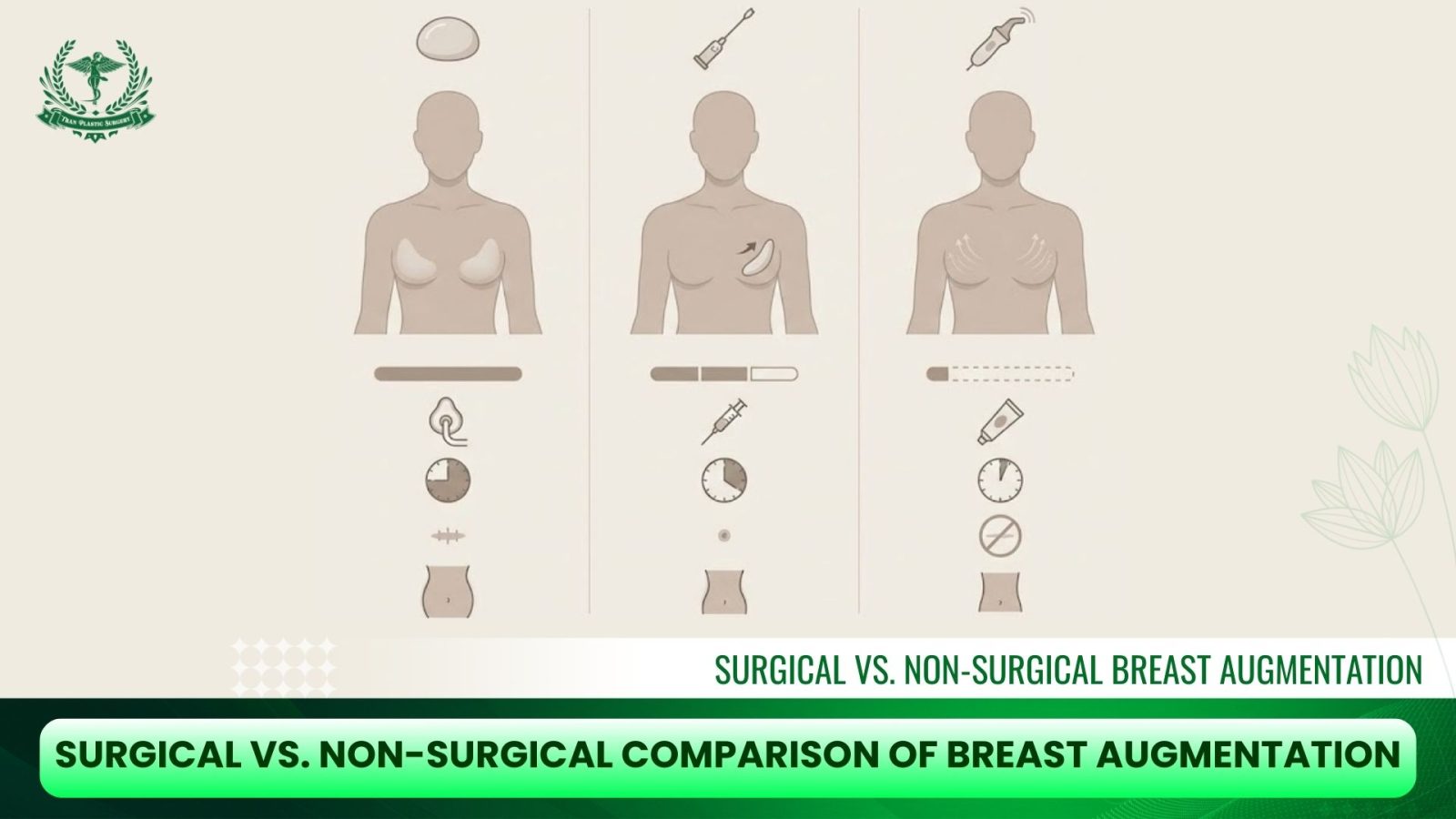
Choosing between these paths requires balancing your desire for results against your tolerance for downtime. This table breaks down the practical differences to help you decide.
| Feature | Surgical (Implants) | Minimally Invasive (Mia) | Non-Surgical (Lifting/RF) |
| Primary Goal | Significant Volume (2+ Cups) | Moderate Volume (1 Cup) | Skin Tightening & Lift |
| Longevity | 10–20 Years (Long Term) | Long Term | 1–2 Years (Maintenance needed) |
| Anesthesia | General Anesthesia | Local / Twilight Sedation | None / Topical Numbing |
| Downtime | 5–14 Days | 1–2 Days | 0 Days (Immediate return) |
| Scars | 3–4 cm (Hidden) | 2 cm (Armpit only) | None |
| Best For | Total Transformation | Busy Lifestyle & Speed | Mild Sagging Correction |
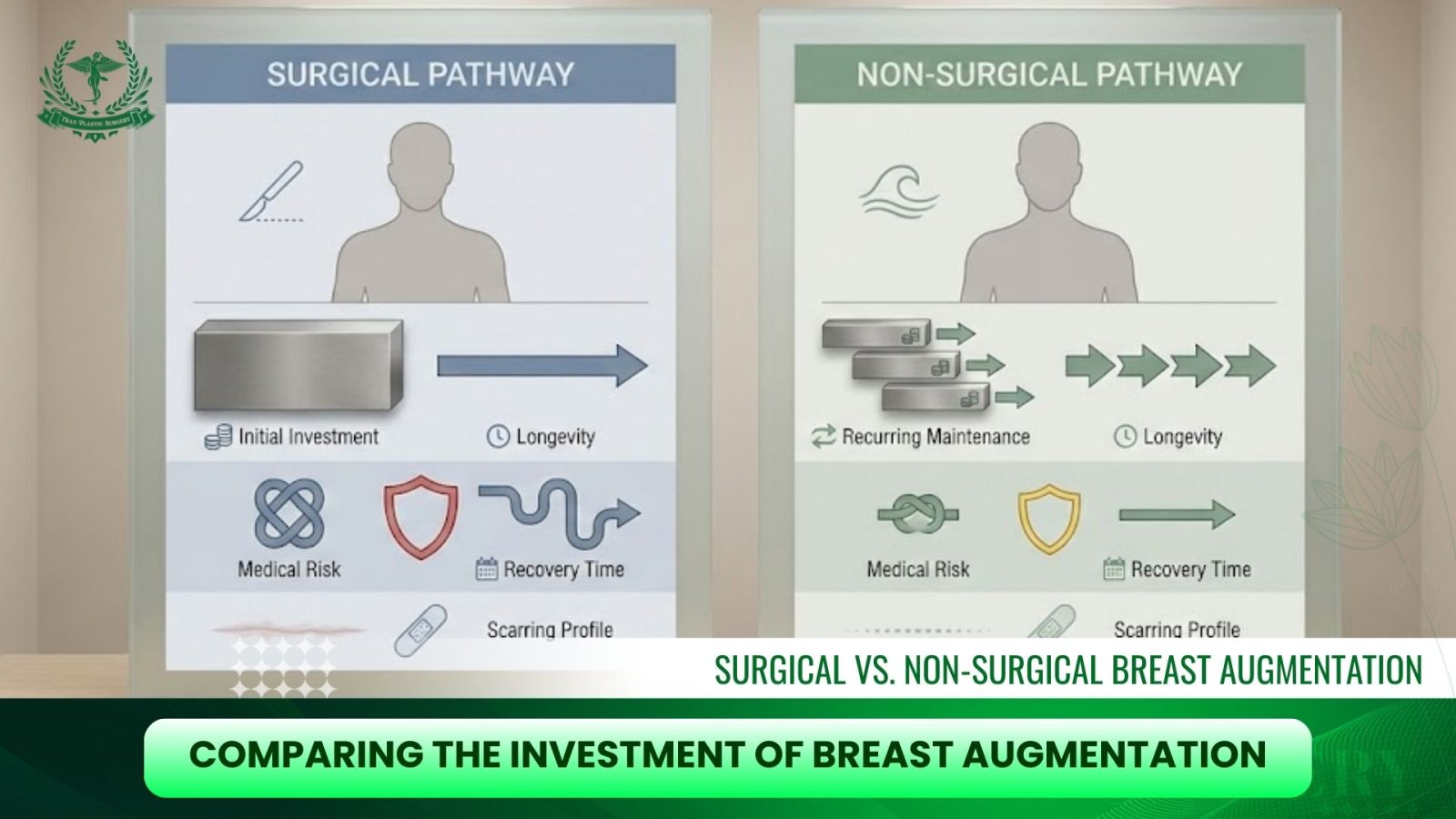
4. Comparing the Investment of Breast Augmentation: Costs, Risks, and Recovery Timeline
Making a decision often comes down to balancing three practical factors: your budget, your tolerance for risk, and your available time for recovery. To help you visualize the price vs. value equation, we have broken down the differences between surgical and non-surgical paths below.
| Feature | Surgical Breast Augmentation (Implants / Fat Transfer) | Non-Surgical / Minimally Invasive (Mia / Injections / Lifting) |
| Financial Investment | Higher upfront cost. Covers surgeon fees, anesthesia, facility, and implants. | Lower initial cost. Seemingly cheaper per session. |
| Long-Term Value (ROI) | One-and-Done investment. Results typically last 10–20+ years, offering better value over time. | Subscription model. Requires maintenance every 1–2 years. Cumulative costs often exceed surgery after 5 years. |
| Primary Medical Risks | Surgical risks. Includes capsular contracture (scar tissue), infection, or rare implant rupture. | Procedural risks. Includes filler migration, lumps, or limited results (disappointment). |
| Anesthesia Profile | General anesthesia. You are completely asleep and monitored by a specialist. | Local/twilight sedation. You are awake but numb; lower risk for those with health issues. |
| Social Downtime (Work) | 5 – 7 days. Most patients take a week off desk work to rest and heal. | 24 – 48 hours. Often called lunchtime procedures, they return to work almost immediately. |
| Physical Activity (Gym) | 4 – 6 weeks. Heavy lifting and high-impact cardio are restricted to ensure proper settling. | 3 – 7 days. You can typically return to the gym much sooner. |
| Scarring | 3 – 4 cm Incision. Placed discreetly in the breast fold or armpit; fades over time. | Minimal to none. Tiny entry points (2mm) or no incisions at all. |
>>> Read more: The Ultimate Guide to Breast Augmentation: What It Is & How It Works
5. Conclusion: Choosing the Right Breast Augmentation Path for Your Body
Deciding between surgical and non-surgical breast augmentation is not just about the procedure; it is about matching your anatomy to your lifestyle. There is no single “best” method, but there is certainly a method that is best for you.
To simplify your decision, we have summarized the ideal candidate for each path below:
5.1. Choose Surgical Breast Augmentation If:
- You want a major transformation: You are looking to increase your size by 2 or more cups.
- You need structural correction: You have significant asymmetry, tuberous breasts, or sagging that requires lifting.
- You want permanence: You prefer a “one-and-done” solution that lasts 10–20 years without annual maintenance.
5.2. Choose Non-Surgical / Minimally Invasive If:
- You want a subtle refinement: You are happy with your general size but want to fill out the top of a bra or improve cleavage.
- You cannot spare the time: Your job or family life makes a 5-day recovery period impossible.
- You are “needle-phobic”: You want to avoid general anesthesia and incisions entirely.
5.3. The Tran Plastic Surgery Difference
Reading about these options is helpful, but seeing them on your own body is empowering. At Tran Plastic Surgery, we remove the guesswork using advanced 3D Simulation Technology.
During your consultation, we scan your measurements and digitally project exactly how different implant sizes or fat transfer volumes will look on your specific figure. You don’t have to imagine the result; you can see it on the screen before you ever step into the operating room.
Ready to find your perfect balance? Whether you choose the artistry of surgery or the convenience of non-invasive care, our priority is ensuring your result looks harmonious and feels natural.