When people think about aging hands, volume loss is often the first concern that comes to mind. However, skin quality plays an equally important role in how youthful the hands appear. Over time, the skin naturally becomes thinner, less elastic, and more prone to fine lines and textural changes. Even when volume is maintained, these changes can contribute to an aged appearance.
For patients seeking natural hand rejuvenation in Orange County, regenerative treatments such as PRP and PRF offer a unique approach. By using your body’s own healing properties, these treatments can help improve skin quality, support collagen production, and promote healthier-looking skin over time.
Understanding how PRP and PRF work, and how they differ, can help you determine whether they may be an appropriate part of your hand rejuvenation plan.
What Are PRP and PRF?
PRP, or platelet-rich plasma, is a treatment that uses your body’s own natural growth factors to support skin rejuvenation and tissue repair. It begins with a small blood sample, which is processed to concentrate platelets. These platelets contain growth factors that help stimulate collagen production and support healthier-looking skin.
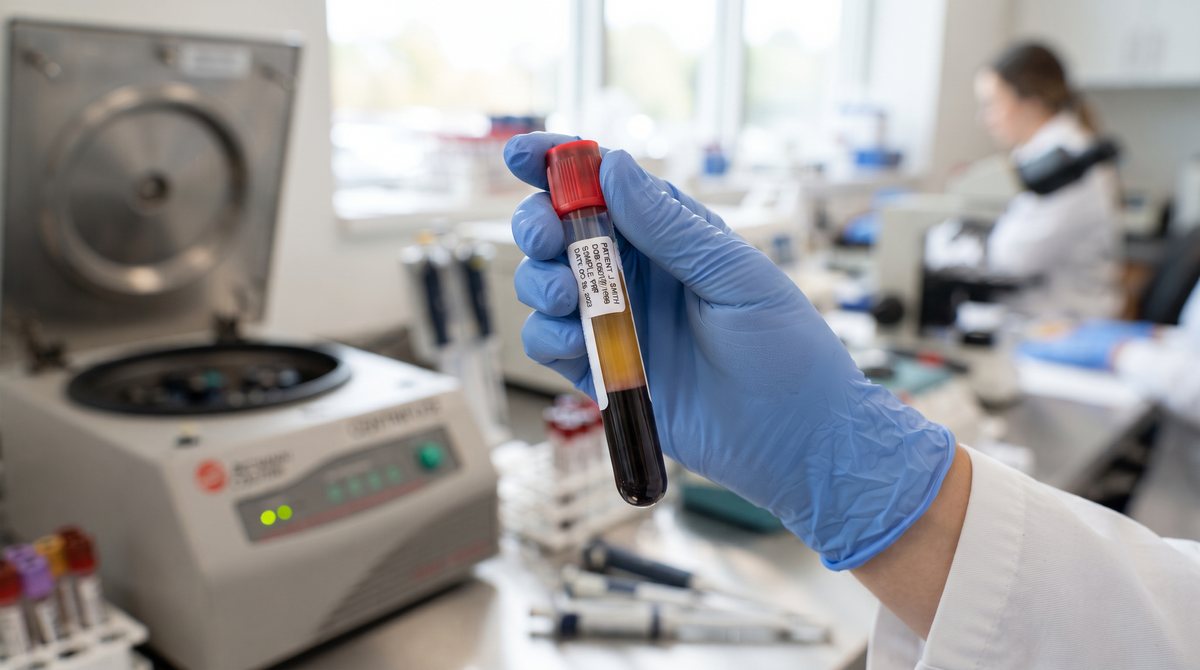
For hand rejuvenation, PRP is commonly applied after microneedling. As a liquid, it can be distributed across the treated skin to enhance healing and improve overall skin quality.
A related treatment, known as PRF (platelet-rich fibrin), is created through additional processing steps. Unlike PRP, PRF forms a gel-like consistency that can be injected into areas that may benefit from added support and volume. Because both PRP and PRF are derived from your own blood, they work with your body’s natural regenerative processes rather than introducing synthetic materials.
Why Skin Quality Matters in the Hands
While volume plays a role in how youthful the hands look, skin quality is just as important. Over time, the skin on the hands becomes:
- Thinner
- Less elastic
- More prone to fine lines
- Uneven in tone and texture
Even with volume restoration, these changes can still be noticeable. Improving the skin itself helps create a more complete and balanced result.
How PRP Improves the Skin
PRP works by delivering a concentrated source of growth factors that support the skin’s natural repair and renewal processes. After microneedling, PRP is typically applied to the treated skin in a liquid form. These growth factors help stimulate collagen production and encourage healthier tissue regeneration over time.
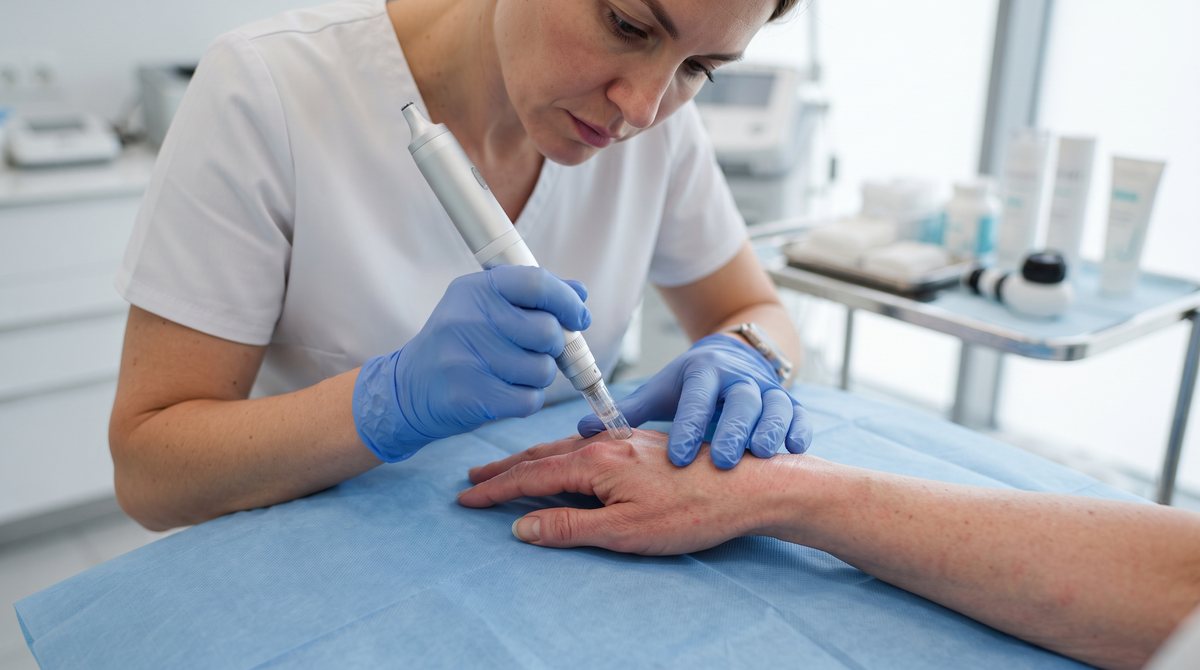
This can lead to:
- Improved skin thickness
- Smoother texture
- More even tone
- A subtle, natural glow
A related treatment known as PRF offers similar regenerative benefits. Through additional processing, PRF develops a gel-like consistency that can be injected into specific areas when additional support is desired. The results of both treatments develop gradually, allowing the skin to improve in a way that looks natural and refreshed.
What Is the Difference Between PRP and PRF?
While both PRP and PRF are derived from your own blood, they serve slightly different purposes.
PRP (Platelet-Rich Plasma)
PRP is a liquid that is commonly applied after microneedling to support skin rejuvenation, improve texture, and encourage collagen production.
PRF (Platelet-Rich Fibrin)
PRF undergoes additional processing to create a gel-like consistency. This allows it to be used as an injectable treatment in areas that may benefit from both regenerative properties and structural support.
In hand rejuvenation, PRP and PRF can be used strategically depending on a patient’s goals, skin quality, and degree of volume loss.
Who Is a Good Candidate for PRP for Hands?
PRP is often a good option for patients who are noticing early-to-moderate changes in their skin. It may be a good fit if you are experiencing:
- Crepey or thinning skin
- Fine lines on the hands
- Dull or uneven texture
- Early signs of aging
It is also commonly used alongside other treatments to enhance overall results.
Combining PRP with Other Treatments
PRP is often most effective when it is part of a broader approach. For example:
- Fat grafting restores volume
- PRP and PRF support skin quality and tissue regeneration
- Light-based treatments improve tone and pigmentation
Together, these treatments help create hands that look smoother, healthier, and more balanced. Patients seeking natural hand rejuvenation in Orange County often benefit from this combination approach.
What Kind of Results Can You Expect?
PRP and PRF are designed to support the skin’s natural regenerative processes, which means improvements develop gradually over time rather than appearing overnight. As collagen production increases and the skin renews itself, patients often notice improvements in texture, tone, and overall skin quality. The hands may appear smoother, healthier, and more refreshed, with a softer and more youthful look.
Because these treatments focus on improving the skin quality, they are often combined with other hand rejuvenation treatments when volume loss is also a concern. The goal is not to change your hands, but to support healthier skin and help restore a more youthful appearance in a natural and balanced way.
A Natural Way to Support Skin Health
Aging affects more than just volume. It also changes the skin’s quality, texture, and resilience. Treatments such as PRP and PRF offer a unique approach by harnessing your body’s own regenerative properties to support healthier-looking skin. Whether used on their own or combined with other hand rejuvenation treatments, they can help improve skin quality in a way that feels natural and balanced.
For patients looking to refresh aging hands without dramatically changing their appearance, regenerative treatments may be a valuable part of a personalized treatment plan. Schedule a consultation with Dr. Tuan Tran in Huntington Beach to find out whether PRP and PRF for hands are right for you, or contact our office with any questions.
Frequently Asked Questions About PRP and PRF for Hands
How many PRP sessions do I need for my hands?
Many patients benefit from a short series of treatments spaced several weeks apart, followed by periodic maintenance. Dr. Tran will recommend a plan based on your skin quality and goals.
Is PRP for the hands painful?
Discomfort is minimal. A numbing cream is typically applied before microneedling, and most patients tolerate the treatment well with little downtime.
Is there any downtime after PRP for hands?
Most patients have mild redness or slight swelling for a day or two, similar to a light sunburn, and return to normal activities quickly.
Is PRP safe?
Yes. PRP and PRF are made from your own blood, so there is no risk of an allergic reaction to a foreign substance.
How long do PRP and PRF hand results last?
Because results build gradually as collagen improves, they can last many months. Maintenance sessions help preserve the improvement over time.
Can PRP be combined with fillers or fat grafting for the hands?
Yes. PRP and PRF improve skin quality, while fat grafting or fillers restore lost volume — combining them creates a more complete, balanced rejuvenation.
When will I see results from PRP on my hands?
Improvements develop gradually over several weeks to months as collagen production increases and the skin renews itself.